Portable Backpacking Camp Stove
Hot coffee at the gorge rim and a real dinner at a dispersed campsite — the stove that makes the difference between camping and just sleeping outside.
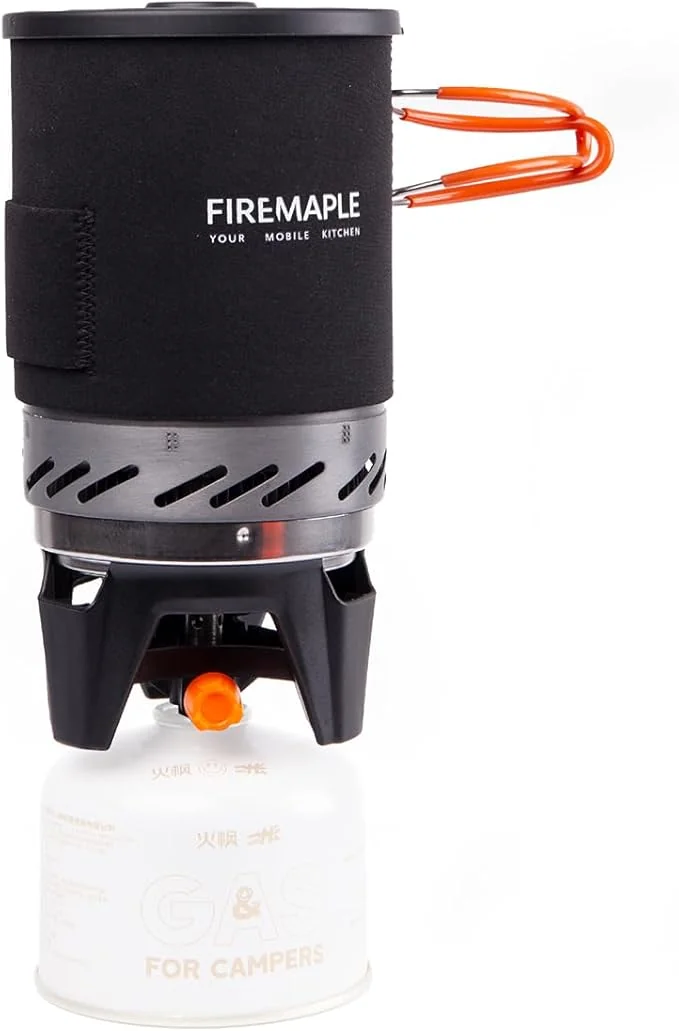
The difference between cold and hot at a campsite
At a dispersed campsite in Chattahoochee National Forest with no hookups, no facilities, and no camp store, the meal quality ceiling is exactly what you carried in. Cold food is fine. Hot food — a hot drink in the morning, a real freeze-dried dinner after a ten-mile hike — changes the experience in a way that's hard to articulate until you've had both. A backpacking stove solves this with remarkable simplicity: it screws onto a standard isobutane fuel canister, lights with a push button, and boils a cup of water in under two minutes. The Jetboil Flash is the all-in-one system that owns this category; the MSR PocketRocket is the ultralight standalone burner.
What we looked at first
Campfire cooking is the traditional alternative — available at most car campgrounds but prohibited at many dispersed and primitive sites due to fire risk, and not practical at dawn when you want coffee before breaking camp. Propane camp stoves (the two-burner Coleman-style) are excellent for car camping but don't apply to any hike-to situation. The Jetboil Flash is the benchmark: integrated pot, push-button ignition, and a 2-minute boil time in a system that stores compactly. The MSR PocketRocket 2 weighs 2.6 oz and requires a separate pot, which gives you more cooking flexibility at the cost of one more item to carry. At 6,500+ reviews across the category, both are well-documented performers.
What you get
- Boils 2 cups of water in 2 minutes — coffee and instant oatmeal before the tent is down
- Push-button piezo ignition — no lighter or matches needed, works in wind
- Screws directly onto standard isobutane canisters — available at REI, Bass Pro, Walmart
- Weighs under 3 oz for the burner — adds negligible weight to a daypack or overnight load
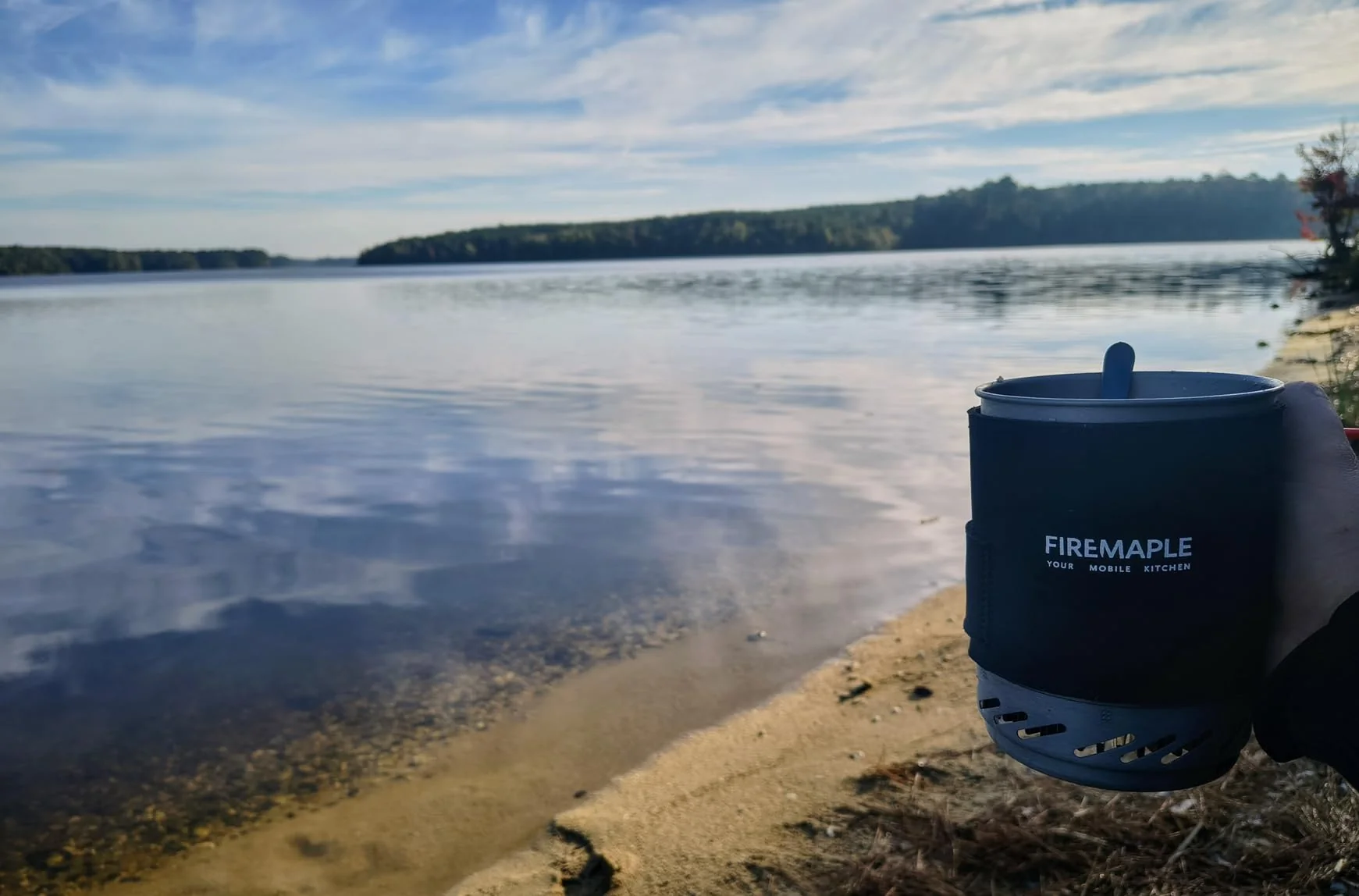
Who this is for
This is for any camper who stays at sites without cooking facilities — dispersed camping in national forests, primitive sites in state parks, backcountry zones. It's for the backpacker approaching the Appalachian Trail from Amicalola Falls who will be eating freeze-dried meals for multiple nights and wants hot meals rather than cold ones. It's for the hiker who camps near a trail and wants to boil water for coffee before the morning hike without waiting for a campfire.
Where to use it on your trip
At dispersed camping sites in Chattahoochee National Forest in northern Georgia, campfires are often restricted during dry season — a backpacking stove is the only option for hot food and makes the restriction irrelevant. On the AT Approach Trail from Amicalola Falls State Park, the first shelter at Frosty Mountain is 8.5 miles in with no facilities — hot water in the evening changes a difficult first night into a comfortable one. At Myakka River State Park's backcountry primitive camping area in Florida, the sites are remote enough that the stove becomes the center of the camp kitchen for a two-night stay.
Who should skip it
Car campers at sites with fire rings where campfire cooking is allowed and preferred — the campfire experience is better, the stove isn't needed. Campers at RV parks or full-service campgrounds with cooking facilities. Day hikers who return to a hotel or home each evening — there's no campsite meal to prepare.
Our take
Buy this for any overnight at a primitive or dispersed site where cooking facilities aren't available — it weighs almost nothing and changes the overnight experience fundamentally. Skip it if your camping is exclusively at car campgrounds with fire rings or full-service facilities.
We may earn a commission if you purchase through our link, at no extra cost to you.