Hammock Tree Straps (1-Inch Flat Webbing)
The part everyone forgets to buy — and the reason you're not allowed to hang a hammock in most national parks without them.
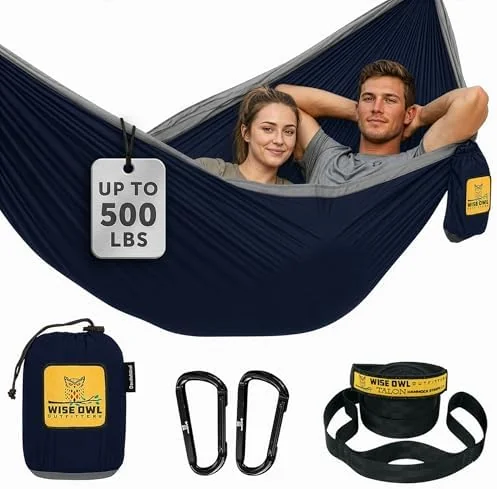
The thing your hammock didn't come with
Most hammocks — including the ENO DoubleNest, the most popular camping hammock on the market — come with carabiners and instructions that tell you to wrap rope, cord, or the included hardware directly around a tree. This is how you strip bark from a mature oak in one afternoon and permanently damage the cambium layer that keeps the tree alive. National parks including Great Smoky Mountains explicitly prohibit cord or rope around trees for this reason. The solution is flat 1-inch webbing straps that distribute weight across 2–4 inches of bark contact instead of a thin line. This is not optional — it's the difference between a responsible hang and a citation from a ranger.
What we looked at first
Paracord is the most common DIY solution — strong, cheap, and completely wrong. The narrow diameter cuts into bark like a wire under load. We looked at the ENO Atlas Straps (the official companion product to the DoubleNest): excellent quality at $30, and the natural pairing if you own an ENO. We looked at Kammock Python straps — wider, longer, premium materials — at $60 for a set. For most users camping at state parks and established campgrounds, the AnorTrek and similar flat-webbing alternatives at $15–$20 deliver the same bark protection, the same 400 lb rating, and the same compliance with park rules at a quarter of the Kammock price.
What you get
- 1-inch flat webbing — distributes load across bark surface, no cutting or scarring
- 20-foot total length per set — reaches trees spaced 12–15 feet apart, covers most campsite configurations
- Loop design with multiple attachment points — adjust distance without re-threading
- Works with any hammock that uses carabiners — ENO, Kammock, budget brands, homemade

Who this is for
This is for anyone who owns or plans to buy a camping hammock and intends to use it at a national park, state park, or any protected land. It's for the person who bought an ENO DoubleNest and realized the included setup instructions aren't park-compliant. It's for the camper at Amicalola Falls or the Smokies who wants to actually use the hammock they brought without getting flagged by a ranger.
Where to use it on your trip
At Great Smoky Mountains National Park, the developed campgrounds at Elkmont, Cades Cove, and Cosby are all in second-growth hardwood forest — mature trees that took 80+ years to grow, with bark worth protecting. Rangers actively check for cord-around-tree setups and will ask you to take it down. At Amicalola Falls State Park in Georgia, the wooded campsites sit in mixed hardwood where the old-growth trees closest to the fire ring are the most hammock-friendly — and the most worth protecting. At Fall Creek Falls State Park in Tennessee, the campground trees are in a protected state park zone where Leave No Trace compliance is an active expectation.
Who should skip it
Anyone who already owns proper 1-inch flat webbing straps — you're covered. Hammockers who exclusively use their own property or private land where tree damage is their own concern. Skip the cheap option if you're investing in a Kammock or Warbonnet hammock — at that price point, spend the extra $40 on proper Kammock Python straps that match the build quality.
Our take
Buy these before you buy the hammock — they're a $15 addition that makes your setup park-legal and tree-safe everywhere you'll actually use it. Skip them only if you already own flat webbing straps from a previous hammock purchase.
We may earn a commission if you purchase through our link, at no extra cost to you.