CamelBak Hydration Pack 3L
Holding a water bottle while negotiating a switchback, a suspension bridge, or a steep root-covered descent is one hand you need for something else.
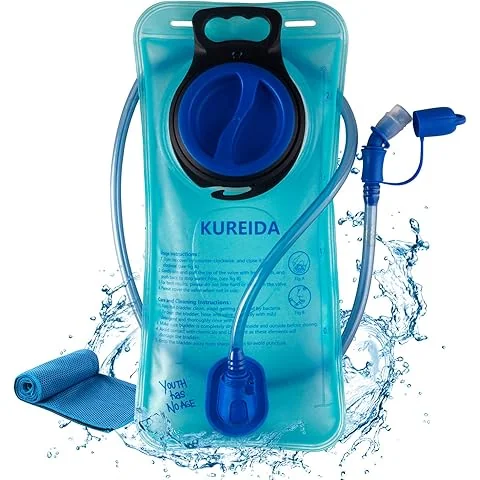
Why hands-free water matters on the technical sections
Most Georgia and Tennessee mountain trails have a problem that doesn't appear in trail guide photos: the difficult sections — the creek crossings, the suspension bridges, the switchback descents on loose scree — are exactly the sections where you can't stop to retrieve a water bottle from your hip. The Tallulah Gorge gorge floor trail puts you on an aluminum suspension bridge over a 500-foot gorge. The slot canyon sections of Cloudland Canyon require both hands on the fixed chains for descent. Chimney Tops in the Smoky Mountains has exposed root networks where a hand on the trail is the only safe way down in wet conditions. In all of these places, a hydration pack lets you drink while moving — which is when you're actually working and burning the most water — rather than at the convenient moments when the terrain goes flat.
What we looked at first
We looked at hand-carried water bottles and the limitation is the one hand it occupies — fine on a groomed flat trail, genuinely problematic on technical terrain where a misstep with one hand in use creates a safety issue. We looked at bottle-pocket daypacks (the Osprey Talon style) and they work well, but retrieving a bottle from a hip belt or side pocket while moving still requires stopping or leaning — the hydration tube is genuinely more convenient on sustained uphill sections. We looked at smaller 1.5L reservoirs and found that on a Georgia summer trail day with 1,500 feet of elevation gain, 1.5L is marginal for adults — the 2L to 3L range covers a full six to eight mile trail day without refilling.
What you get
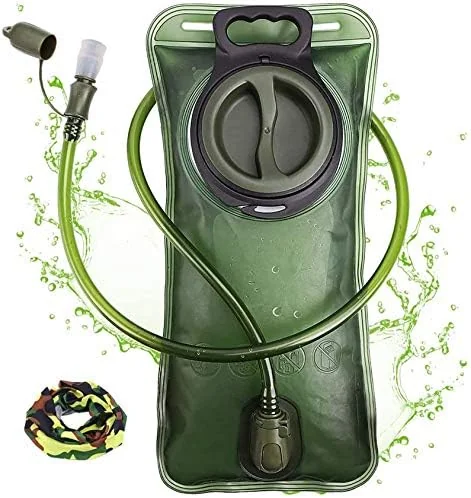
- 3L reservoir delivers 101 ounces — enough for a full six to eight mile trail day without refilling from natural sources
- Crux reservoir valve delivers 20% more water per sip than standard bite valves — less sucking effort on steep climbs
- Magnetic tube clip keeps the bite valve on the shoulder strap and accessible without looking down
- Wide mouth reservoir opening makes filling at trailhead water stations and cleaning at home practical rather than frustrating
Who this is for
This is for the day hiker doing trails of six miles or more, especially on Georgia and Tennessee mountain terrain where the technical sections make stopping to retrieve a bottle inconvenient or unsafe. It's for any trail day in summer heat above 80 degrees where hydration rate is actively critical — not just comfortable. It's not for the casual two-mile interpretive walk; it's for the hiker who starts at dawn and is still on the trail at 2 PM.
Where to use it on your trip
On Tallulah Gorge's gorge floor trail in Georgia, the permit section includes a suspension bridge crossing where both hands are on the cables — the hydration tube lets you drink through the crossing rather than waiting for a safe flat section that may not come for another quarter mile. On the Alum Cave Trail in Great Smoky Mountains National Park in Tennessee, the trail climbs 2,763 feet over five miles with sustained switchbacks — continuous hydration via the tube is meaningfully more comfortable than the stop-and-retrieve pattern. At Cloudland Canyon State Park in Georgia, the slot canyon descent uses fixed metal chains for safety — this is exactly the terrain where both hands need to be on the rock rather than on a water bottle.
Who should skip it
If your hiking is limited to short trails under four miles with minimal elevation gain, a standard 32oz water bottle is sufficient and a hydration pack is unnecessary bulk. Skip it for day trips where you'll be returning to the trailhead for lunch — the water access problem only presents itself on sustained multi-hour trail sections without a convenient turnaround.
Our take
Buy this for any six-plus mile day hike in Georgia or Tennessee between April and October — the combination of summer heat and technical terrain makes hands-free hydration a practical advantage rather than a preference. The CamelBak Crux reservoir system is the standard for a reason: reliable valve, wide mouth cleaning, durable bladder material. Skip it for short nature walks where a water bottle in your hand is genuinely sufficient.
We may earn a commission if you purchase through our link, at no extra cost to you.