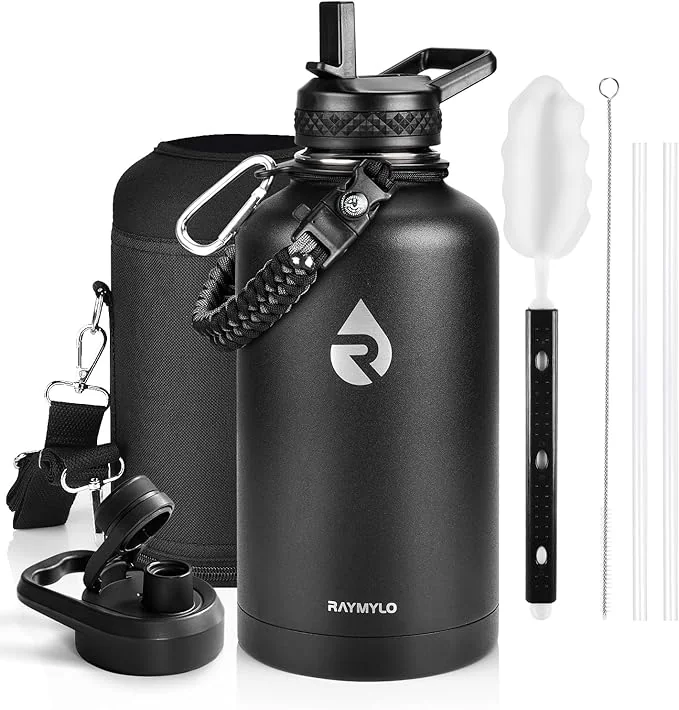
Hydro Flask 32oz Insulated Water Bottle
Ice-cold water eight hours into a Florida summer hike is not a small thing. It's the difference between a good day and a cut-short one.
What warm water does to a trail day
In Florida in July, the outside temperature hits 95 degrees by 10 AM and stays there. On Georgia's exposed ridge trails, the sun loads straight down with no canopy break for miles. Hydration matters on any hike — but what temperature your water is at mile eight matters more than most people realize. Warm water in a plastic bottle isn't just unpleasant; it's something you drink less of because your body resists it, which compounds dehydration exactly when you need to be drinking more. A 32oz insulated bottle with ice water that stays cold for most of the day isn't a luxury — it's a practical solution to a problem that ruins trail days.
What we looked at first
We looked at Nalgene and ruled it out for hot-weather hiking — it's durable and lightweight, but water reaches ambient temperature in under 30 minutes in direct Florida sun, which means you're drinking warm water by the trailhead parking lot. We looked at the Stanley Quencher (40oz tumbler) and found that while it's excellent for car and desk use, its wide base and straw-lid design are genuinely awkward on a trail — it doesn't fit most bottle cages, the straw collects grit, and reviewers consistently flag it as a poor fit for active outdoor use. We looked at generic Amazon stainless bottles under $20 and found a recurring pattern in one-star reviews: the vacuum seal breaks within three to six months, after which the bottle has no insulation at all.
What you get
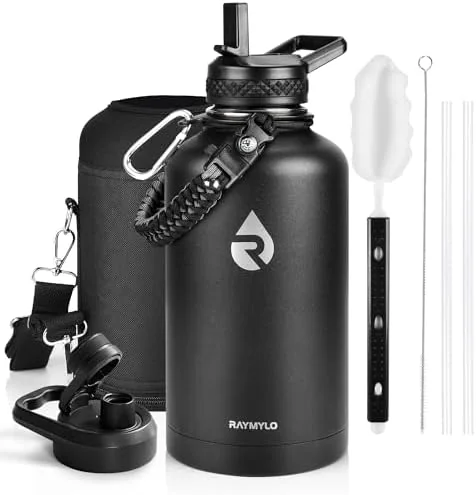
- TempShield double-wall vacuum insulation — ice water stays cold for 24 hours, not 2
- 18/8 pro-grade stainless steel — no plastic taste, no off-gassing in the sun, dishwasher safe
- 32oz capacity holds enough for a 5–6 mile trail without requiring a refill mid-hike
- Wide mouth accommodates ice cubes and fits standard water filters (Sawyer, LifeStraw) for backcountry use
Who this is for
This is for anyone hiking in Florida, Georgia, or Tennessee between April and October — which is most of the active travel season in the Southeast. It's for the hiker who starts a trail at 8 AM and is still on it at noon, who needs water that stays cold through the hottest part of the day. It also works perfectly for road trips: keep it filled with ice water in the passenger seat and it'll still be cold when you arrive at your next stop twelve hours later.
Where to use it on your trip
At Ichetucknee Springs State Park in Florida, the tubing run is two to three hours in full sun on open water — you'll be grateful for cold water on the shuttle back in July heat. On Tallulah Gorge's gorge floor trail in Georgia, there are no water sources once you descend into the canyon and the exposed granite walls radiate heat — the 32oz size is exactly right for a two-hour gorge floor permit. At Clingmans Dome in the Great Smoky Mountains, the paved half-mile climb to the summit is entirely exposed at 6,643 feet elevation — deceptively demanding despite its short length, especially for kids.
Who should skip it
If you're doing short car-to-attraction day trips in cities (Savannah, Nashville, Atlanta) where you can stop for a drink every few blocks, you don't need a hiking water bottle — any reusable bottle works. Skip it also if you already own a quality insulated bottle in good shape. Don't upgrade for the brand name alone; upgrade when your current bottle stops keeping things cold.
Our take
Buy this if you're hiking anything in the Southeast from April through October — it's one of the few pieces of gear where the premium over a budget option is directly felt every time you use it. Skip it if your travel is primarily urban or if you already have a working insulated bottle in your pack.
We may earn a commission if you purchase through our link, at no extra cost to you.