Marmot PreCip Eco Packable Rain Jacket
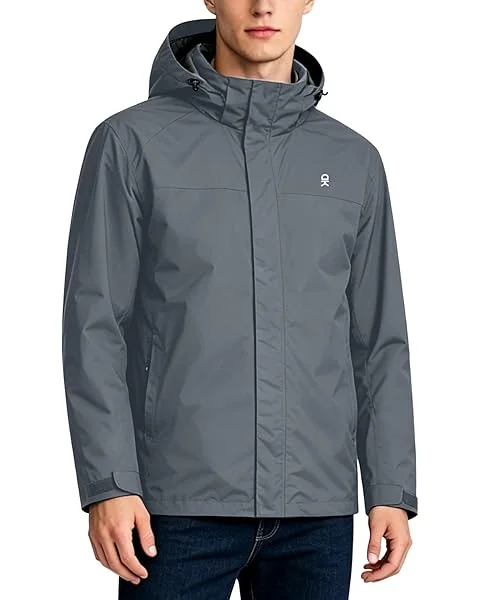
Southern mountain weather does not send a schedule. This jacket stuffs into its own pocket and lives in your daypack until the afternoon sky turns the wrong color.
The weather you didn't check
Afternoon thunderstorms in the Southern Appalachians are nearly a daily event from May through September. Trails that start sunny at 8 AM are often soaking wet by 2 PM. This isn't a fringe event — it's the pattern. The hikers who know this bring a packable shell. The hikers who don't know this either get drenched and cold, or they bail and miss the second half of the trail. The Marmot PreCip Eco is the jacket that sits in the top of your daypack all season and earns its place on the three or four occasions per trip that you actually need it.
What we looked at first
We looked at the Columbia Watertight II and ruled it out — it's a decent jacket but lacks fully taped seams, which means water eventually finds the needle holes at the shoulders and elbows in a sustained downpour. We looked at cheap Amazon ponchos under $15 and the problem is obvious in the reviews: they're not packable in any real sense, they catch wind like a sail on exposed ridgelines, and they don't protect your arms in a serious rainstorm. We also looked at the Marmot Minimalist (heavier, Gore-Tex, $200+) and while it's a better technical jacket for alpine conditions, it's overkill for a Georgia or Tennessee trail where you need weather protection for thirty minutes at a time, not two days of sustained rain.
What you get
- Fully seam-taped NanoPro waterproof-breathable shell — no water entry at stitching under sustained rain
- Packs into its own chest pocket to roughly the size of a water bottle — stores flat in a daypack lid
- DWR (Durable Water Repellent) finish causes rain to bead and run off rather than saturate the fabric
- Pit-zip vents and a breathable membrane so you don't overheat when the rain stops and the sun comes back
Who this is for
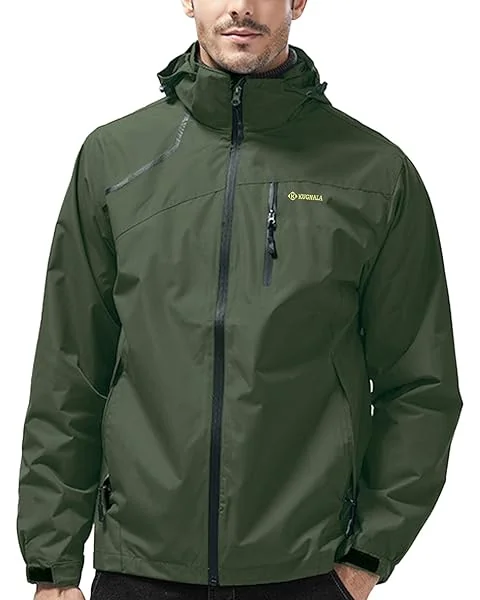
This is for anyone hiking Georgia or Tennessee mountains between March and October, and for road trippers who plan at least one trail day per state. It's for the traveler who doesn't want to sacrifice a full day to weather and needs a jacket that lives in the bottom of a bag and comes out when needed. It's not a winter shell and it's not a ski jacket — it's a three-season hiking layer for people who move fast and pack light.
Where to use it on your trip
At Great Smoky Mountains National Park in Tennessee, cloud cover builds fast in the afternoons and the temperature can drop 15 degrees on the Alum Cave Trail by 2 PM — this jacket is the right call from the parking lot. On Tallulah Gorge's gorge floor trail in Georgia, the creek mist and periodic afternoon storms make a shell practical even on clear-sky mornings. At Fall Creek Falls State Park in Tennessee, the trail sections closest to the falls base stay wet year-round from spray — a waterproof layer here is less about rain and more about staying dry in a permanently wet microclimate.
Who should skip it
If your trip is primarily Florida beaches or Gulf Coast destinations, you don't need a rain shell — a quick thunderstorm means you step under an awning for twenty minutes, not that you need technical waterproofing. Skip it also if you're planning a serious mountaineering or multi-day alpine trip where you need Gore-Tex and full waterproof integrity in driving horizontal rain — this jacket is for trail hikers, not summit climbers.
Our take
Buy this if you're hiking Southern mountains in spring, summer, or fall — it's the most useful pound in your daypack and the one you'll be grateful for exactly when you need it. Skip it if your entire trip is beach, city, or desert where the rain risk is low and the temperature is warm enough that getting wet is a non-issue.
We may earn a commission if you purchase through our link, at no extra cost to you.