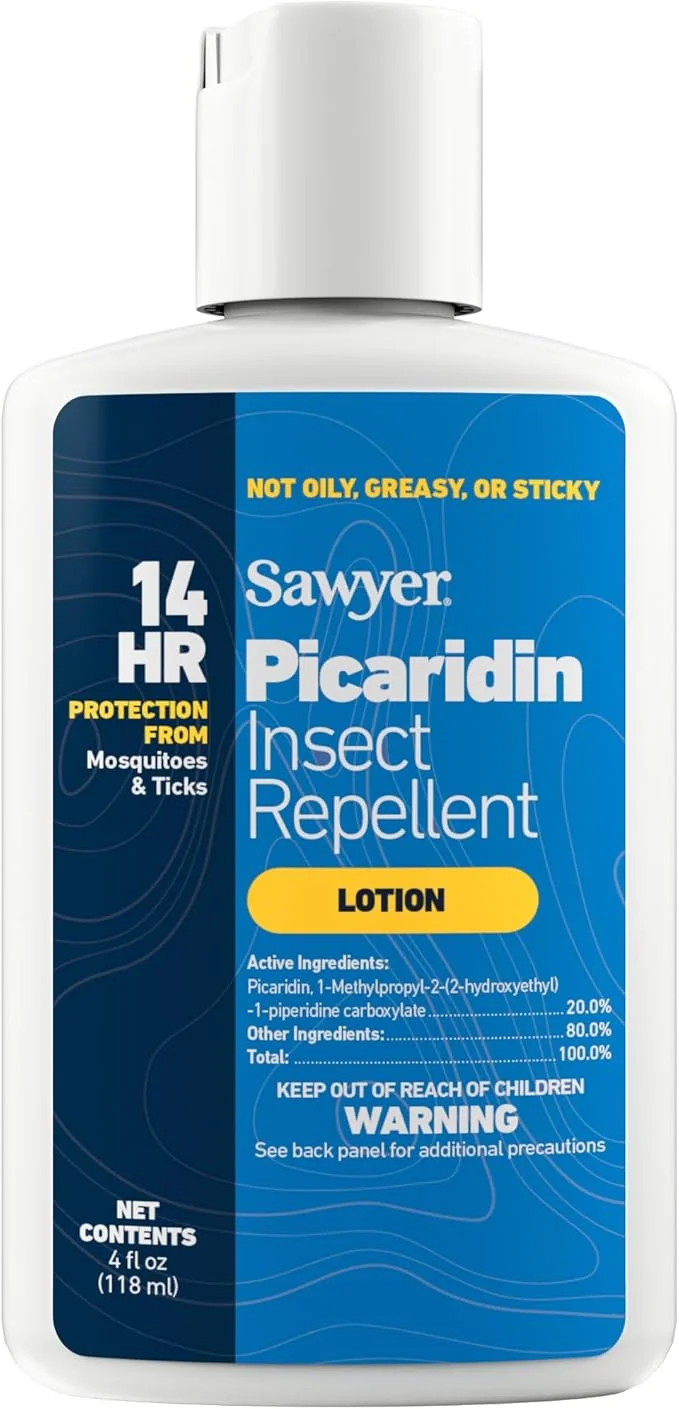
Sawyer Products Premium Insect Repellent (Picaridin)
Georgia marshes, Florida springs, and Smoky Mountain hollows share one feature: aggressive biting insects. Picaridin repels them without the chemical feel of DEET.
The problem with Southern outdoor plans
Georgia's coastal marshes, the river bottoms of the Smoky Mountains, and every Florida spring run from April through October have the same problem: mosquitoes and no-see-ums in numbers that make unprotected hiking genuinely miserable. The Okefenokee Swamp area of South Georgia — black water, standing vegetation, minimal wind — is one of the most aggressive mosquito environments in the country during warm months. Florida's spring systems are beautiful from the water and brutal from the bank at dusk. You cannot repel your way out of these environments with a vague 'bug spray' — you need something with real active ingredient percentage and a formula that stays effective through sweat. Picaridin is the answer most outdoor professionals have moved to.
What we looked at first
We looked at DEET-based sprays (Off! Deep Woods, Repel 100) and they work — 30–40% DEET provides full-spectrum protection. The problem is feel and compatibility: DEET dissolves synthetic fabrics and plastics, so your watch band, sunglasses, and hydration pack tubing all take damage over repeated application. It also has a strong chemical smell and a greasy skin residue that many users find intolerable on a 6-hour trail day. We looked at natural alternatives (citronella, lemon eucalyptus oil) and found them inadequate against the mosquito densities in Georgia and Florida wetland environments — they require reapplication every 20–30 minutes and still allow breakthrough bites. Picaridin (20% concentration) hits the same efficacy benchmark as 30% DEET in clinical testing with none of the material damage, better skin feel, and no odor.
What you get
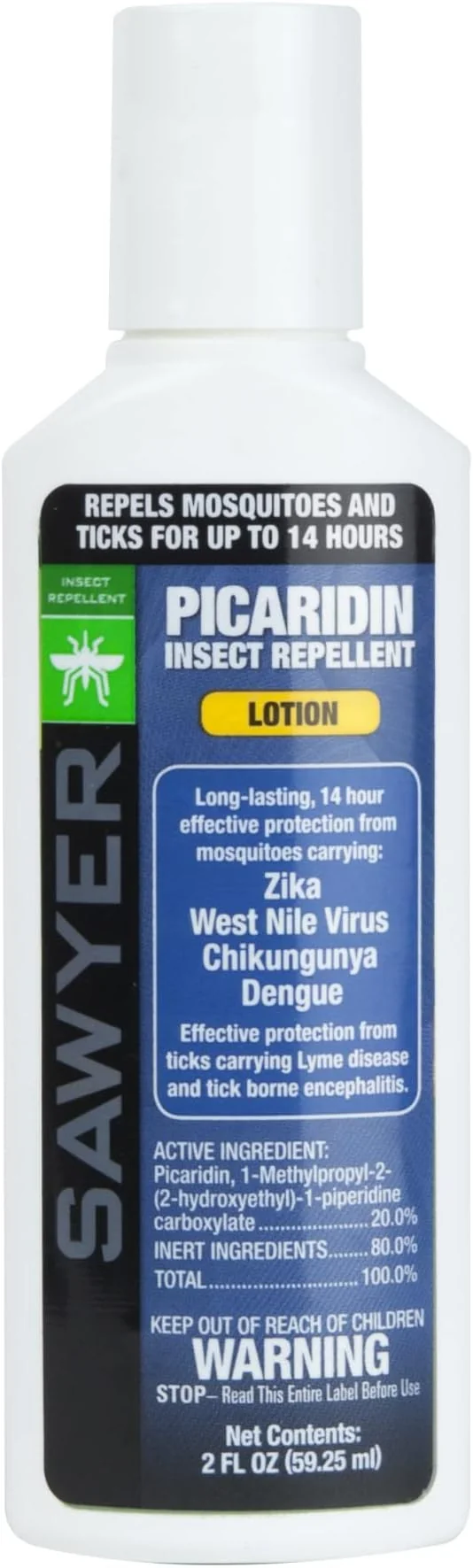
- 20% picaridin concentration — the CDC-recommended level for full protection against mosquitoes, ticks, gnats, and no-see-ums in high-exposure environments
- Does not damage synthetic fabrics, plastics, or gear — safe to apply directly without contaminating hydration pack tubing, watch bands, or sunglasses frames
- Odorless formula — no chemical smell in the field; won't affect wildlife observation or interact with sunscreen applied at the same time
- Lotion and spray formats available — lotion stays on through sweat better; spray covers clothing easily for full-body application
Who this is for
This is for anyone hiking or paddling in the southeastern US from April through October — specifically anyone in wetland, river bottom, or forested hollow environments where insect pressure is high. Florida spring paddlers, Georgia mountain hikers doing creek-side trails, Tennessee backcountry campers near Smoky Mountain hollows, and anyone visiting the Okefenokee area of South Georgia will find the protection level necessary. It's also for travelers who have had skin reactions to DEET or dislike the feel of oil-based repellents.
Where to use it on your trip
Ichetucknee Springs State Park in Florida — the springs are pristine, but the riverbanks at dusk are heavy with mosquitoes; everyone kayaking or tubing the Ichetucknee River should apply before getting in the water. Cloudland Canyon State Park in Georgia — the canyon bottom trails near the creek involve dense tree cover and still air where insect pressure builds significantly in warm months. Great Smoky Mountains National Park in Tennessee — trail hollows at lower elevations (under 4,000 feet) host heavy mosquito activity from May through August; any backcountry camping permit area in the lower park requires protection.
Who should skip it
Hikers sticking to high-elevation ridge trails above 5,000 feet (where insect pressure is minimal), or anyone traveling the Southwest where dry heat keeps insect populations low, won't need a dedicated repellent. Cold-weather travelers — fall and winter visits to the mountains — can leave this at home.
Our take
Buy this for any spring through fall outdoor trip in the southeastern US, especially anything involving wetlands, river access, or low-elevation forested trails. The picaridin formula is now the default recommendation from most outdoor professionals and park rangers for exactly this use case — it protects at the level DEET does without the gear damage or skin feel that makes DEET unpleasant on a long day out. Skip it for high-altitude or cold-weather trips where insects are not a factor.
We may earn a commission if you purchase through our link, at no extra cost to you.