Goodr Polarized Sunglasses
No-slip, no-bounce polarized sunglasses for $25 — the pair that actually stays on your face during a trail run or a boat ride.
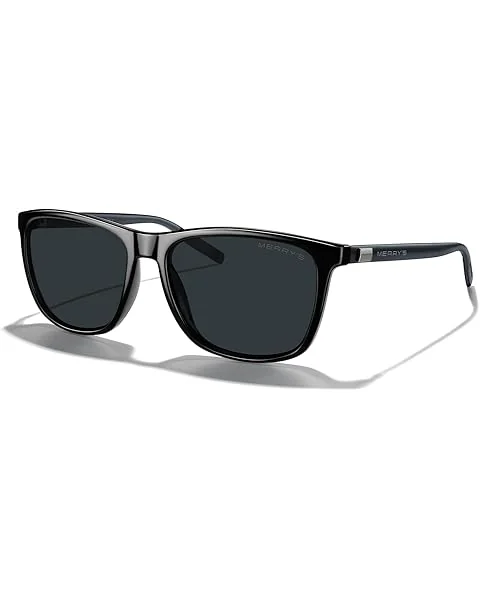
The sunglasses problem active travelers have
Cheap sunglasses slide down your nose on a hike. They bounce on a boat. The lenses aren't polarized, so you can't see into the water at a Florida spring. Expensive sunglasses are fine until you set them on a kayak seat at Ichetucknee Springs and they're somewhere downstream thirty seconds later. The category most travelers miss is the middle: sunglasses that are actually polarized (not just tinted), that have no-slip temples designed for movement, that cost under $30, and that come in colors bold enough to be worth photographing. Goodr built exactly that product for trail runners and ended up with one of the highest-review sunglasses categories on Amazon.
What we looked at first
Costa Del Mar is the coastal fishing benchmark — polarized glass lenses, excellent optics, $150–$250. The right choice if you're on a boat every weekend and want lenses that last fifteen years. Maui Jim occupies the same premium tier with outstanding anti-glare performance. We looked at generic $15 Amazon polarized sunglasses with no brand and found the consistent complaint is that polarization is uneven — the lenses are technically polarized but the anti-glare effect is noticeable only in the center. Goodr's polarized coating is even, their co-injected rubber temples grip without sliding, and 21,000+ reviews confirm they stay in place during trail runs, boat rides, and beach days.
What you get
- Polarized lenses — cuts glare on water and road surfaces that standard tinted lenses don't touch
- No-slip co-injected rubber temples — stays on during hiking, running, and water activities
- No-bounce fit — designed for running, which means they handle hiking and boating without the frame moving
- 20+ colorways — bold, visually distinct colors that photograph well against outdoor backgrounds
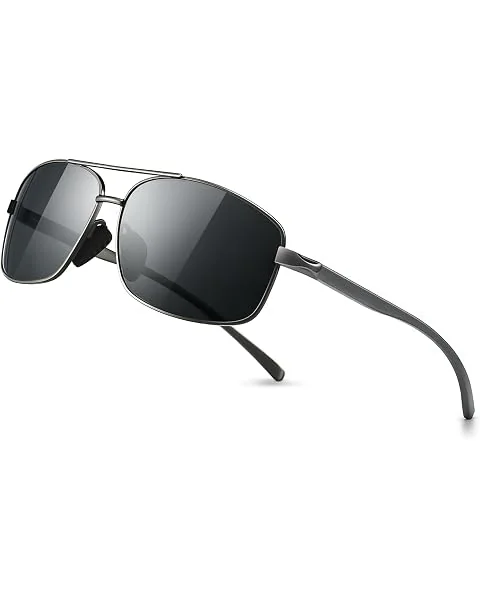
Who this is for
This is for the active traveler who needs sunglasses that work through a full day of mixed activity — a morning hike, an afternoon kayak, an evening walk through a beach town. It's for anyone who has lost or scratched expensive sunglasses on a trip and wants a replacement that's good enough to use seriously but priced so that losing them isn't a disaster. It's for the road tripper driving south through Georgia and Florida where highway glare is a real visibility issue and polarized lenses make a functional difference.
Where to use it on your trip
On the drive down I-75 through Florida, sun glare off the highway surface from 10am to 2pm is intense enough that polarized lenses shift from nice-to-have to functional necessity — non-polarized tints block brightness but not the reflective glare that causes eye strain on long drives. At Myakka River State Park in Florida, polarized lenses let you see into the shallow water along the lake edge where alligators rest near the surface — tinted lenses at the same shade level do not. At Cumberland Island National Seashore in Georgia, beach and ocean glare during a full-day island visit is the exact use case polarized lenses are engineered for.
Who should skip it
Serious anglers, kayak fishermen, or boaters who spend hours on the water and need optical-grade glass lenses — the Costa or Maui Jim investment is justified at that usage level. Fashion-forward travelers who want a specific designer frame style — Goodr's shapes are athletic and limited. If you already own quality polarized sunglasses that fit well, this isn't an upgrade.
Our take
Buy these for any trip mixing hiking, water activities, and driving in Southern states — polarized lenses make a real difference in all three contexts, and $25 is the price point where replacing a lost pair doesn't sting. Skip them if you need optical-quality glass lenses for serious on-water time.
We may earn a commission if you purchase through our link, at no extra cost to you.