Anker PowerCore 20000mAh Portable Charger
A phone navigation app on a 300-mile drive through dead zones pulls your battery down to zero by early afternoon. A 20,000mAh power bank doesn't.
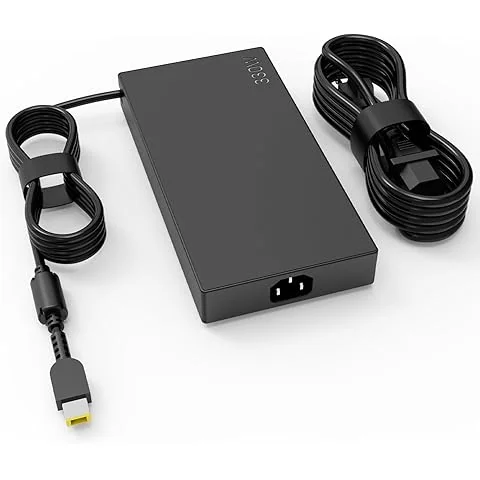
The battery problem no one prepares for
Road trip navigation runs GPS, screen-on, full brightness, cellular data, and sometimes Bluetooth simultaneously — which is approximately the fastest way to drain a phone. On a 300-mile driving day, a car charger barely keeps pace with active navigation drain on most phones. Add a passenger who needs their phone charged, a stretch of road where you need to check AllTrails or the next campsite reservation, and a stop at a coffee shop where there's no outlet — and you arrive at the evening campsite or motel with dead phones and no way to check your next morning's reservation. A 20,000mAh power bank is not a backup plan. It's the primary charging strategy for anyone spending serious time in a car or on trails.
What we looked at first
We looked at 10,000mAh banks and they're fine for a single day — but on a multi-day road trip they're not enough capacity to cover two phones overnight and still have reserve for the next day's navigation. Travelers consistently report running out of charge on day two. We looked at solar chargers and the math doesn't work for active road trip use: a quality solar panel delivers 1–2 watts in optimal sun, which charges a phone in six to eight hours — impractical when you need a charge in the hour between a trailhead and dinner. We looked at the Anker 737 (140W GaN charger) — faster than the PowerCore for wall charging but it requires an outlet, which defeats the purpose of portable charging during a drive.
What you get
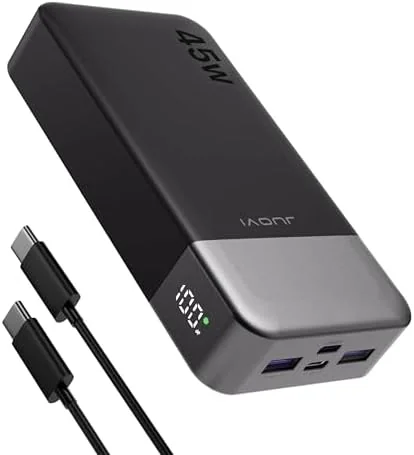
- 20,000mAh capacity — five full iPhone charges or three full Android charges from a single bank charge
- Dual USB-A ports plus USB-C — charges two devices simultaneously without splitting capacity
- MultiProtect safety suite — surge protection, temperature control, short circuit protection built in
- Airline-safe capacity (under 100Wh) — flies in carry-on without issues, no special declaration needed
Who this is for
This is for anyone doing a multi-day road trip of three or more days, particularly through rural states where outlet access at stops is unreliable. It's for couples sharing one bank who need enough capacity to cover two phones through the night. It's for hikers who use their phone for navigation on trails and can't afford to arrive at the trailhead already at 40% battery. It's also for anyone staying at campgrounds without electrical hookups — a full PowerCore charges your phone, headlamp, and Bluetooth speaker across a full camp night.
Where to use it on your trip
On the Blue Ridge Parkway in North Carolina and Virginia, there are 469 miles of road with no cell service for long stretches and no outlets anywhere on the road itself — downloaded offline maps and a full power bank are the correct preparation. In the Great Smoky Mountains, the most popular trails (Alum Cave, Chimney Tops, Laurel Falls) have zero cell service throughout, and the parking areas are often miles from the nearest outlet — arrive with a full bank. On any Georgia coastal island drive to Cumberland Island or Jekyll Island, the ferry crossing and island time can consume most of a day away from the car charger — the PowerCore covers this gap cleanly.
Who should skip it
If you're doing a primarily urban trip — Nashville, Atlanta, Savannah — with hotel stays every night and restaurants with outlet access, your phone's charging needs are covered by the hotel room and the car charger between stops. Skip it if you're flying to one destination and spending the trip there without driving distances — daily urban travel drains phones less than GPS navigation does.
Our take
Buy this if you're driving more than 200 miles per day or camping more than one night without electrical hookups — the 20,000mAh capacity is the right size for two phones plus accessories across a multi-day trip. Anker has over 100 million devices sold and the PowerCore line specifically is the standard recommendation across every travel community for a reason. Skip it for short urban trips where your hotel charger solves the problem overnight.
We may earn a commission if you purchase through our link, at no extra cost to you.