Rechargeable LED Headlamp 400 Lumen
A cave tour in total darkness or a gorge floor trail after sunset requires more than a phone flashlight. A headlamp leaves both hands free for the parts that actually need them.
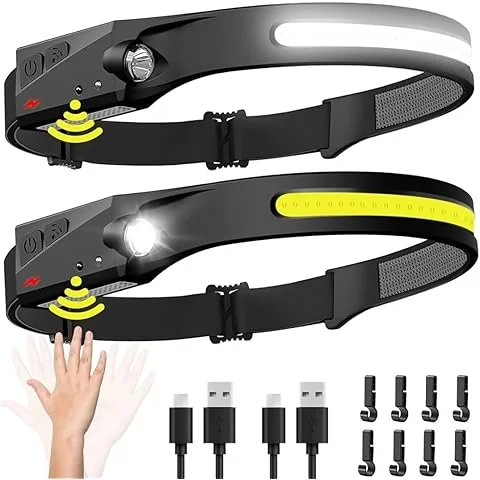
The lights-out problem
There are specific travel situations where a phone flashlight — awkward, one-handed, battery-draining — is the wrong tool. The cave tour where you're walking a wet wooden boardwalk seventy feet underground in complete darkness. The gorge floor trail that runs longer than expected and you're navigating back up the switchbacks after sunset. The campsite setup where you need both hands to stake the tent fly while it's dark and the rain is starting. In each of these situations, hands-free light is not a preference — it's the correct solution. A headlamp that lives in the bottom of your daypack for most of the trip earns its weight on the three or four hours per trip that require it.
What we looked at first
We looked at AA battery headlamps and the problem isn't the design — it's the batteries. A set of AA batteries in a headlamp that's been sitting in a bag for two months may or may not have enough charge when you actually need them. On the gorge floor at Tallulah in September or in a cave at 200 feet depth, 'may or may not' is not acceptable. Rechargeable solves this: you top it off from the same USB-C cable as your phone the night before any high-stakes use. We looked at clip-on flashlights and the fundamental problem is that they require one hand — which is exactly the hand you need for the trail, the ladder, the cave guide's rope, or the tent pole. We looked at cheap 100-lumen headlamps under $15 and found reviewers consistently report that the brightness is inadequate for actual cave darkness, where there is no ambient light to supplement.
What you get
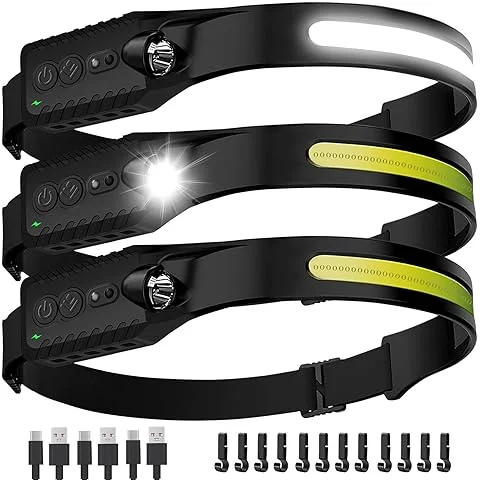
- 400 lumens on high — sufficient for cave darkness, gorge exits, and trail navigation at speed
- USB-C rechargeable via the same cable as most phones — no battery management, no AA spares to carry
- Red night-vision mode — preserves your dark adaptation at camp and doesn't blind tent neighbors
- IPX8 waterproof rating — works in rain, cave drip zones, and the wet sections of gorge floor trails
Who this is for
This is for any traveler planning a cave tour, a dusk or dawn hike, or a campsite with no electric hookups. It's for the hiker who books a gorge floor permit at Tallulah and isn't sure exactly when they'll surface. It's for the family visiting an underground attraction in Tennessee where the guide will tell you to turn off your phones at one point and the experience is entirely headlamp-dependent. It's not for daylight-only hikers on short trails with guaranteed turnaround times well before sunset.
Where to use it on your trip
At the Lost Sea Adventure in Sweetwater, Tennessee — the largest underground lake in the United States — the cave tour takes you through passages where the guide demonstrates total darkness by having everyone shut off their lights. The cave sections are wet and the wooden boardwalks require watching your footing throughout. At Ruby Falls in Chattanooga, Tennessee, the waterfall cavern is 1,120 feet underground with low ambient light throughout most of the tour — a headlamp supplements the guided lighting meaningfully. On Tallulah Gorge's gorge floor trail in Georgia, the permit is a timed entry and exits sometimes extend past sunset depending on pace — hiking the switchback descent in the dark without hands-free light is a genuine safety issue.
Who should skip it
If your entire trip is daytime hiking with early turnaround times and no cave tours, a headlamp isn't necessary — the probability of needing it is low enough that it's dead weight. Skip it for strictly urban trips where the only darkness you'll encounter is a well-lit street.
Our take
Buy this if you're visiting a cave attraction, planning any gorge floor or canyon trail, or camping at a site without electrical hookups — the three situations where it goes from optional to essential happen quickly on a Southern road trip. The rechargeable design removes the worst failure mode of standard headlamps. Skip it for strictly daytime, urban, or beach-only trips where you'll never need hands-free light.
We may earn a commission if you purchase through our link, at no extra cost to you.