KEEN Water Sandals for River and Trail
Florida spring water is 68 degrees year-round and the rocks are slick. The right sandal grips wet granite and drains in seconds. Flip flops don't.
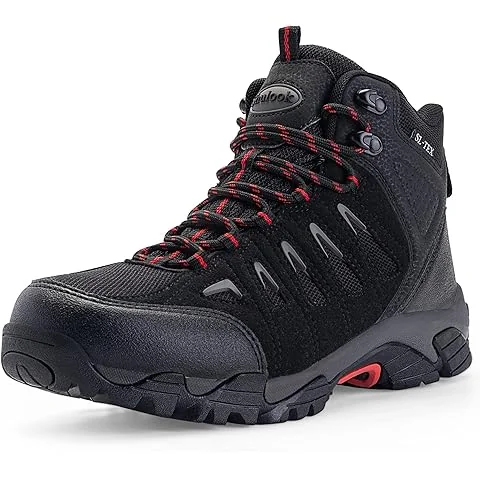
What the wrong footwear costs you at a Florida spring
Florida's spring-fed rivers run over limestone and algae-covered rock at a constant 68 to 72 degrees. The water is clear and the bottom is varied — sometimes sandy, sometimes slick limestone slab, sometimes submerged root networks. Flip flops are a liability in this environment: they float off in current, they provide no grip on wet rock, and they can't handle the rocky approach trails that lead to most spring access points. Trail runners are the other common mistake — they drain slowly, become heavy when wet, and take hours to dry out, which makes the second half of a river day actively uncomfortable. Water sandals are built for exactly this combination: they drain through the sole in seconds, grip wet rock the way hiking boots grip dry rock, and are just as capable on the dry sandy trail back to the parking area.
What we looked at first
We looked at standard sport sandals (Adidas, Nike) and found they lack the closed-toe protection needed when hiking over rocky spring approaches — stubbed toes on limestone are a recurring complaint in reviews from spring visitors. We looked at Crocs and Birkenstock Arizonas and ruled them out on grip — both are flat-soled designs with minimal lug pattern, and reviewers specifically flag slipping on wet rock surfaces. We looked at Teva and Chaco as strong alternatives to KEEN: the Teva Hurricane XLT2 and Chaco ZX/2 are both excellent and KEEN reviewers consistently compare them — the KEEN Newport H2's closed toe is the differentiating feature for rocky spring approaches where foot protection matters alongside drainage.
What you get
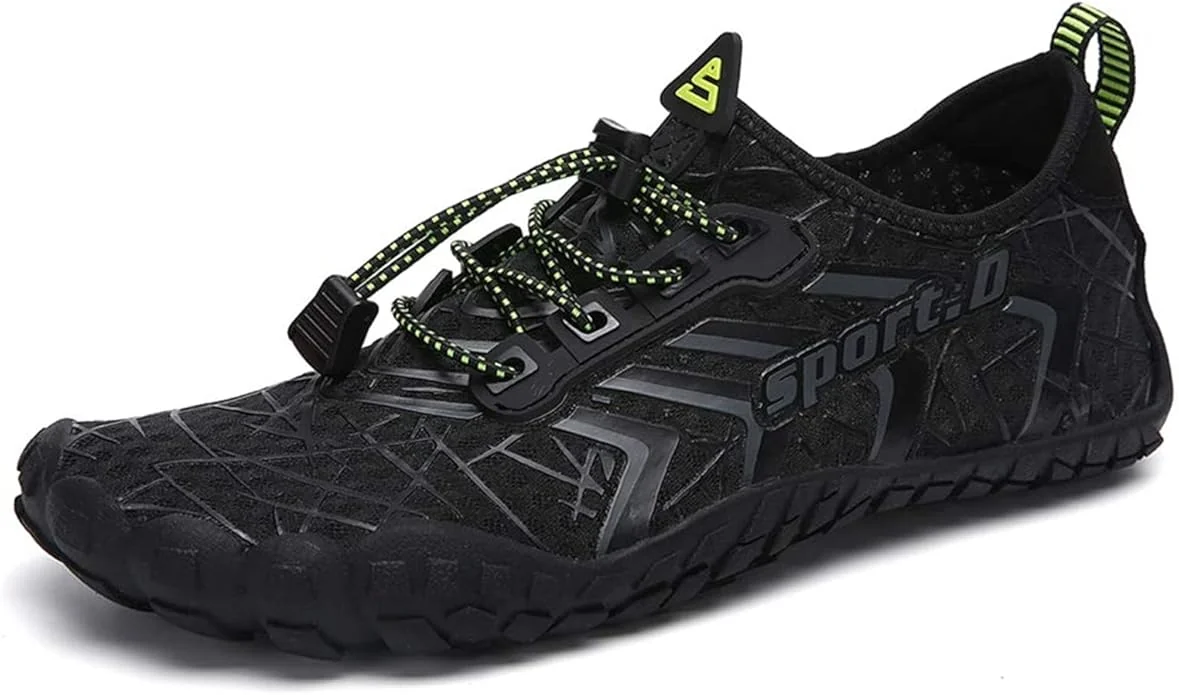
- Drainage port system in the sole — water exits immediately rather than pooling in the footbed, eliminating the soggy-shoe problem after every stream crossing
- Non-marking rubber outsole with lug pattern designed for wet rock — the same grip philosophy as a hiking boot but built to work when submerged
- Closed-toe design protects against submerged rocks, roots, and oyster shells in coastal areas — the main gap in open-toed sport sandals
- Quick-dry polyester webbing strap system — fully dry within 30–45 minutes of leaving the water, not six hours
Who this is for
This is for the traveler whose trip includes any Florida spring visit, Georgia river hike, coastal island walk, or waterfall trail with creek crossings — which covers a significant portion of the active outdoor itineraries on this site. It's for the person who wants one pair of footwear that handles both the wet sections and the dry approach trail without changing shoes. The functional test is simple: if you'll be wading through anything ankle-deep or walking on wet rock, water sandals are the right tool.
Where to use it on your trip
At Ichetucknee Springs State Park in Florida, the tubing and swimming areas are accessed via a sandy trail and then a limestone entry point — water sandals handle both without the shoe-change that running shoes require. At Three Sisters Springs in Crystal River, Florida, the kayak entry and swimming area has slick limestone shelving at the water edge — grip here is non-optional. On Tallulah Gorge's gorge floor in Georgia, the gorge floor trail crosses the Tallulah River twice on exposed granite slabs — the wet-rock grip is the reason experienced gorge hikers specifically recommend water sandals over trail runners for this permit section.
Who should skip it
If your hiking is strictly on dry upland terrain — ridge trails, forest paths, desert walks — these sandals offer no advantage over trail runners or hiking boots and provide less support on sustained elevation gain. Skip them also for cold-weather travel in Georgia or Tennessee in November through February, when water temperatures make wading impractical and the closed waterproof boot is the right call.
Our take
Buy these if your trip includes a Florida spring, a Georgia or Tennessee river trail, or any coastal activity where you'll be in and out of water for hours. The functional specs — drainage, grip, closed toe — solve specific problems that generic sandals and trail runners don't. Skip them for strictly dry mountain hiking where a waterproof boot is the better investment.
We may earn a commission if you purchase through our link, at no extra cost to you.