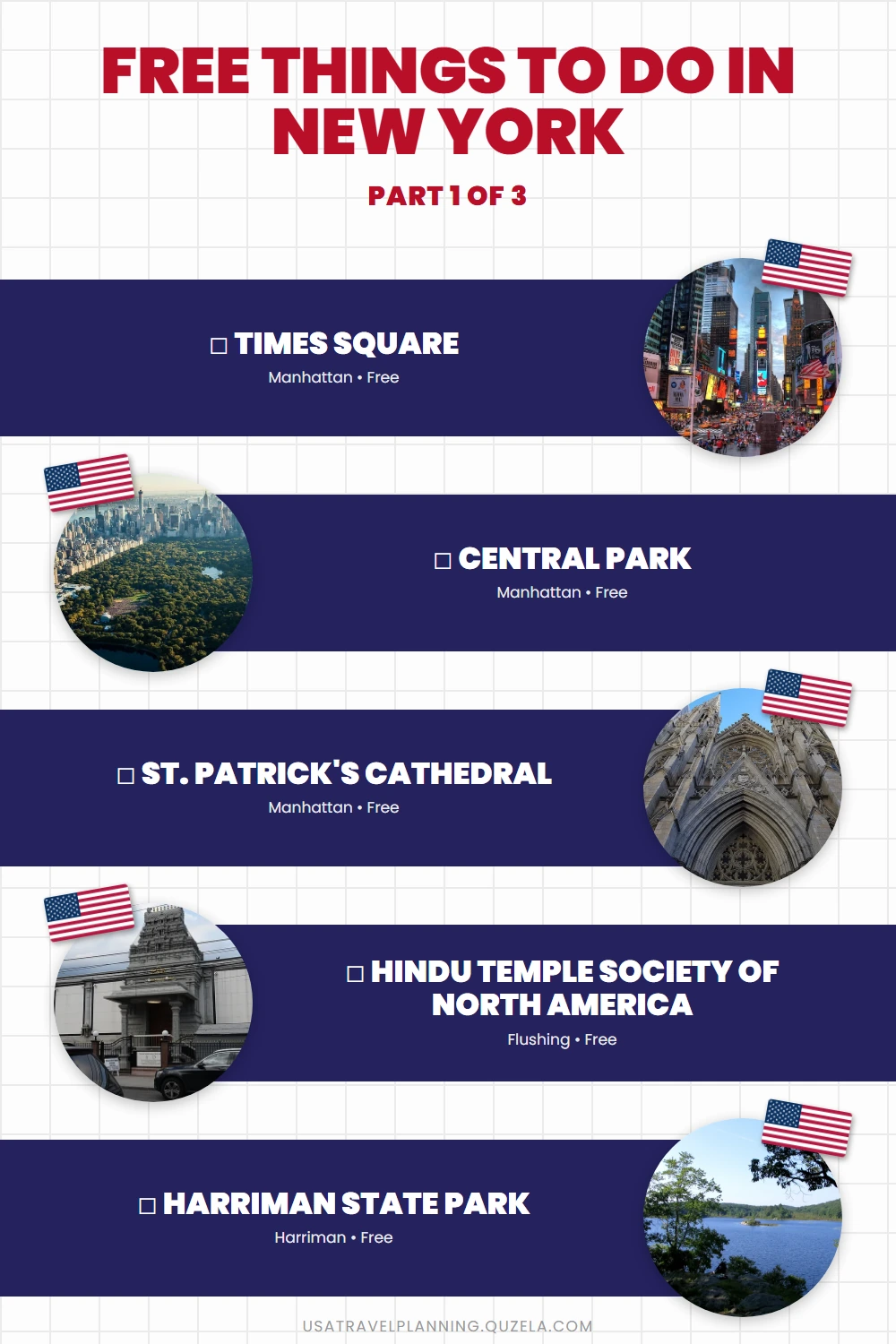
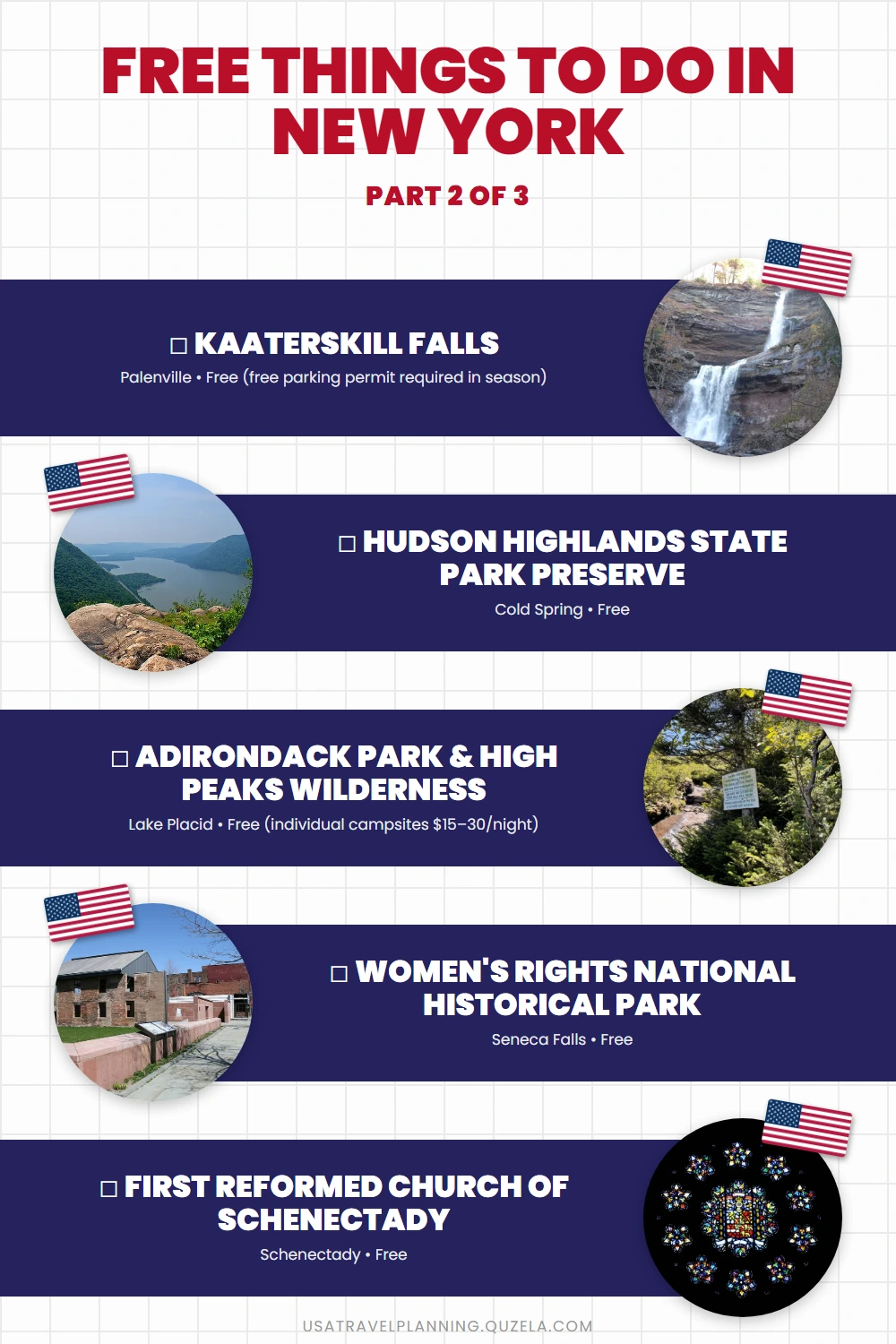
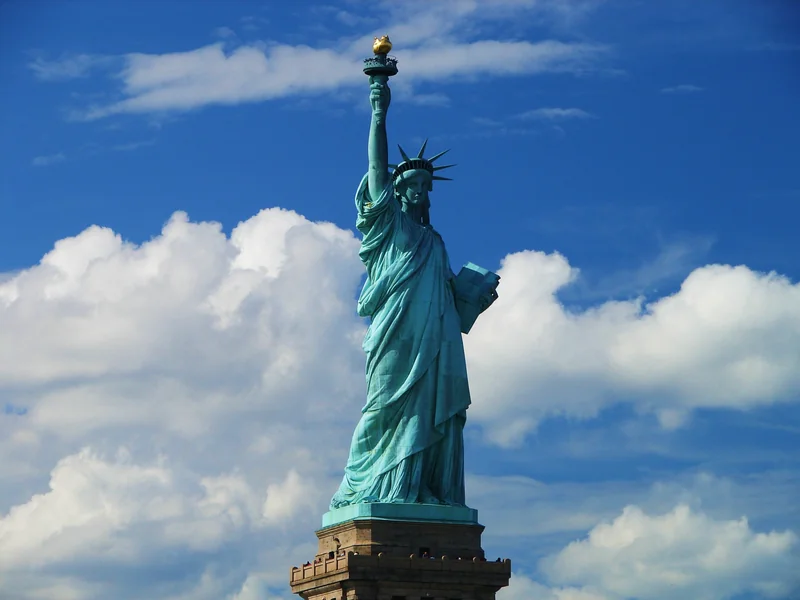
New York has more free attractions than any other state — and they're spread across it, from a 260-foot waterfall in the Catskills to a 400-year-old church in Schenectady to the birthplace of L. Frank Baum in a small Madison County town. Central Park and Times Square are the obvious ones. This guide adds 12 more that cost nothing to enter, grouped by region.
14 destinations selected from a curated US travel dataset — prioritized by regional distribution, visitor significance, and independent research. Must-see and Worth-the-detour ratings reflect relative value within New_york.
Jump to: New York City · Hudson Valley & Catskills · Upstate New York · Western New York & Long Island · Planning Notes
New York City
Times Square Must-see
New York County · Manhattan
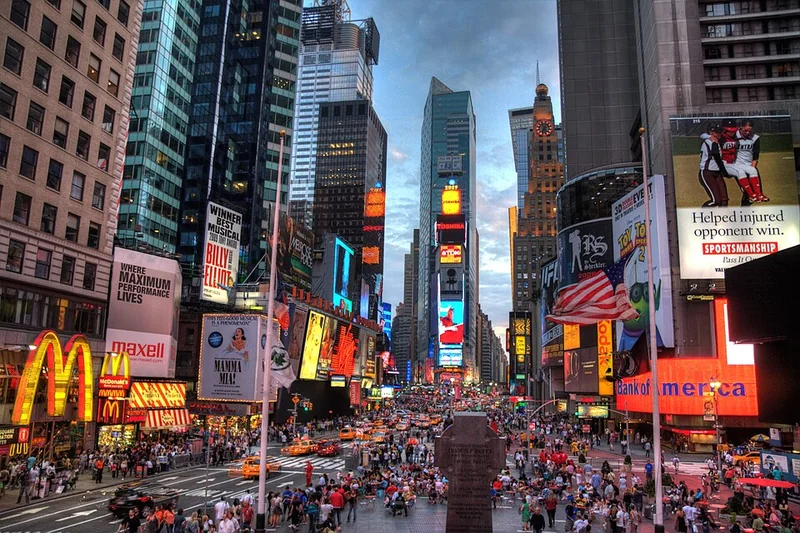
The intersection of Broadway and 7th Avenue between 42nd and 47th Streets. More than 330,000 people pass through daily; the pedestrian plazas added in 2009 create standing room to look without being swept along. The LED advertising runs at full intensity after 9pm — the best time to visit for the full effect.
The TKTS booth at the red staircase at 47th Street sells Broadway tickets at 20–50% off for same-day and next-day shows. Lines are shortest when the booth opens (11am for matinees, 3pm for evening shows). Times Square itself is free; everything around it — restaurants, shows, tourist traps — is not. Walk 6 blocks in any direction for actual neighborhood food.
Watch on YouTube · View on Google Maps
Central Park Must-see
New York County · Manhattan
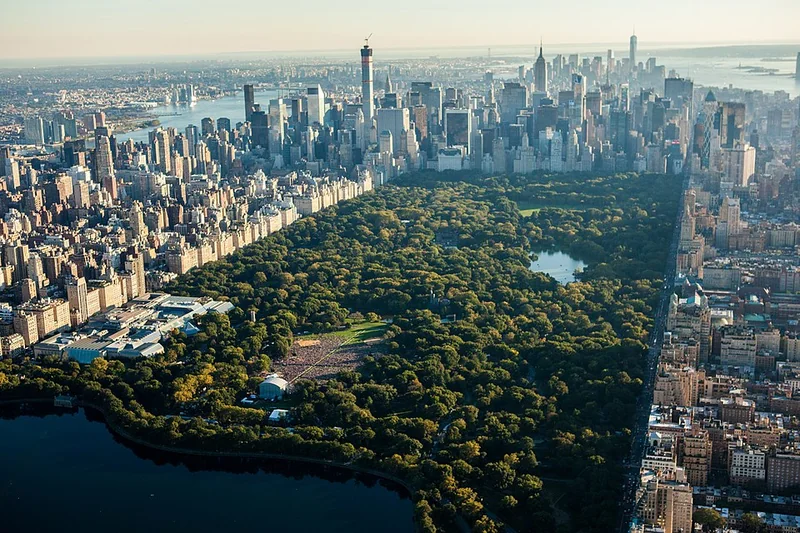
843 acres between 59th and 110th Streets, designed by Frederick Law Olmsted and Calvert Vaux and completed in 1873. The park has 37 miles of pathways, 7 bodies of water, a zoo, a carousel, and three outdoor stages. The Ramble (36 acres of intentionally wild woodland) is the top urban birding location in the eastern United States during spring and fall migration.
Enter at 72nd Street on either side for the most-visited central section — the Bethesda Fountain and Terrace are 5 minutes south of the 72nd Street crosstown path. The Great Lawn hosts free New York Philharmonic and Metropolitan Opera concerts in summer (schedule posted in June). The park is entirely free and open 6am to 1am daily. The perimeter loop road is 6.1 miles for runners and cyclists.
Watch on YouTube · View on Google Maps
St. Patrick's Cathedral Must-see
New York County · Manhattan
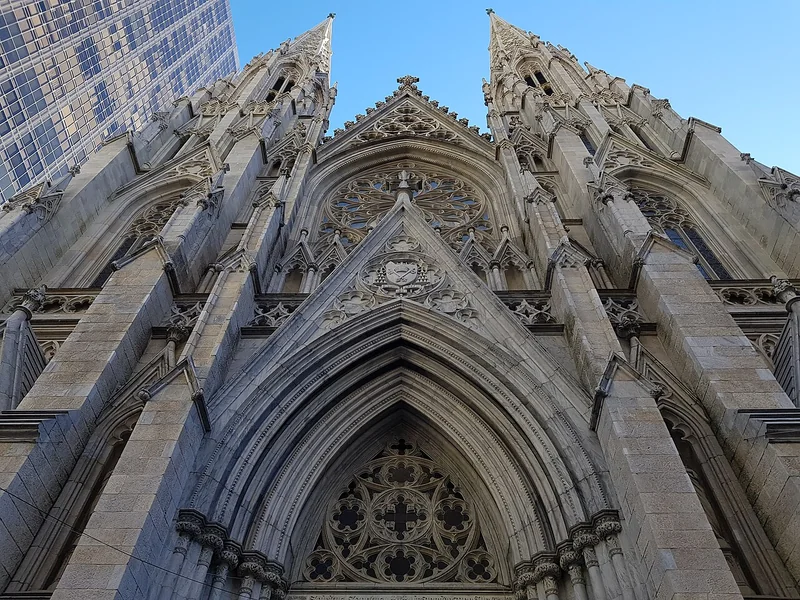
Gothic Revival cathedral completed in 1879 at 51st Street and Fifth Avenue, directly across from Rockefeller Center. The twin spires reach 330 feet; the nave seats 2,200. Mass runs multiple times daily; the cathedral is free to enter with security screening at the main doors.
For a quieter visit, come on a Tuesday or Wednesday morning before 11am — weekend afternoons draw the largest crowds. The Lady Chapel behind the main altar has the most intricate stained glass. The cathedral faces Saks Fifth Avenue — it's a 5-minute walk from Times Square and directly adjacent to the Rockefeller Center complex. Audio tours are available for a fee. Allow 30–45 minutes inside.
Watch on YouTube · View on Google Maps
Hindu Temple Society of North America (Queens) Must-see
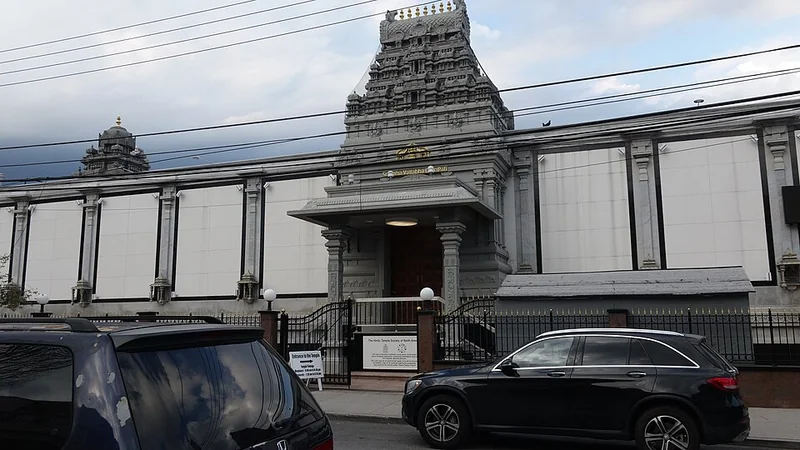
Queens County · Flushing
The Hindu Temple Society of North America in Flushing, Queens, houses the Ganesh Temple — the first traditionally constructed Hindu temple in the United States, built in 1977 by craftsmen brought from India. The temple follows the South Indian Agama style, with a consecrated inner sanctum and stone sculptures carved using traditional techniques. Ganesh, Shiva, and Vishnu are the primary deities.
The temple is free and open daily from 8am to 9pm. Remove shoes before entering and dress modestly (shoulders and knees covered). The temple is at 45-57 Bowne Street — the 7 train stops at Main Street Flushing, a 10-minute walk. The surrounding Flushing neighborhood is one of the largest Asian communities outside Asia; a meal in Flushing is a natural addition to the visit.
Watch on YouTube · View on Google Maps
Hudson Valley & Catskills
Harriman State Park Must-see
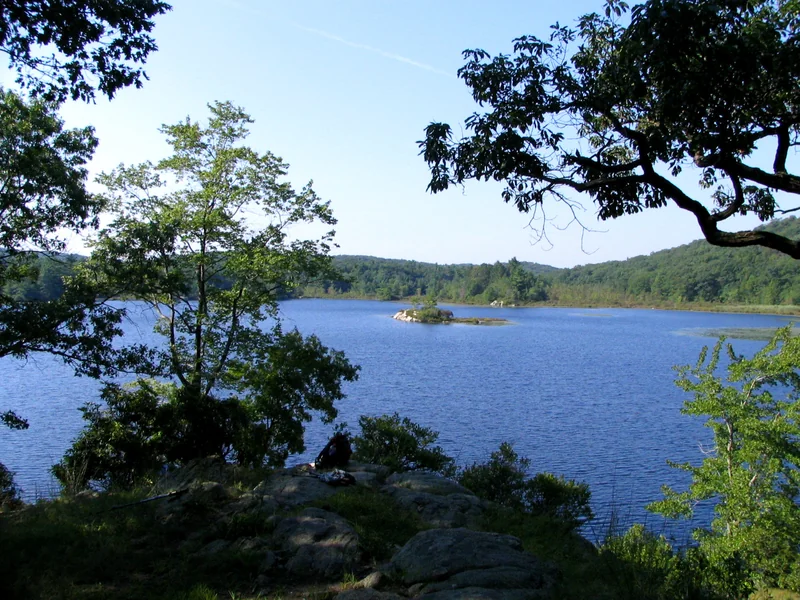
Rockland County · Harriman
Harriman State Park covers 47,000 acres in Rockland and Orange Counties, 35 miles north of Manhattan. The park has 200+ miles of marked hiking trails, 31 lakes and reservoirs, and 9 campgrounds. The Appalachian Trail runs through the park's northern section. The Pine Meadow Lake trail (4.5 miles round trip) is the most popular moderate hike; Timp-Torne (9 miles, 2,000 ft elevation gain) is the most demanding and rewarding summit.
Entry is free year-round; parking at major trailheads is free except at Sebago Beach ($8 in season). The park is accessible by bus — Short Line/Coach USA runs from the Port Authority Bus Terminal to Harriman village, and a free shuttle connects to several trailheads on summer weekends. No reservations needed for day hiking.
Watch on YouTube · View on Google Maps
Kaaterskill Falls (Highest Waterfall in NY) Must-see
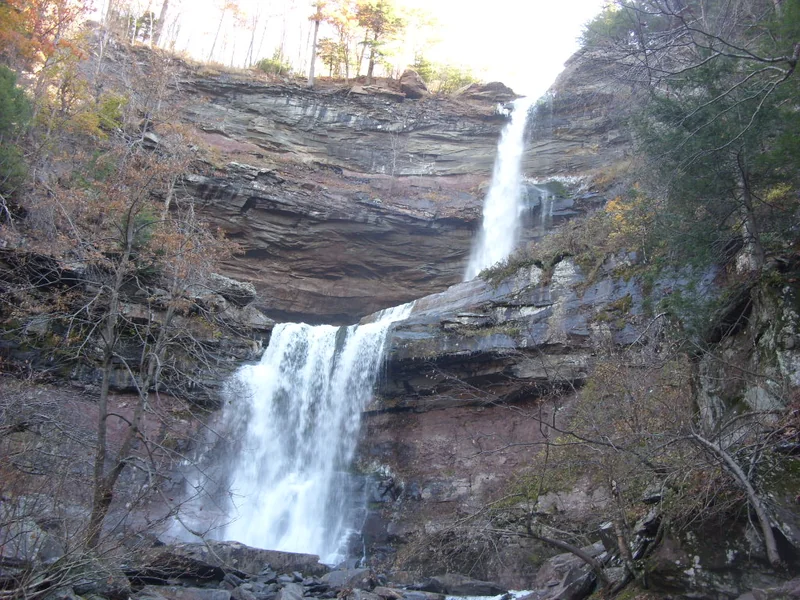
Greene County · Palenville
Kaaterskill Falls is New York's highest waterfall: 175 feet on the upper tier and 85 feet on the lower for a combined 260 feet. The hike from the Laurel House Road parking area to the base of the upper falls is 1.1 miles round trip on a well-maintained trail. A steeper side scramble reaches the ledge between the two tiers.
From Memorial Day through Columbus Day, a free parking permit is required — obtain it at dec.ny.gov before arrival. The Route 23A road through Kaaterskill Clove has no roadside parking and is strictly enforced; the permit lot fills by 9am on summer weekends. The falls run strongest in spring after snowmelt. Woodstock village is 8 miles west and makes a natural afternoon stop.
Watch on YouTube · View on Google Maps
Hudson Highlands State Park Preserve Must-see
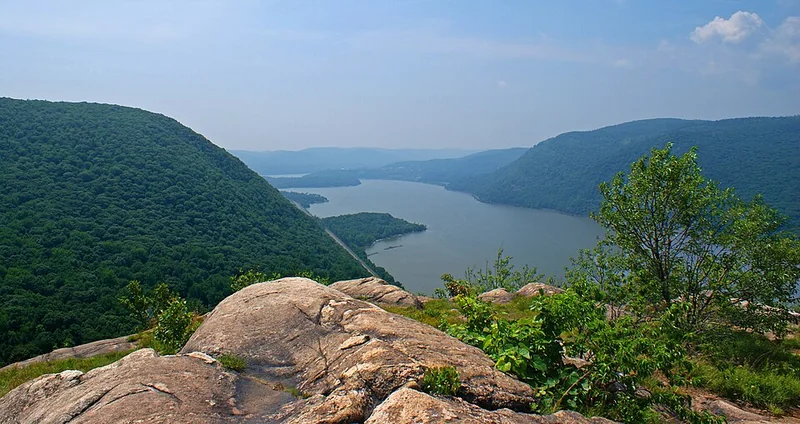
Putnam County · Cold Spring
Hudson Highlands State Park Preserve is 8,000 acres along the Hudson River, with Breakneck Ridge as the main entry point. The Breakneck Ridge trail climbs 1,200 feet in the first mile through open rock scrambles, with Hudson River views from the top. The Metro-North Hudson Line stops at Breakneck Ridge (seasonal flag stop) and Cold Spring, making this one of the few wilderness parks in New York accessible without a car.
Cold Spring village, a 5-minute walk from the Cold Spring train station, has restaurants and shops along a waterfront main street. The full Breakneck Ridge loop via Bull Hill is 8.5 miles. Free entry to the park. Metro-North round-trip from Grand Central is approximately $30.
Watch on YouTube · View on Google Maps
USA Travel Planner — Google Sheets
One purchase. Every US state. Forever.
A pre-filled travel dashboard for every US state — we are actively building them out.
- 75+ curated attractions — pre-researched for you
- Built-in budget tracker (countdown, expenses, remaining)
- Step-by-step planning tabs
- Buy once — get all future states free as they launch
Upstate New York
Adirondack Park & High Peaks Wilderness Must-see
Essex County · Lake Placid
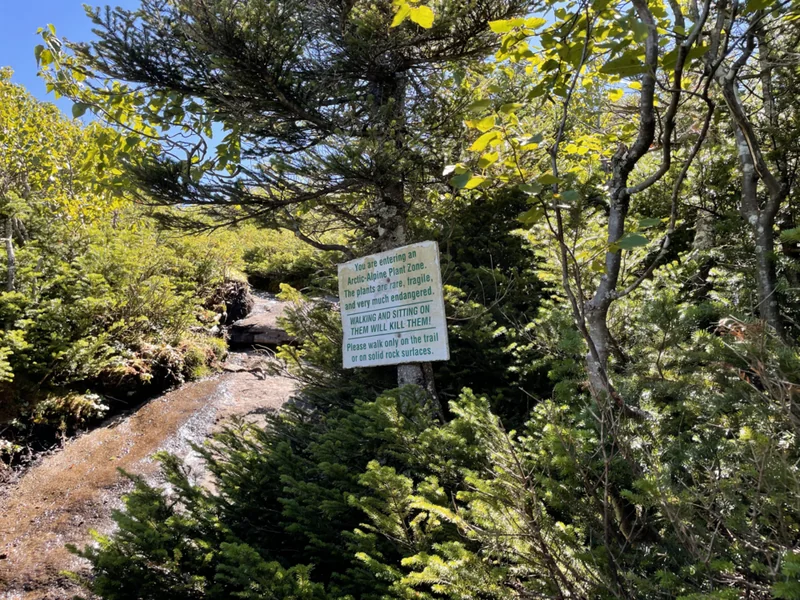
Adirondack Park is 6 million acres — larger than Yellowstone, Yosemite, Grand Canyon, and Glacier combined — and has no entry fee. The park contains 2,000 miles of marked hiking trails, 3,000 lakes, and the High Peaks Wilderness, where 46 mountains top 4,000 feet. Mount Marcy, the state's highest peak at 5,344 feet, is a 14.8-mile round-trip hike from the Adirondak Loj trailhead.
A free permit is required for overnight camping in the High Peaks region from April through November — obtain one at reserveamerica.com. Day hiking has no permit requirement, but trailhead lots fill by 7am on summer weekends. Lake Placid village (site of the 1932 and 1980 Winter Olympics) is the most practical base: the 1980 Olympic Museum is there, skating is available year-round at the Olympic Oval, and lodging ranges from hostels to resorts.
Watch on YouTube · View on Google Maps
Women's Rights National Historical Park Must-see
Seneca County · Seneca Falls
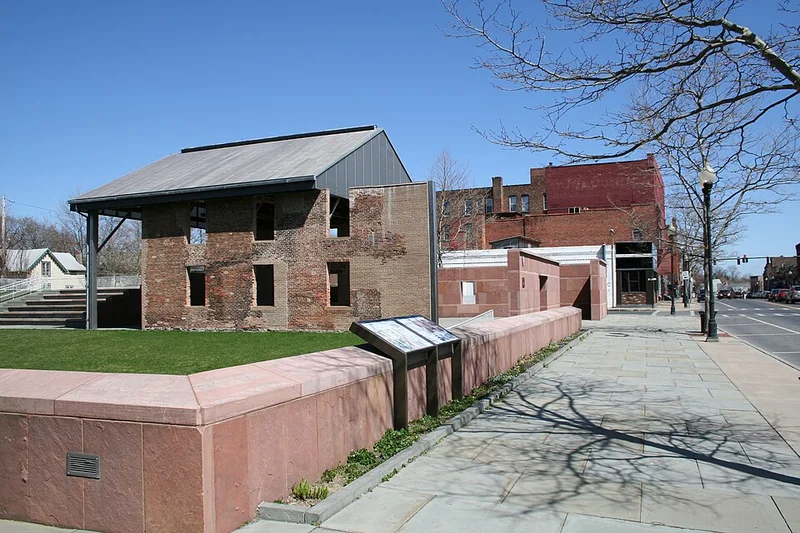
The 1848 Seneca Falls Convention — the first organized women's rights convention in the United States — took place at Wesleyan Chapel in what is now this national park's centerpiece. Elizabeth Cady Stanton drafted the Declaration of Sentiments here, modeled on the Declaration of Independence, demanding equal rights for women. The convention drew 300 attendees; 68 women and 32 men signed.
The park is free and includes the chapel site, a visitor center with suffrage movement exhibits spanning 1848 through the 19th Amendment in 1920, and the Elizabeth Cady Stanton House 0.5 miles away. The National Women's Hall of Fame — one block from the park — charges $5 admission. Seneca Falls is in the Finger Lakes region, 40 miles east of Rochester and 40 miles north of Corning.
Watch on YouTube · View on Google Maps
First Reformed Church of Schenectady (Founded 1680) Worth the detour
Schenectady County · Schenectady
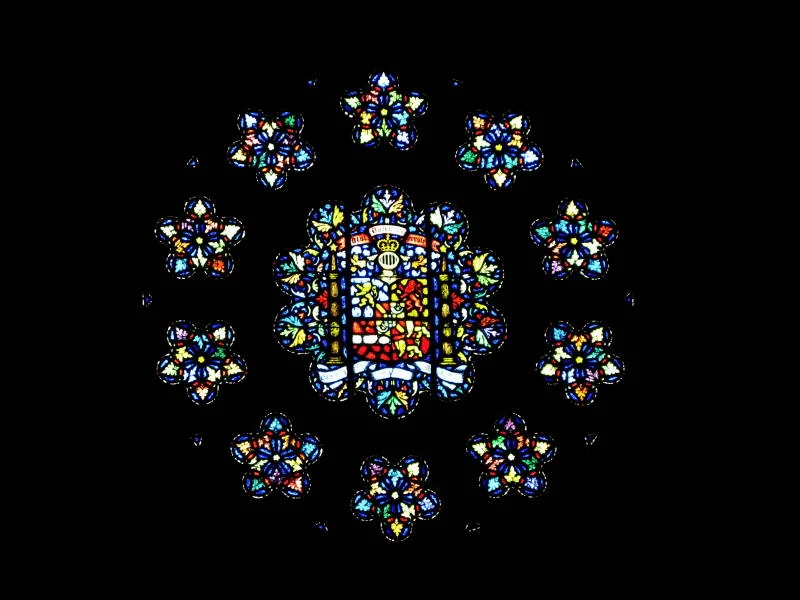
The First Reformed Church of Schenectady was established in 1680, making it one of the oldest continuously active congregations in the United States. The current building, completed in 1862, stands in the Stockade Historic District — a neighborhood of 18th and 19th-century homes on the original 1661 Dutch settlement grid, one of the oldest intact neighborhoods in America.
The church is free to visit; the Stockade District itself is a walkable historic neighborhood where the street layout has not changed since the Dutch colonial period. Schenectady is 15 miles northwest of Albany, accessible by Amtrak Empire Service. The surrounding neighborhood has restaurants and is a 10-minute walk from the Schenectady Amtrak station.
Watch on YouTube · View on Google Maps
Chittenango — Birthplace of L. Frank Baum (Wizard of Oz) Worth the detour
Madison County · Chittenango
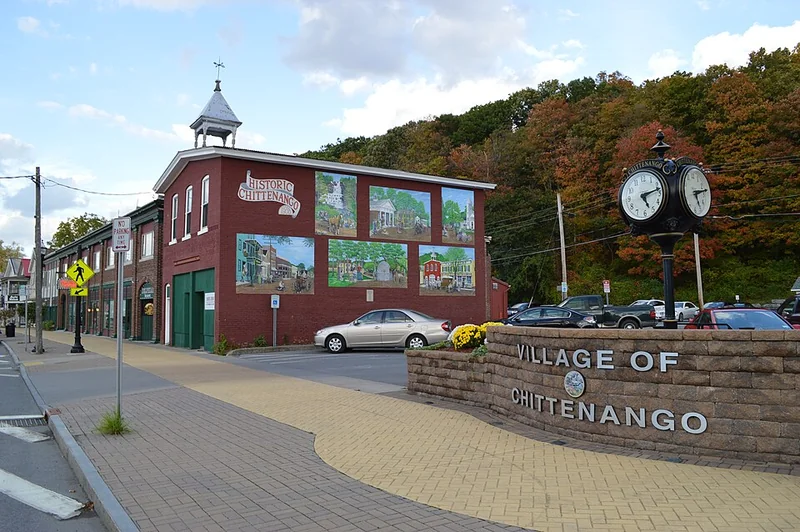
Chittenango, in Madison County between Syracuse and Utica, is the birthplace of L. Frank Baum, who was born here in 1856 and went on to write The Wonderful Wizard of Oz in 1900. The town leans into the connection: the main commercial strip is called Yellow Brick Road, and downtown businesses display Oz-themed signage. The annual OzFest (held in June) brings costumed characters and Oz-adjacent programming.
There is no major museum; the draw is the town itself and the roadside acknowledgment of Baum's birthplace. The historic marker is at the center of the village. Chittenango Falls State Park is 3 miles south — a 167-foot waterfall with a free day-use trail and swimming area. Chittenango is 20 miles east of Syracuse, a 25-minute drive.
Watch on YouTube · View on Google Maps
Western New York & Long Island
The Hamptons Must-see
Suffolk County · Southampton
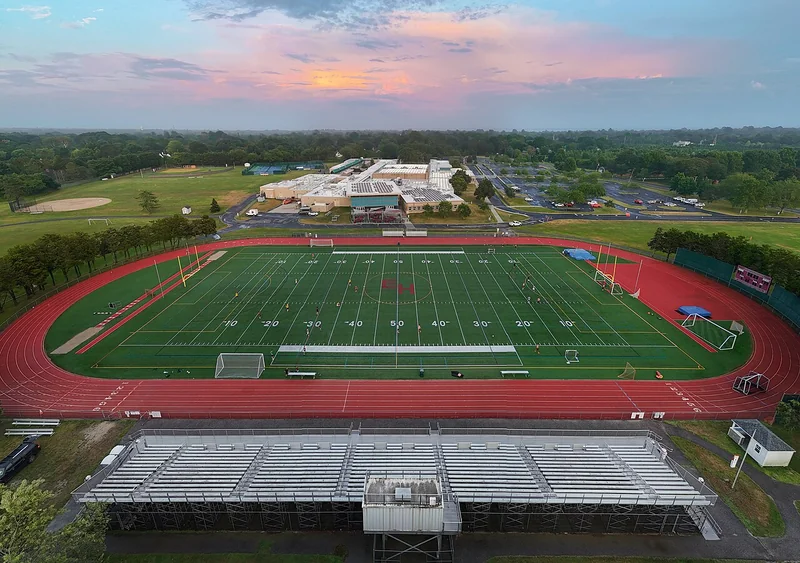
The Hamptons occupy the South Fork of Long Island's East End — Southampton, East Hampton, Bridgehampton, Sagaponack, and Montauk — with 70 miles of Atlantic Ocean beaches. The beach sand and shoreline are free to access; village beach sticker parking ($30–50/day for non-residents) applies from late June through Labor Day. Indian Wells Beach in Amagansett and access points along Dune Road offer easier parking.
The Long Island Rail Road's Montauk Branch runs from Penn Station to Southampton (1 hour 40 minutes), East Hampton (2 hours), and Montauk (2 hours 45 minutes) — the train removes the parking issue entirely. The towns themselves are free to walk; Main Street in East Hampton and Southampton have galleries and restaurants. Off-season (September through May), parking is unrestricted and the beaches are empty.
Watch on YouTube · View on Google Maps
Our Lady of Victory Basilica (Lackawanna) Must-see
Erie County · Lackawanna
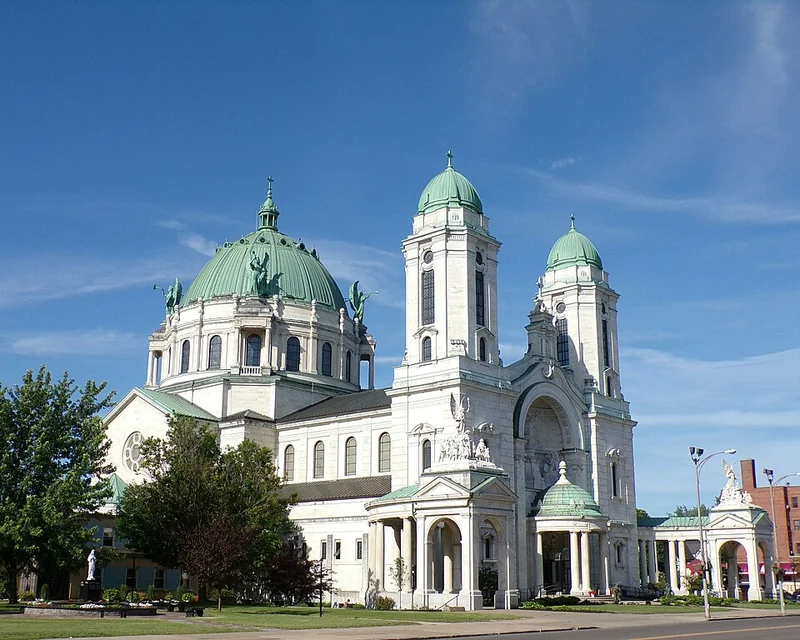
Our Lady of Victory Basilica in Lackawanna was completed in 1926 under Father Nelson Baker, a Catholic priest who ran one of the most extensive charitable operations in western New York for 50 years. The exterior is Italian Renaissance; the interior is ornate marble and gilded bronze with mosaics throughout. Pope John Paul II designated it a minor basilica in 1975. The building seats 1,400 and is one of the most decorated Catholic churches in North America.
The basilica is free to visit and open daily. Lackawanna is 5 miles south of downtown Buffalo on South Park Avenue — accessible by NFTA Metro bus from the Buffalo Metro Rail. The Shrine of Our Lady of Victory adjacent to the basilica grounds includes the tomb of Father Baker, beatified by Pope Francis in 2021.
Watch on YouTube · View on Google Maps
Shrine of the North American Martyrs (Auriesville) Worth the detour
Montgomery County · Auriesville
The Shrine of the North American Martyrs in Auriesville marks the site of a 17th-century Mohawk village where Jesuit missionaries Isaac Jogues, René Goupil, and John Lalande were killed between 1642 and 1646. The three were canonized in 1930 as the North American Martyrs. The shrine is also the birthplace of Kateri Tekakwitha (1656–1680), the first Native American saint, canonized in 2012.
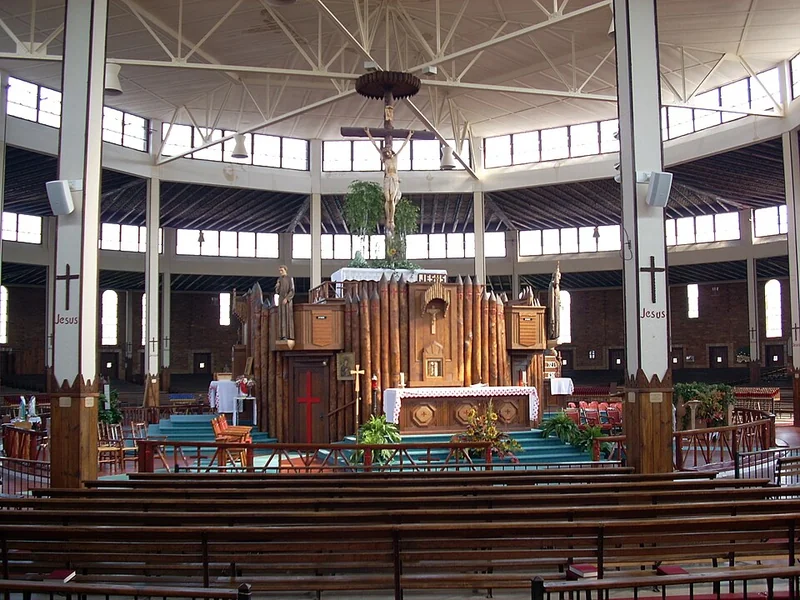
The shrine grounds are free and open daily from May through October. The Coliseum — a circular chapel that seats 6,000 and is one of the largest open-air shrines in the world — is the architectural centerpiece. Auriesville is in the Mohawk Valley, 40 miles west of Albany and 12 miles east of Amsterdam. The grounds are peaceful and rarely crowded outside of pilgrimage weekends.
Watch on YouTube · View on Google Maps
Planning Notes
Plan your visit: New York City's free landmarks — Central Park, Times Square, and St. Patrick's Cathedral — are covered in depth at Things to Do in Manhattan, New York. Our Lady of Victory Basilica in Lackawanna and its western New York context are in Things to Do in Buffalo, New York.