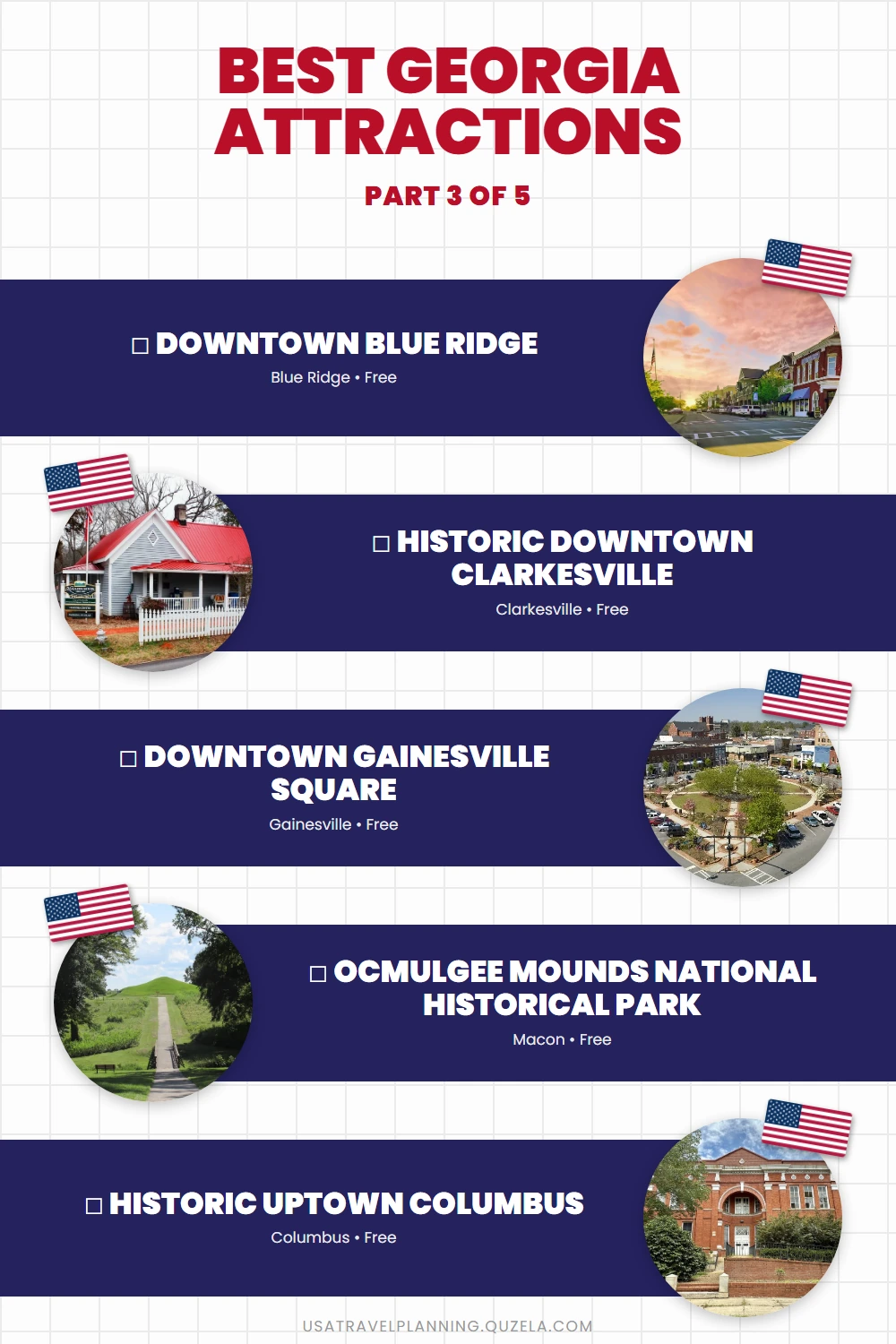
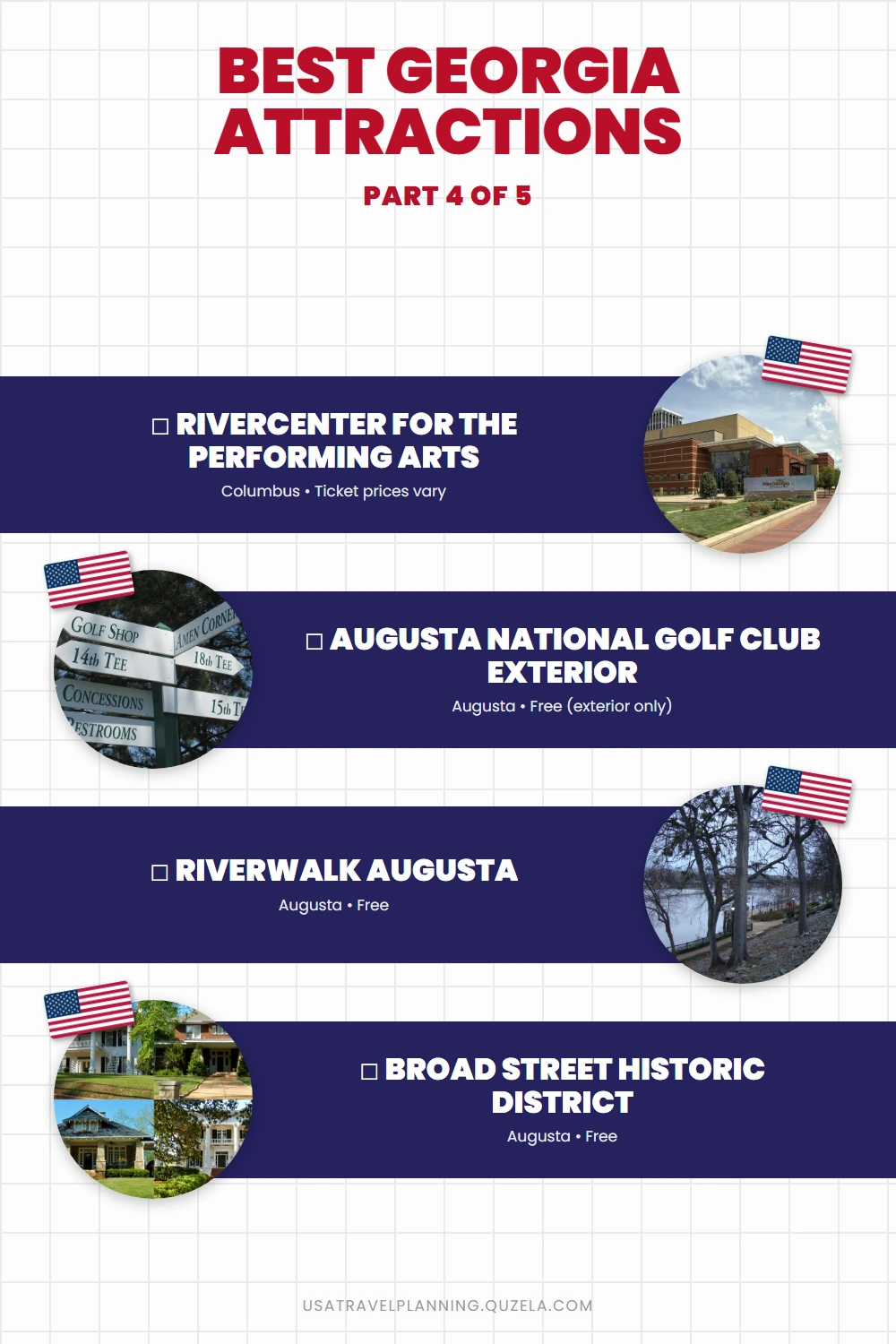
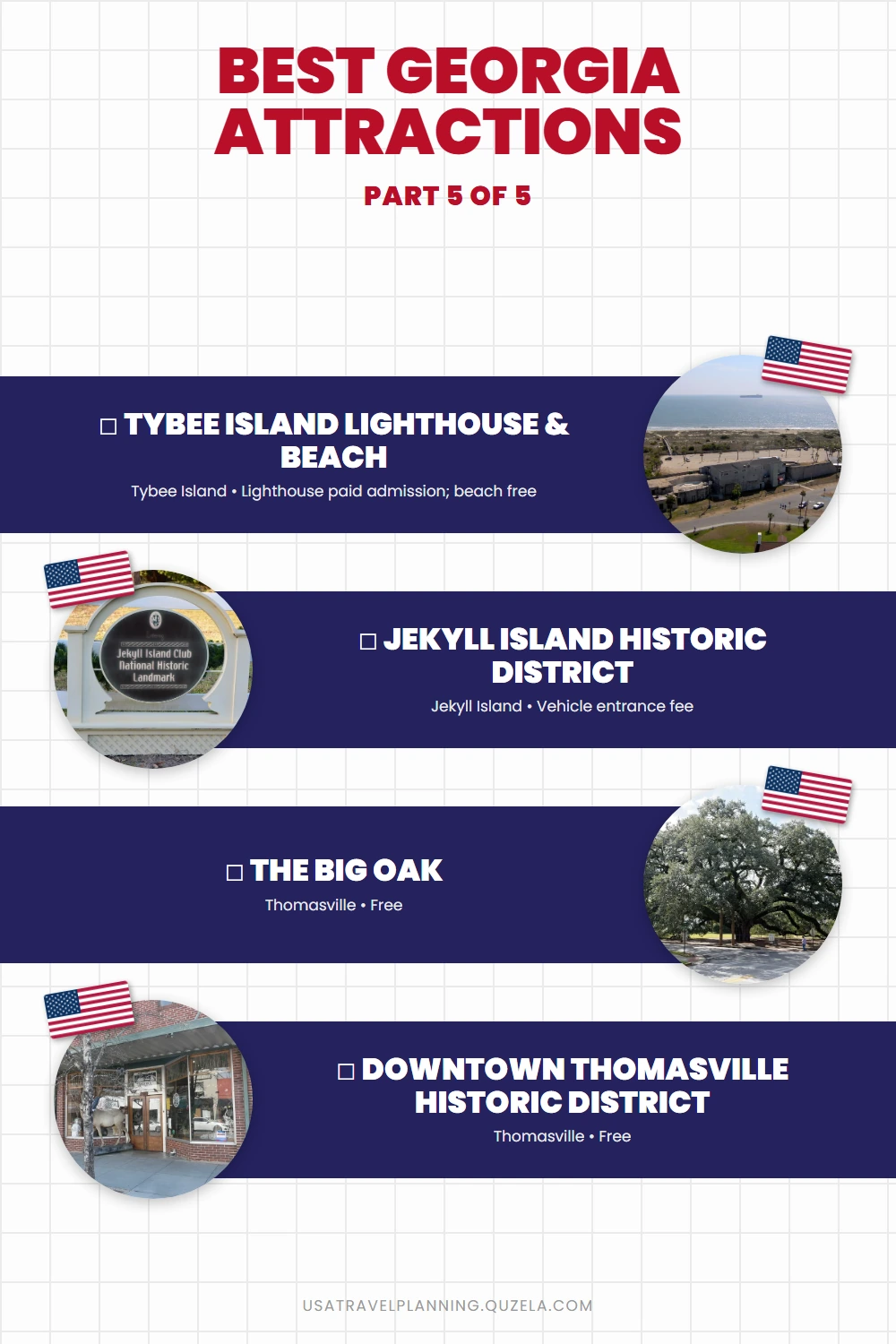
Georgia punches above its weight for tourist attractions. Atlanta alone has the largest aquarium in North America, the country's most visited civil rights historic site, and a 22-mile urban trail network. Beyond Atlanta: a genuine gold rush town, a 26-mile scenic railway, a 17,000-year-old archaeological site, and Rock City's legendary seven-state overlook on Lookout Mountain.
The 26 sites below span the state from the Tennessee border to the Florida line, drawn from a curated travel dataset and grouped by region.
23 destinations selected from a curated US travel dataset — prioritized by regional distribution, visitor significance, and independent research. Must-see and Worth-the-detour ratings reflect relative value within Georgia.
Jump to: Atlanta & Metro Atlanta · Northwest Georgia · Dahlonega · Blue Ridge · Clarkesville · Lake Lanier Area · Macon · Columbus · Augusta · Coastal Georgia · South Georgia · Planning Notes
Atlanta & Metro Atlanta
Atlanta is the state's commercial and cultural center, with a concentration of major attractions dense enough to fill two or three days without a car.
Georgia Aquarium Must-see

Fulton County · Atlanta
The largest aquarium in North America, holding 10 million gallons across five major galleries. Home to four whale sharks — the only ones in any aquarium in the Western Hemisphere — plus manta rays, beluga whales, and more than 100,000 animals. The Ocean Voyager exhibit is a single 6.3-million-gallon tank with a 100-foot underwater tunnel where whale sharks circle overhead.
Plan 3–4 hours and buy tickets in advance — it sells out on weekends. Located in downtown Atlanta adjacent to Centennial Olympic Park.
Watch on YouTube · View on Google Maps
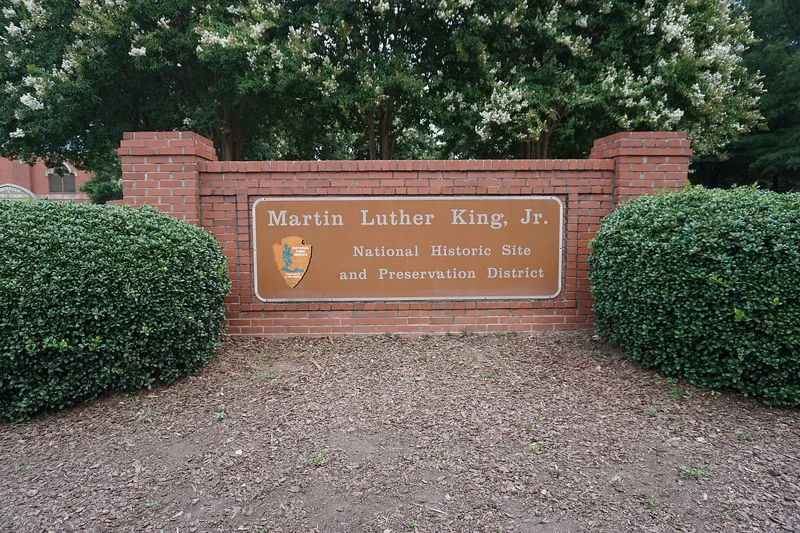
Martin Luther King Jr. National Historical Park Must-see
Fulton County · Atlanta
A two-block historic district in Atlanta's Sweet Auburn neighborhood preserving the birthplace, church, and memorial tomb of Martin Luther King Jr. Ranger-led tours of the birth home are limited to 15 people and are free — arrive early to get tickets. Ebenezer Baptist Church, where King preached, is open for self-guided tours. The Freedom Hall complex holds his tomb and a reflecting pool.
Draws over a million visitors per year. Arrive early on weekdays; weekends are perpetually crowded.
Watch on YouTube · View on Google Maps
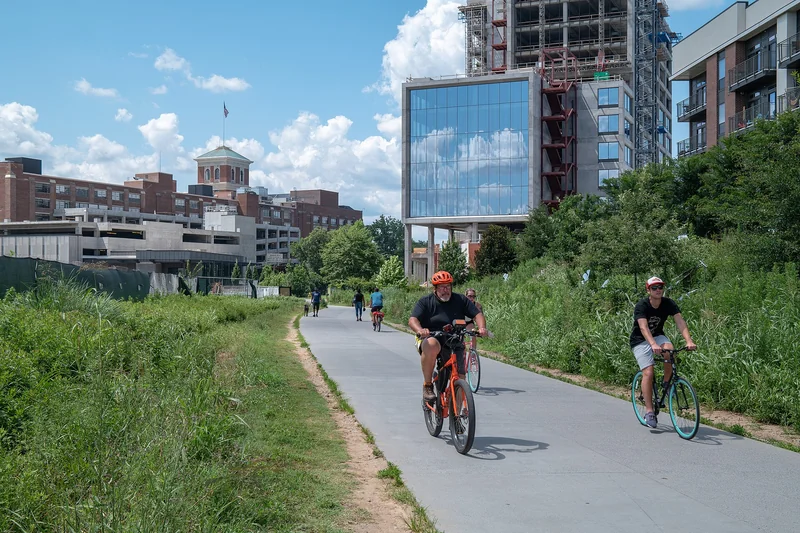
The Atlanta BeltLine Must-see
Fulton County · Atlanta
A 22-mile loop of converted rail corridors (9+ miles currently open) circling Atlanta and connecting 45 neighborhoods with paved multi-use trails, street art, and food vendors. The Eastside Trail is the most active segment — 2.25 miles through Inman Park, Ponce City Market, and Old Fourth Ward, lined with murals and public art installations.
The BeltLine is where Atlanta actually lives outdoors. Weekday mornings are quieter; weekends are crowded but lively.
Watch on YouTube · View on Google Maps
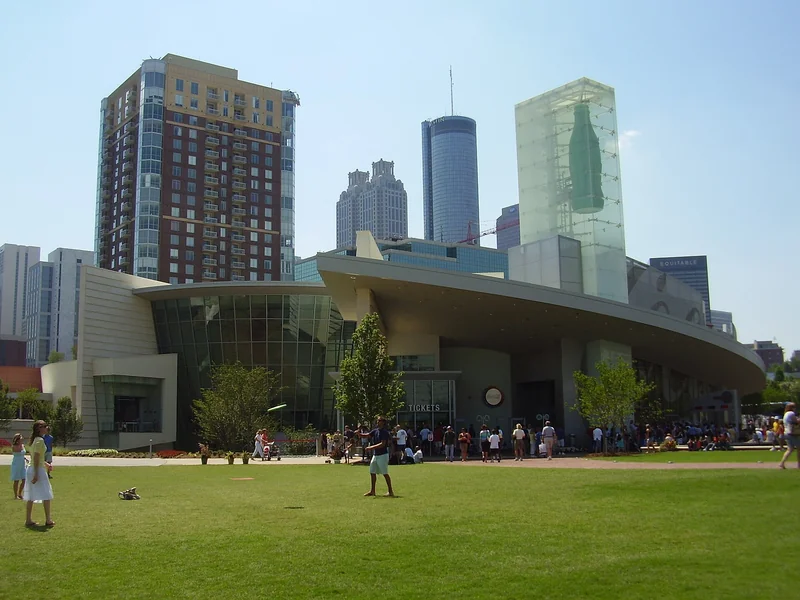
World of Coca-Cola Must-see
Fulton County · Atlanta
A brand museum dedicated to Coca-Cola, founded in Atlanta in 1886. The main draw is the Taste It! pavilion — 100+ beverages from Coca-Cola's international portfolio available for unlimited tasting, including regional flavors not sold in the US. The vault exhibit theatrically presents the sealed formula.
Plan 2 hours. Located adjacent to the Georgia Aquarium — easy to combine in a single downtown Atlanta day.
Watch on YouTube · View on Google Maps
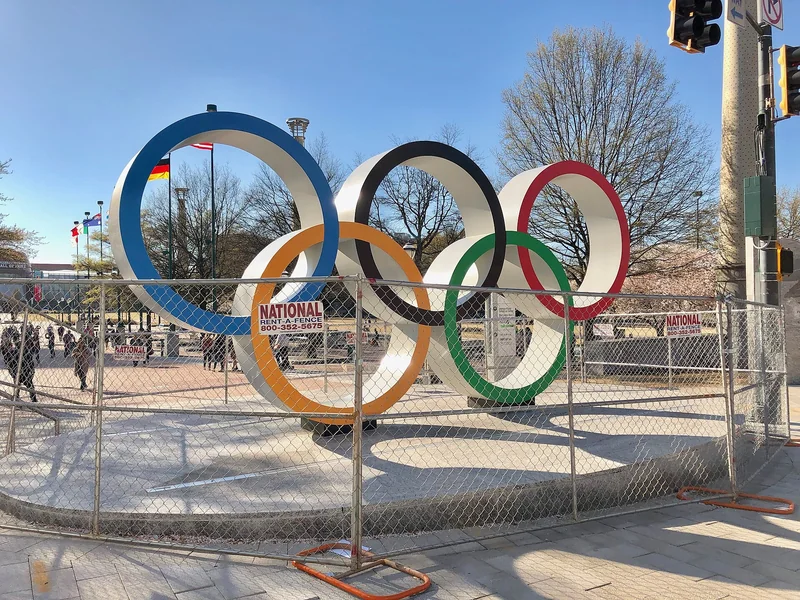
Centennial Olympic Park Worth the detour
Fulton County · Atlanta
A 22-acre public park built for the 1996 Atlanta Olympics. The Fountain of Rings — five interlocking water jets timed to music — runs on a schedule posted on the park's website. The park anchors the Georgia Aquarium, World of Coca-Cola, and College Football Hall of Fame, all within one block.
More of a connector than a destination, but well-maintained and a useful orientation point for downtown Atlanta.
Watch on YouTube · View on Google Maps
Stone Mountain Park Must-see
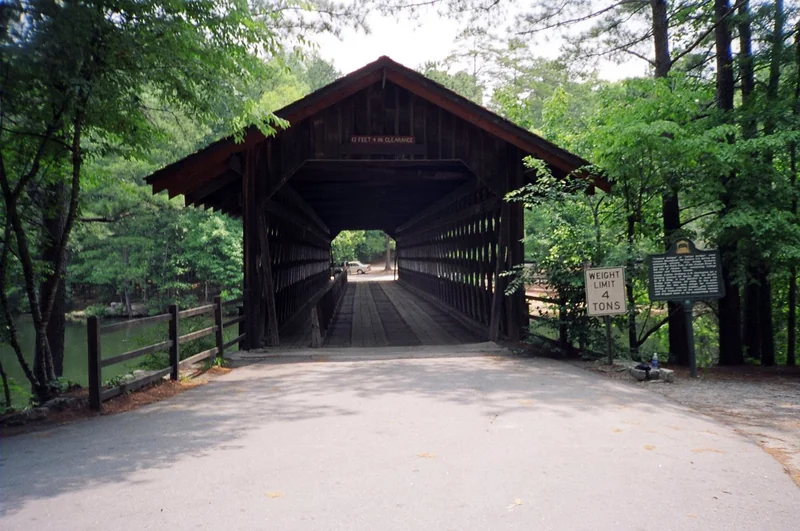
DeKalb County · Stone Mountain
An 825-acre state park centered on a 1,686-foot exposed granite dome — the largest exposed granite monolith in the world. A cable car runs to the summit; the walk-up trail is 1.3 miles with 825 feet of elevation gain and delivers views across the Atlanta skyline and full Piedmont. The north face carries the largest bas-relief carving in the world.
The park has expanded into a resort complex with laser shows and themed attractions. The summit hike is worth doing regardless of the rest.
Watch on YouTube · View on Google Maps
Northwest Georgia
Rock City Gardens (Lookout Mountain) Must-see
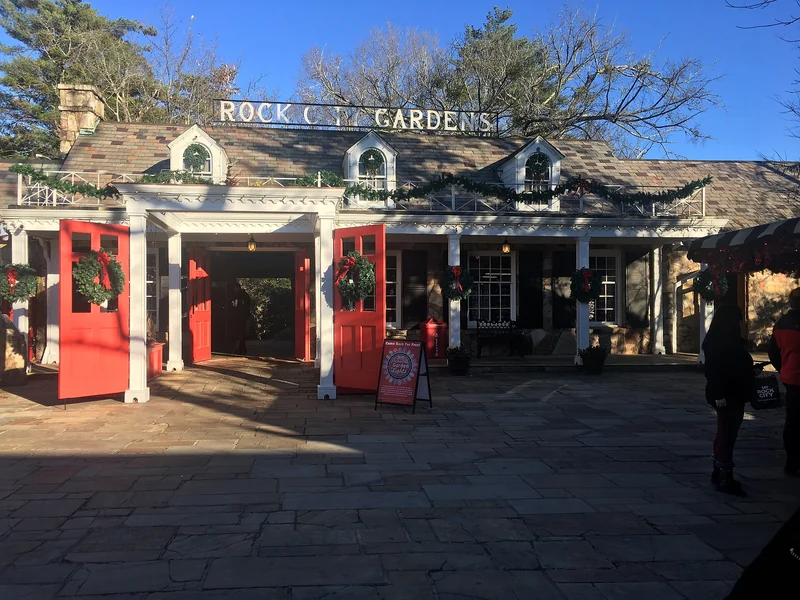
Walker County · Lookout Mountain
A 14-acre rock garden on the Tennessee border, on the summit of Lookout Mountain, claiming views of 7 states from a single overlook. Built in the 1930s and promoted via "See Rock City" barn roof ads across the South for decades. The grounds wind through massive 1,000-ton boulders, a swinging bridge, and multiple canyon overlooks 1,700 feet above the Chattanooga valley.
Unabashedly old-school roadside attraction done well. The seven-state claim requires clear weather, but on a good day the views are legitimately dramatic.
Watch on YouTube · View on Google Maps
Dahlonega
Lumpkin County's seat was the site of America's first major gold rush in 1828 — 20 years before California. The historic square, working mines, and one of Georgia's strongest wine regions make it North Georgia's best single-town destination.
Historic Dahlonega Square Must-see
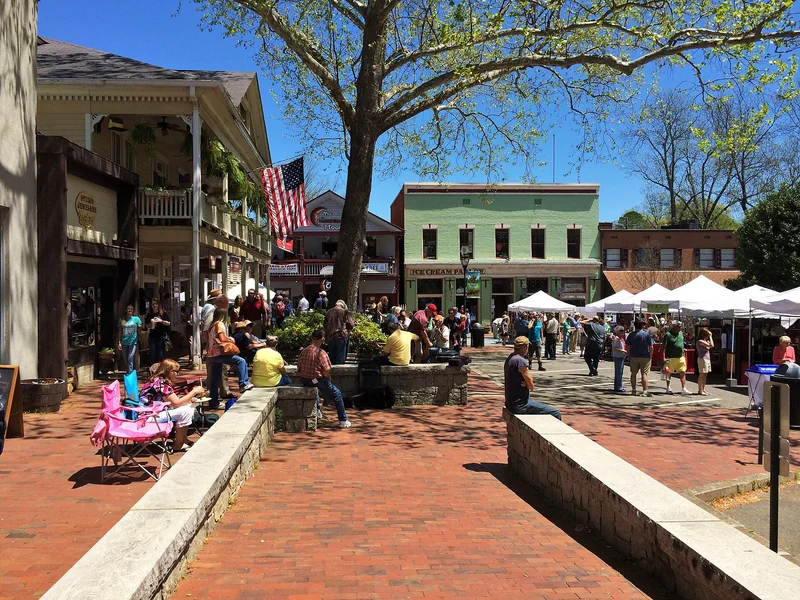
Lumpkin County · Dahlonega
The original courthouse square from the 1830s gold rush era, anchored by the Dahlonega Gold Museum inside Georgia's oldest public building. The square is lined with gold-themed shops, independent restaurants, wine tasting rooms, and outdoor outfitters. The museum has actual nuggets and coins on display and tells the story of the 1828 rush.
Walkable and free. Most visitors spend 2–3 hours here before heading to the mines or nearby vineyards.
Watch on YouTube · View on Google Maps
Blue Ridge
Fannin County's mountain town is 90 miles north of Atlanta and draws weekend visitors with a scenic railway, large orchards, and a compact downtown.
Blue Ridge Scenic Railway Must-see

Fannin County · Blue Ridge
A 26-mile round-trip excursion train following the Toccoa River into the Tennessee mountains, departing from downtown Blue Ridge's historic 1905 depot. Open-air flatcars allow unobstructed views; enclosed cars are also available. The full ride takes about 3–4 hours.
Book in advance on weekends — it sells out. Seasonal themed rides (fall foliage, holiday trains) are popular.
Watch on YouTube · View on Google Maps
Mercier Orchards Must-see
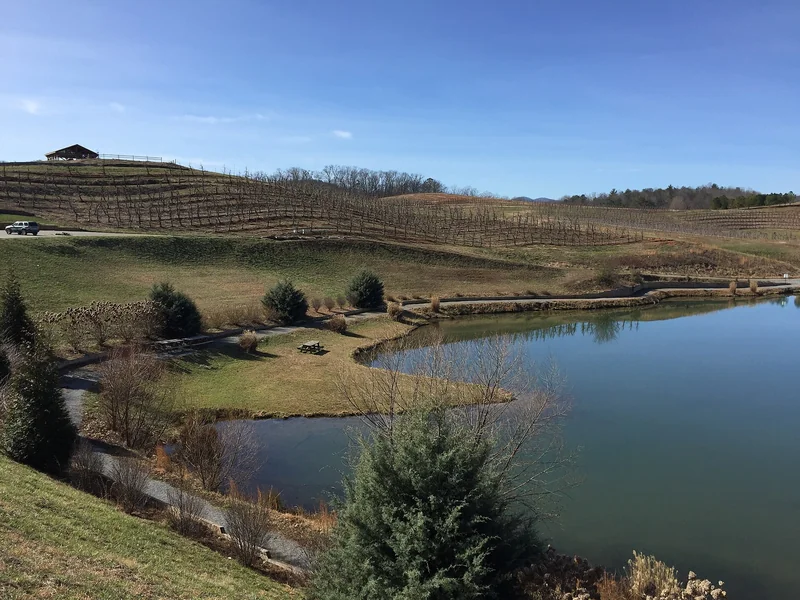
Fannin County · Blue Ridge
The largest apple orchard in the Southeast, with 50+ apple varieties and a farm market selling cider, preserves, and baked goods. U-pick apple season runs August through October and is one of the busiest tourist events in North Georgia. The on-site hard cider taproom is open year-round.
Located 3 miles from downtown Blue Ridge. No admission to browse the farm market.
Watch on YouTube · View on Google Maps
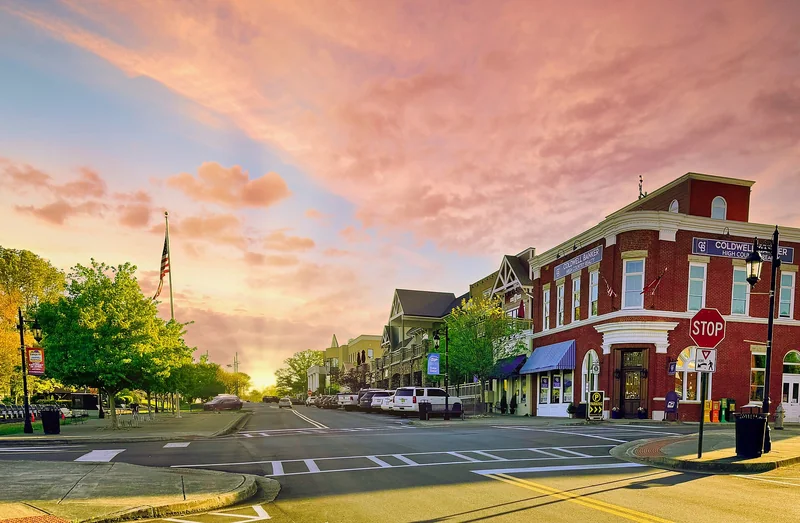
Downtown Blue Ridge Must-see
Fannin County · Blue Ridge
A compact mountain-town main street with antique shops, wine bars, and independent restaurants anchored around the historic railway depot. Blue Ridge has become North Georgia's most popular mountain weekend destination.
Most visitors combine downtown with Mercier Orchards, the scenic railway, and Lake Blue Ridge in a single day.
Watch on YouTube · View on Google Maps
Clarkesville
Habersham County's seat is a quieter arts and outdoor-activity town in the foothills, 10 minutes from Panther Creek Trail.
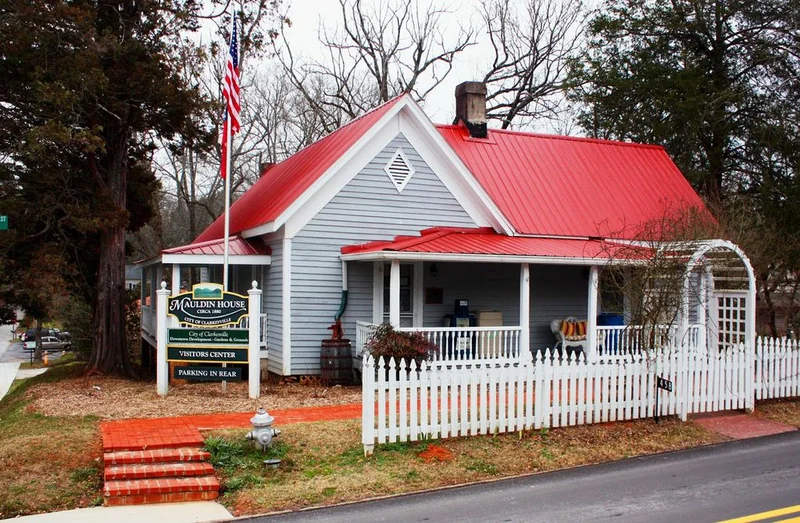
Historic Downtown Clarkesville Must-see
Habersham County · Clarkesville
A preserved small-town square with galleries, antique shops, and better independent restaurants than Blue Ridge with fewer crowds. The surrounding county offers excellent fly-fishing on the Soque River and direct access to Panther Creek Trail and Chattahoochee National Forest.
Best for visitors wanting a less-crowded alternative to Blue Ridge and a strong base for Habersham County outdoor activities.
Watch on YouTube · View on Google Maps
Lake Lanier Area
Hall County sits at the southern edge of the Blue Ridge foothills, centered on Lake Sidney Lanier — a 38,000-acre reservoir and the most-visited Army Corps of Engineers lake in the country.
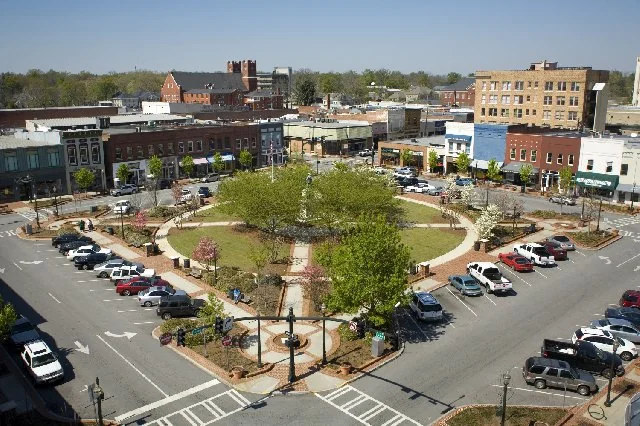
Downtown Gainesville Square Worth the detour
Hall County · Gainesville
Gainesville is the "Poultry Capital of the World" — Hall County processes more chicken annually than any other US county. The revitalized downtown square has independent restaurants and a monument to the 1936 tornado that destroyed much of the original town.
A solid lunch stop when visiting Lake Lanier or the northeast Georgia foothills. The square adds useful regional context.
Watch on YouTube · View on Google Maps
USA Travel Planner — Google Sheets
One purchase. Every US state. Forever.
A pre-filled travel dashboard for every US state — we are actively building them out.
- 75+ curated attractions — pre-researched for you
- Built-in budget tracker (countdown, expenses, remaining)
- Step-by-step planning tabs
- Buy once — get all future states free as they launch
Macon
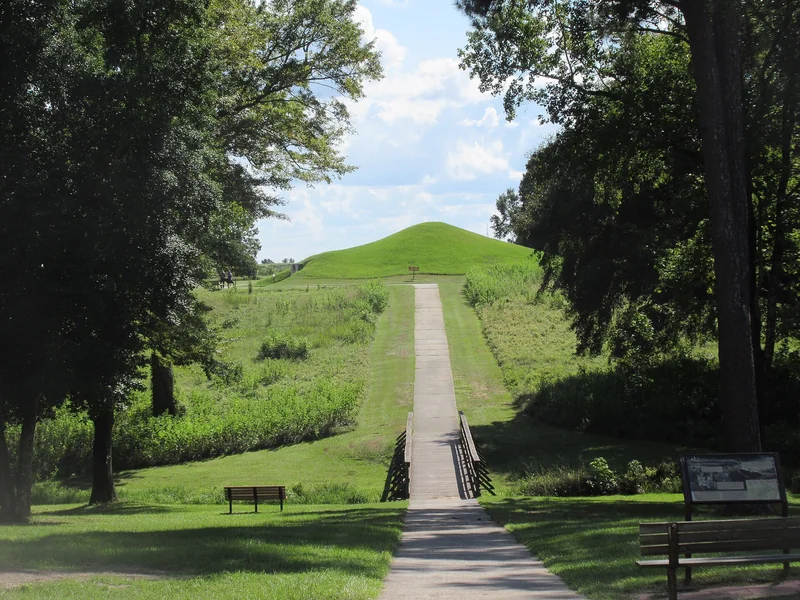
Ocmulgee Mounds National Historical Park Worth the detour
Bibb County · Macon
Earthen mounds built by Native American cultures across 17,000 years of continuous occupation — one of the longest records of human habitation in North America. Seven mounds remain; the Great Temple Mound stands 55 feet high. An underground ceremonial Earth Lodge dating to 1000 CE is intact, with the original clay floor and seating alcoves.
A world-class archaeological site that most visitors drive past on I-16. Free, with 702 acres of trails through floodplain forest.
Watch on YouTube · View on Google Maps
Columbus
Georgia's second-largest city sits on the Alabama border along the Chattahoochee River and has built its downtown around restored whitewater recreation.
Historic Uptown Columbus Worth the detour
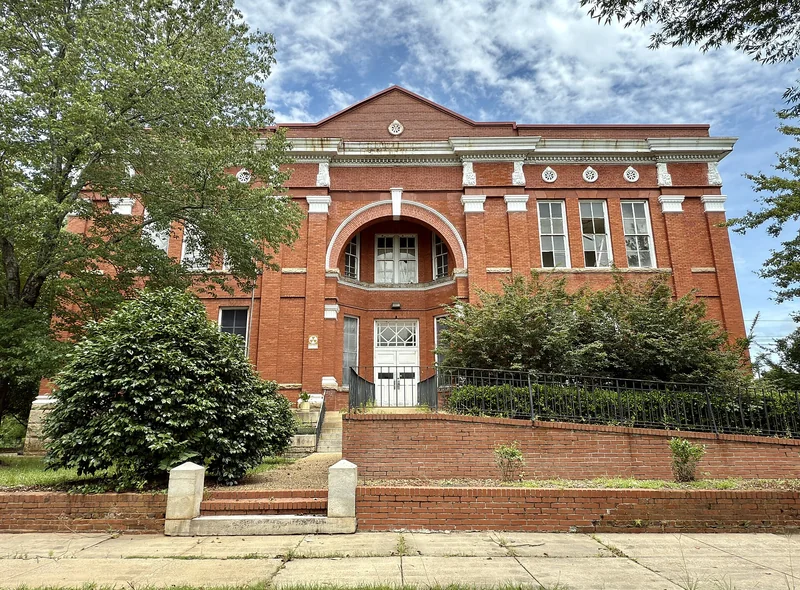
Muscogee County · Columbus
The revitalized downtown district along Broadway, with converted 19th-century commercial buildings housing restaurants, bars, and galleries. The National Infantry Museum, Columbus Museum, and RiverCenter are all within a few blocks.
Best combined with a whitewater day. Columbus's downtown is stronger than most Georgia cities of its size.
Watch on YouTube · View on Google Maps
RiverCenter for the Performing Arts Worth the detour
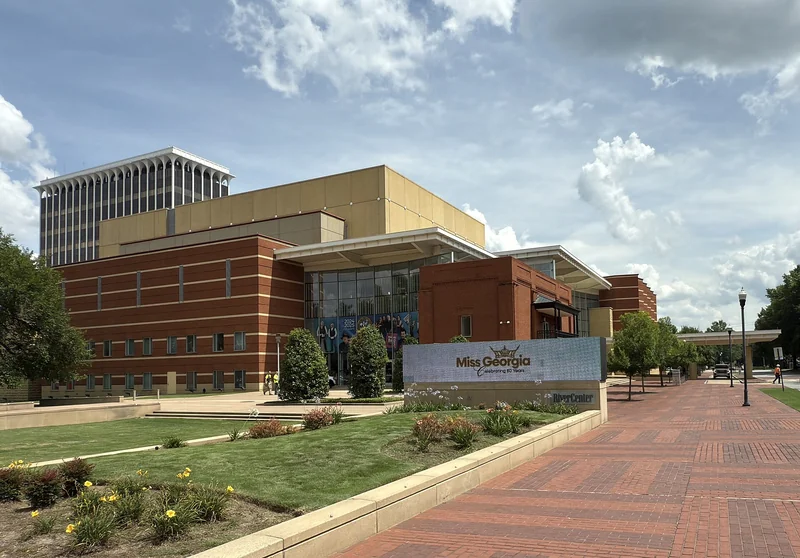
Muscogee County · Columbus
A performing arts complex on the Chattahoochee River with a 2,000-seat main theatre and a smaller studio space. The Broadway Series brings touring productions through the season. Contemporary architecture with river views.
Check the schedule at rivercenter.org and plan a Columbus day around a specific show — the river views from the lobby are a bonus.
Watch on YouTube · View on Google Maps
Augusta
Richmond County's city is nationally known for the Masters Golf Tournament, but Augusta has genuine depth beyond Augusta National's gates.
Augusta National Golf Club Exterior (Masters Tournament) Must-see

Richmond County · Augusta
The most famous golf course in the world is closed to all but members and Masters patrons — but the gates on Washington Road are open year-round for exterior viewing. The entrance and iconic Magnolia Lane are worth a pilgrimage even from outside. Masters week (early April) transforms the entire city.
For golf fans, this is a bucket list stop. Standing at the gate is meaningful even without going inside.
Watch on YouTube · View on Google Maps
Riverwalk Augusta Must-see
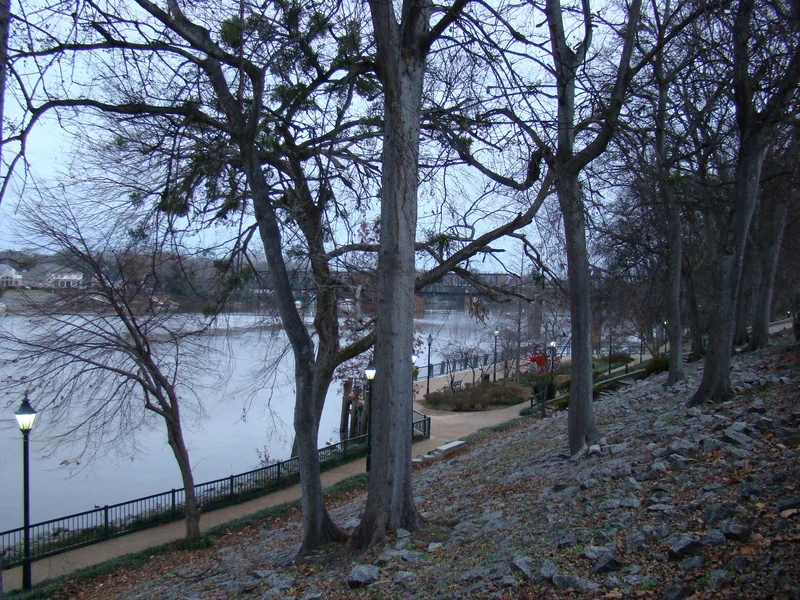
Richmond County · Augusta
A 4-block waterfront park along the Savannah River with terraced gardens, a marina, and river overlooks into South Carolina. The riverwalk connects to the Augusta Canal towpath. Best combined with the Augusta Museum of History and Broad Street for a half-day downtown circuit.
Watch on YouTube · View on Google Maps
Broad Street Historic District Worth the detour
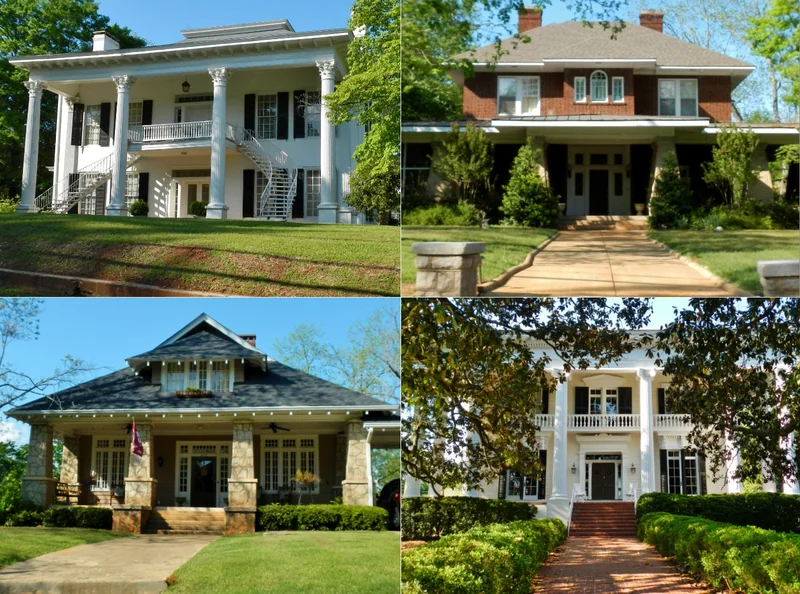
Richmond County · Augusta
Augusta's historic commercial spine — wide, lined with 19th-century storefronts, churches, and institutional buildings. Several blocks are preserved and actively revitalizing. The Augusta Museum of History and multiple local restaurants anchor the district.
Worth a walk during a downtown Augusta visit. The building stock is genuine even as the neighborhood continues to develop.
Watch on YouTube · View on Google Maps
Coastal Georgia
Tybee Island Lighthouse & Beach Must-see
Chatham County · Tybee Island
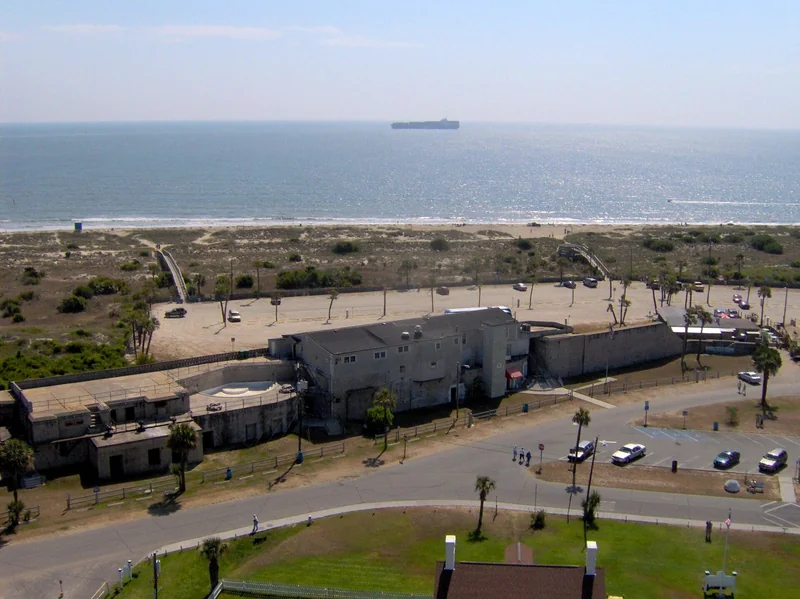
Georgia's oldest and tallest lighthouse, first built in 1736 and rebuilt to its current 154-foot height in 1867. 178 steps to the top, with views over the Atlantic and the Savannah River mouth. The adjoining beach is Savannah's closest ocean access — 18 miles east of downtown.
The lighthouse climb is worth the admission. Best at sunset for the views from the top.
Watch on YouTube · View on Google Maps
Jekyll Island Historic District Worth the detour
Glynn County · Jekyll Island
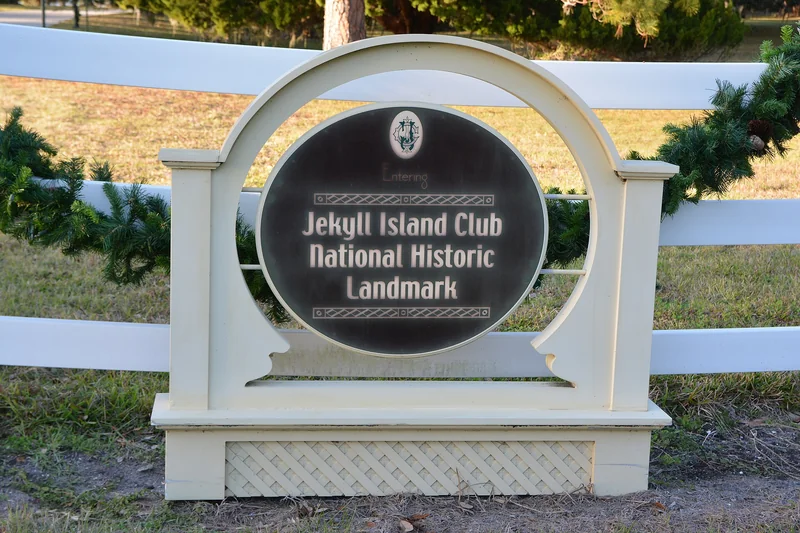
A 240-acre National Historic Landmark preserving the Gilded Age winter colony of Rockefellers, Vanderbilts, Pulitzers, and Morgans, who used Jekyll Island as a private retreat from 1886 to 1942. The mansions and the Queen Anne–style Jekyll Island Club building are open for guided tours.
The only surviving Gilded Age private island retreat open to the public in the US — and almost always uncrowded. Combine with Driftwood Beach for a full Jekyll Island day.
Watch on YouTube · View on Google Maps
South Georgia
The Big Oak (Ancient Live Oak Tree) Must-see
Thomas County · Thomasville
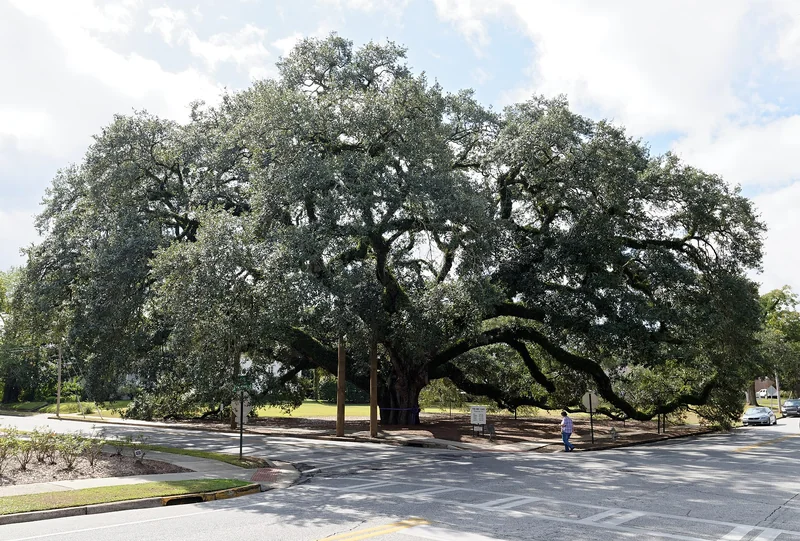
A live oak estimated to be over 330 years old, with a trunk circumference of 24 feet and a canopy spread of 162 feet — certified as a Georgia Landmark Tree and among the largest live oaks in the state. It has its own dedicated parking spot and interpretive marker in a residential neighborhood.
A 5-minute stop that's genuinely impressive up close. Photographs don't fully convey the scale.
Watch on YouTube · View on Google Maps
Downtown Thomasville Historic District Must-see
Thomas County · Thomasville
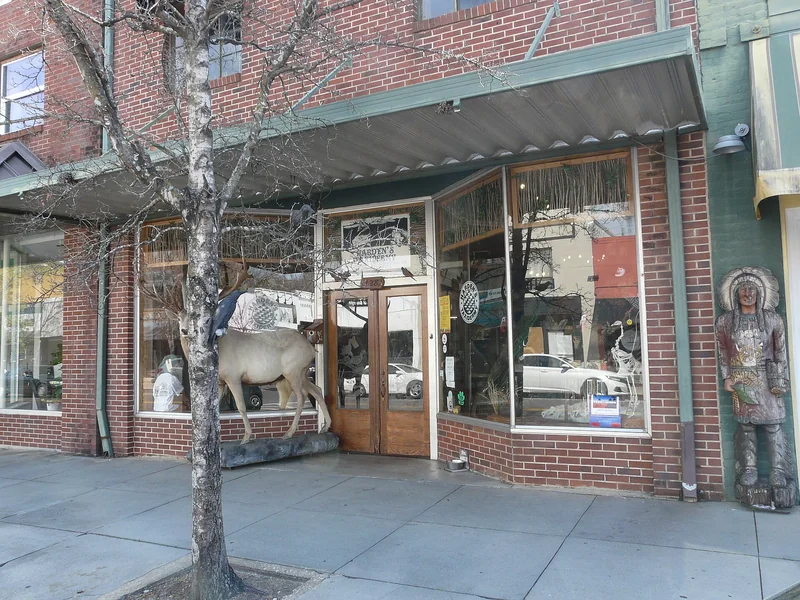
A Victorian-era commercial downtown where the 1880s brick storefronts remain in active use — independent restaurants, specialty shops, and galleries line Broad Street. The city's quail hunting culture draws well-off visitors who fund strong local businesses.
Thomasville is a legitimate dining destination in South Georgia. Combine with the Thomasville Rose Garden and the Big Oak for a half-day visit.
Watch on YouTube · View on Google Maps
Planning Notes
Season: Most sites work year-round. Atlanta's indoor attractions are comfortable in any season. North Georgia mountain sites peak in May for wildflowers and October for fall foliage. Coastal sites are best in spring and fall; summer is hot and humid statewide.
Driving: Georgia is large. North Georgia to Savannah is about 4 hours; Atlanta to Brunswick is 5. Plan trips around one region. Atlanta-to-Dahlonega-to-Blue Ridge is a strong 2-day circuit. Savannah-to-Jekyll Island-to-Tybee Island covers the coast in 2 days.
Budget: Most historic downtowns, parks, and outdoor sites are free. Major paid admissions: Georgia Aquarium, World of Coca-Cola, Rock City, Blue Ridge Scenic Railway. Check current pricing before visiting.
Plan your visit: Explore city guides for every destination in this article: Atlanta, Dahlonega, Blue Ridge, Clarkesville, Gainesville, Toccoa, Columbus, Augusta, Glynn County, Thomasville.