Augusta is Georgia's second-largest city and home of Augusta National Golf Club — site of The Masters, the only major golf championship played at the same course each year since 1934. The Masters Tournament at Augusta National draws international attention every April, but the city's depth runs considerably further: a working 19th-century canal with 7 miles of trail, a vaulted Catholic cathedral turned cultural center, and the childhood home of a US president. These 10 attractions cover Augusta's full range — from the famous golf club entrance to a 1,100-acre urban swamp.
9 destinations selected from a curated US travel dataset — prioritized by regional distribution, visitor significance, and independent research. Must-see and Worth-the-detour ratings reflect relative value within Georgia.
Jump to: Augusta National & Riverwalk · Historic Downtown · Augusta Canal & Outdoors · History Museums · Planning Notes · Also worth visiting
Augusta National & Riverwalk
Augusta National Golf Club Exterior (Masters Tournament) Must-see

Richmond County · Augusta
The home of The Masters Tournament — held every April since 1934, the only major golf championship played at the same course each year — founded in 1933 by Bobby Jones and Clifford Roberts on the site of a former plant nursery. The course was designed by Alister MacKenzie. The Masters Tournament has been held here every April since 1934 — the only major golf tournament played at the same course each year. The club is not open to the public. The entrance gate and the magnolia-lined Magnolia Lane are visible from Washington Road (2604 Washington Rd) year-round. Masters tickets are allocated by lottery only.
Right for golf fans and sports history travelers; meaningful even from outside the gate. Non-golfers will find less reason to make a special trip.
Watch on YouTube · View on Google Maps
Riverwalk Augusta Must-see
Richmond County · Augusta
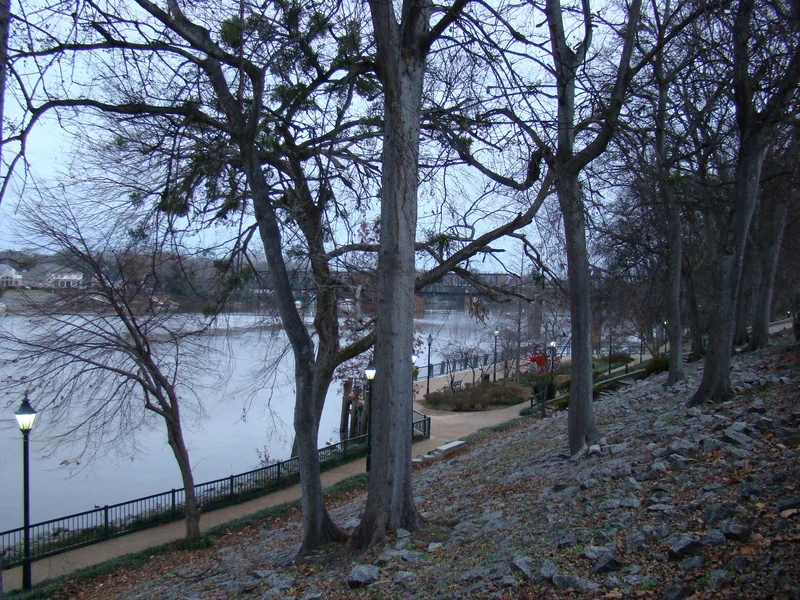
A 10-block levee park along the Savannah River in downtown Augusta, with views across the water to North Augusta, South Carolina. The park includes an outdoor amphitheater, picnic areas, and the Jessye Norman Amphitheater (named for the Augusta-born opera singer). The Augusta-Richmond County Museum complex sits adjacent. Walking distance from Broad Street and the canal entrance. Free, open daily.
Right for all downtown visitors as a pleasant orientation walk; connects the canal and Broad Street in a single river-edge loop.
Watch on YouTube · View on Google Maps
Historic Downtown
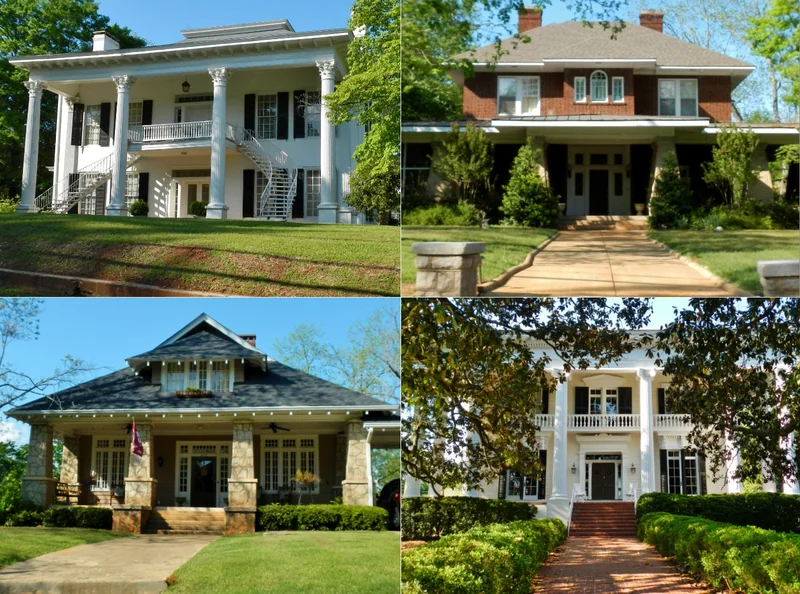
Broad Street Historic District Worth the detour
Richmond County · Augusta
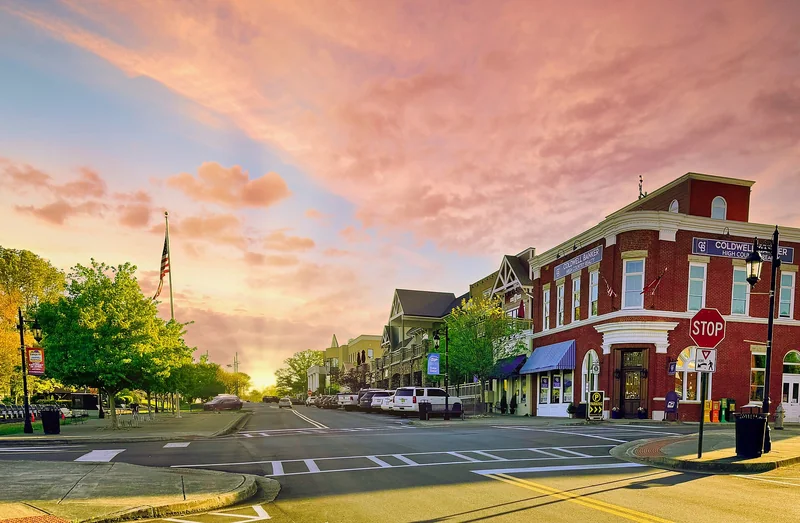
The main commercial corridor of historic downtown Augusta — a wide boulevard lined with 19th and early 20th-century commercial buildings from 7th Street to 13th Street. James Brown's statue stands at Broad and 9th Street. The district has restaurants, independent retailers, and galleries alongside the historic storefronts. A short walk connects Broad Street to both the Riverwalk (north) and the canal district (southwest). Free to walk.
Right for all downtown visitors; the James Brown statue and the building stock are the main draws. A natural connector between the Riverwalk and the canal district.
Watch on YouTube · View on Google Maps
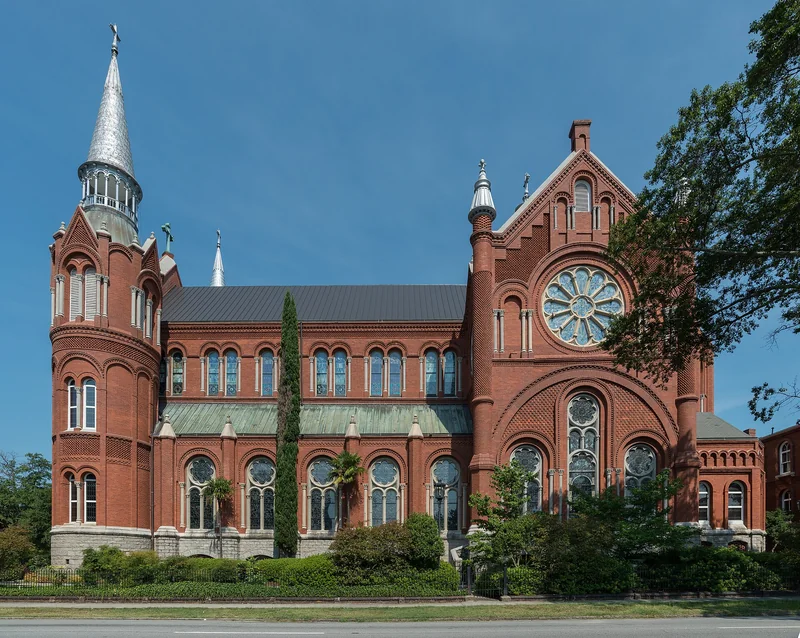
Sacred Heart Cultural Center Must-see
Richmond County · Augusta
A former Roman Catholic church (1900) on Greene Street, now a cultural event and wedding venue. Gothic Revival exterior with Romanesque interior elements — the nave has 86-foot vaulted ceilings and some of the finest stained glass in Georgia. The twin towers are visible from much of downtown Augusta. Open for self-guided tours during daytime hours; call ahead to confirm access as the building closes for private events. The nave's 86-foot vaulted ceiling, original hand-painted stained glass, and ironwork have been intact since 1900.
Right for architecture and religious art enthusiasts; the stained glass and 86-foot vaulted interior are among the finest in Georgia. Call ahead — private events close it without notice.
Watch on YouTube · View on Google Maps
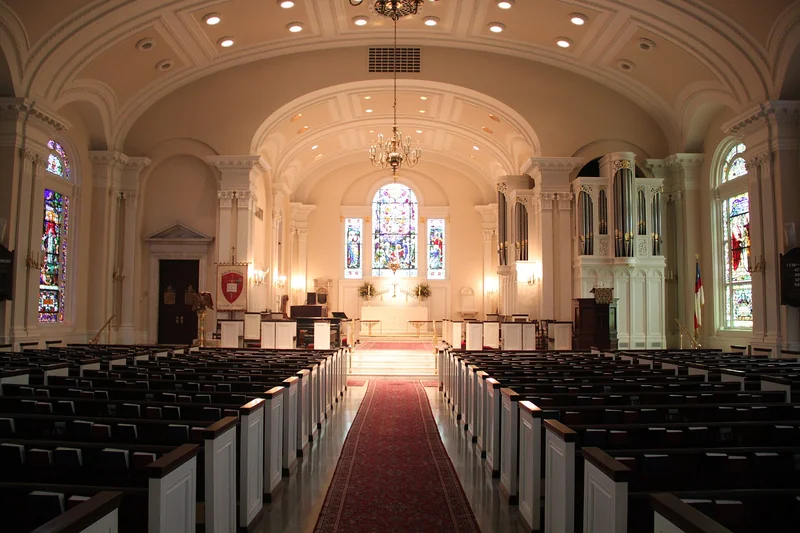
St. Paul's Episcopal Church Augusta Worth the detour
Richmond County · Augusta
The mother church of the Episcopal Diocese of Georgia, with a congregation dating to 1750 — one of the oldest in the state. The current stone building dates to 1919. Located adjacent to the Augusta Canal Discovery Center and the St. Paul's Historic District. The churchyard contains markers for prominent Augusta families from the 18th century onward. Free to enter during services; exterior and grounds accessible daily.
Right for visitors interested in colonial-era Georgia history; the churchyard is the highlight. A brief 20-minute stop; most visitors fit it into a downtown loop.
Watch on YouTube · View on Google Maps
USA Travel Planner — Google Sheets
One purchase. Every US state. Forever.
A pre-filled travel dashboard for every US state — we are actively building them out.
- 75+ curated attractions — pre-researched for you
- Built-in budget tracker (countdown, expenses, remaining)
- Step-by-step planning tabs
- Buy once — get all future states free as they launch
Augusta Canal & Outdoors
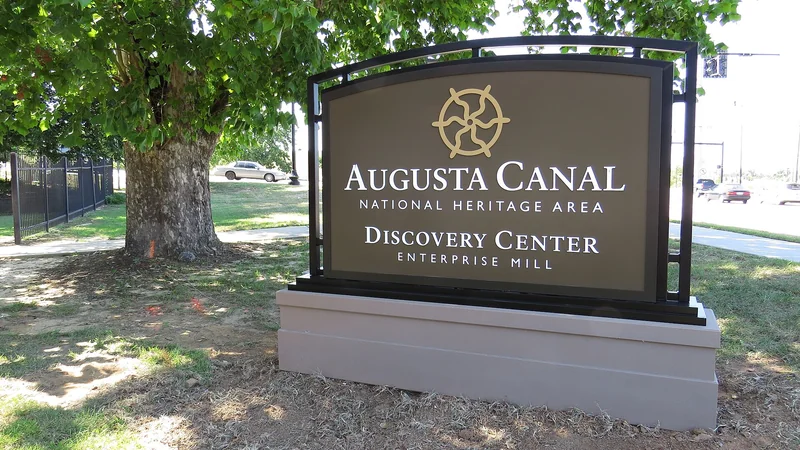
Augusta Canal National Heritage Area Must-see
Richmond County · Augusta
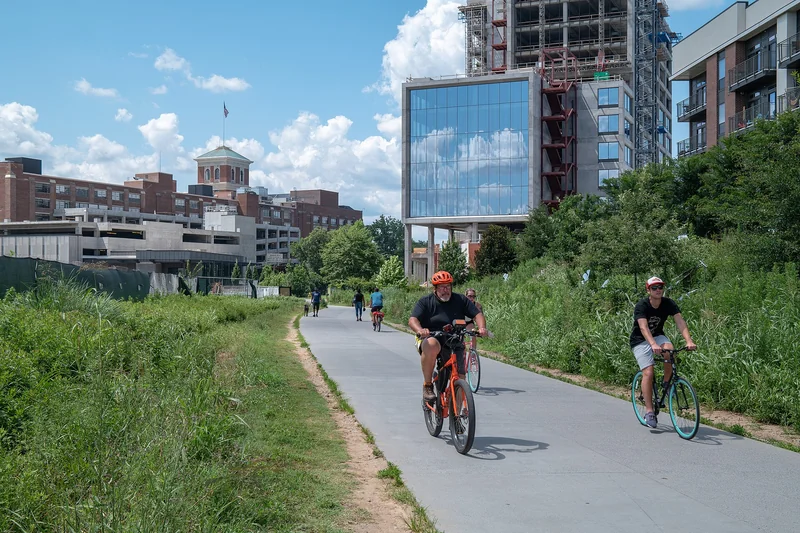
A 7-mile canal built in 1845 to power textile mills and transport goods — the only antebellum industrial canal still carrying functional water in the United States. The towpath is an 8-mile paved trail for walking, running, and cycling. Canal boat tours depart from the Augusta Canal Discovery Center inside the historic Enterprise Mill at 1450 Greene Street — the same mill the canal powered for 150 years. The Heritage Area covers three levels of the original canal system. Towpath free; boat tours paid.
Right for outdoor and industrial history travelers; the towpath is the best multi-hour activity in Augusta. The canal boat tour adds the most context for visitors who want the history explained.
Watch on YouTube · View on Google Maps
Phinizy Swamp Nature Park Worth the detour
Richmond County · Augusta
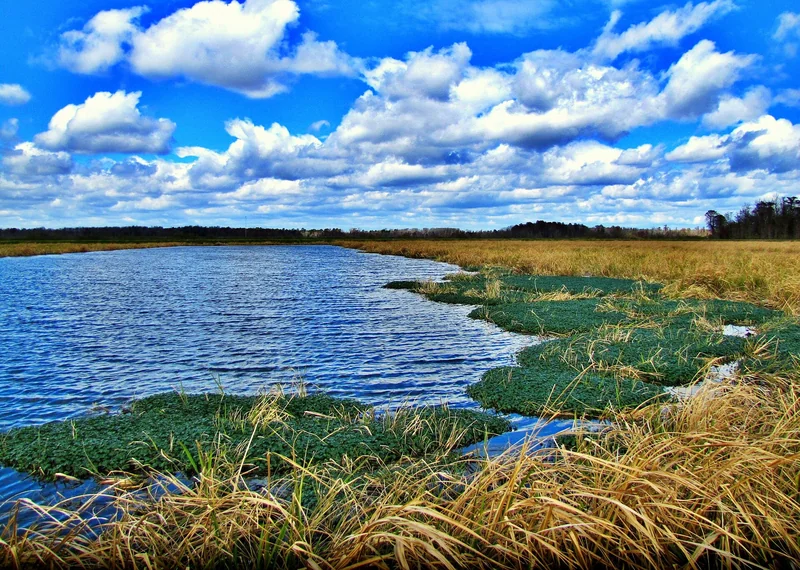
A 1,100-acre urban wetlands in south Augusta with 8 miles of boardwalk and natural surface trails through bottomland hardwood forest and open marsh. The Phinizy Center for Water Sciences operates on the property and uses it for environmental research. Strong bird-watching destination — over 160 species documented. An unexpected green space in an industrial section of the city. Free, open daily 7am to dusk.
Right for birders, nature walkers, and visitors wanting something outside the historic district; an unexpected find in an industrial section of the city. The low foot traffic is the appeal.
Watch on YouTube · View on Google Maps
History Museums
Augusta Museum of History Worth the detour
Richmond County · Augusta
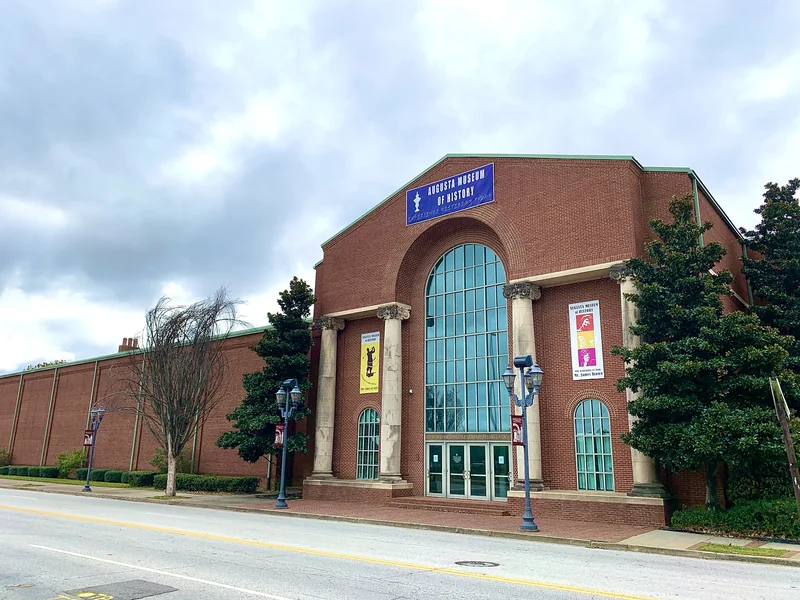
A regional history museum at 560 Reynolds Street covering 12,000 years of Augusta-area history — from Paleo-Indian habitation through the city's role in the American Revolution, Civil War, and industrial canal era. Permanent exhibitions include a full-scale cotton gin replica, a railroad exhibit, and a notable James Brown collection covering the Augusta-born soul musician's career and cultural impact. Paid admission.
Right for visitors wanting local context before exploring downtown Augusta; the James Brown collection is the strongest exhibit for general interest. A solid rainy-day option.
Watch on YouTube · View on Google Maps
Boyhood Home of President Woodrow Wilson Worth the detour
Richmond County · Augusta
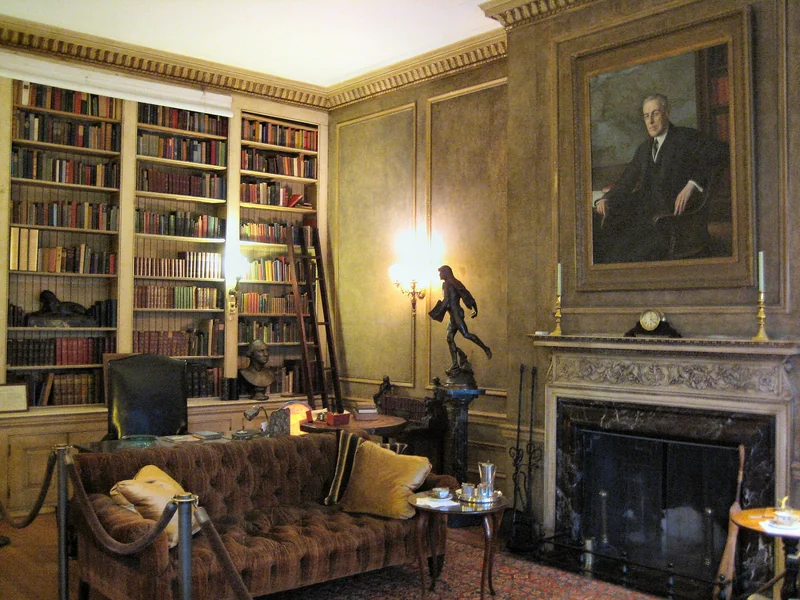
The house at 419 Seventh Street where Woodrow Wilson (28th president of the United States) lived from ages 2 to 14, from 1858 to 1870, while his father served as pastor of First Presbyterian Church. One of only a handful of US presidential childhood homes open to the public. The interior is restored to its 1860s appearance with period furnishings. Guided tours walk through the family rooms with commentary on Wilson's early life in Augusta. Paid admission; tours on a schedule.
Right for presidential history enthusiasts and visitors with a full Augusta day; one of very few US presidential childhood homes open to the public. Skip if the itinerary is tight.
Watch on YouTube · View on Google Maps
Planning Notes
Where to stay: Downtown Augusta hotels are closest to the Riverwalk, canal, and Broad Street. Options within 50 miles of Augusta National fill a year in advance during Masters week and charge several times normal rates — avoid that week entirely unless attending the tournament.
Book ahead: Masters Tournament tickets are lottery-only through Augusta National's website — apply the prior fall. Canal boat tours run on a set schedule; call the Discovery Center ahead to confirm availability. Nothing else in Augusta requires advance booking.
Getting around: Downtown Augusta is walkable from the Riverwalk north through Broad Street to the canal district. Phinizy Swamp Nature Park is 5 miles from downtown and requires a car. The 8-mile canal towpath is bike-friendly from the Discovery Center out.