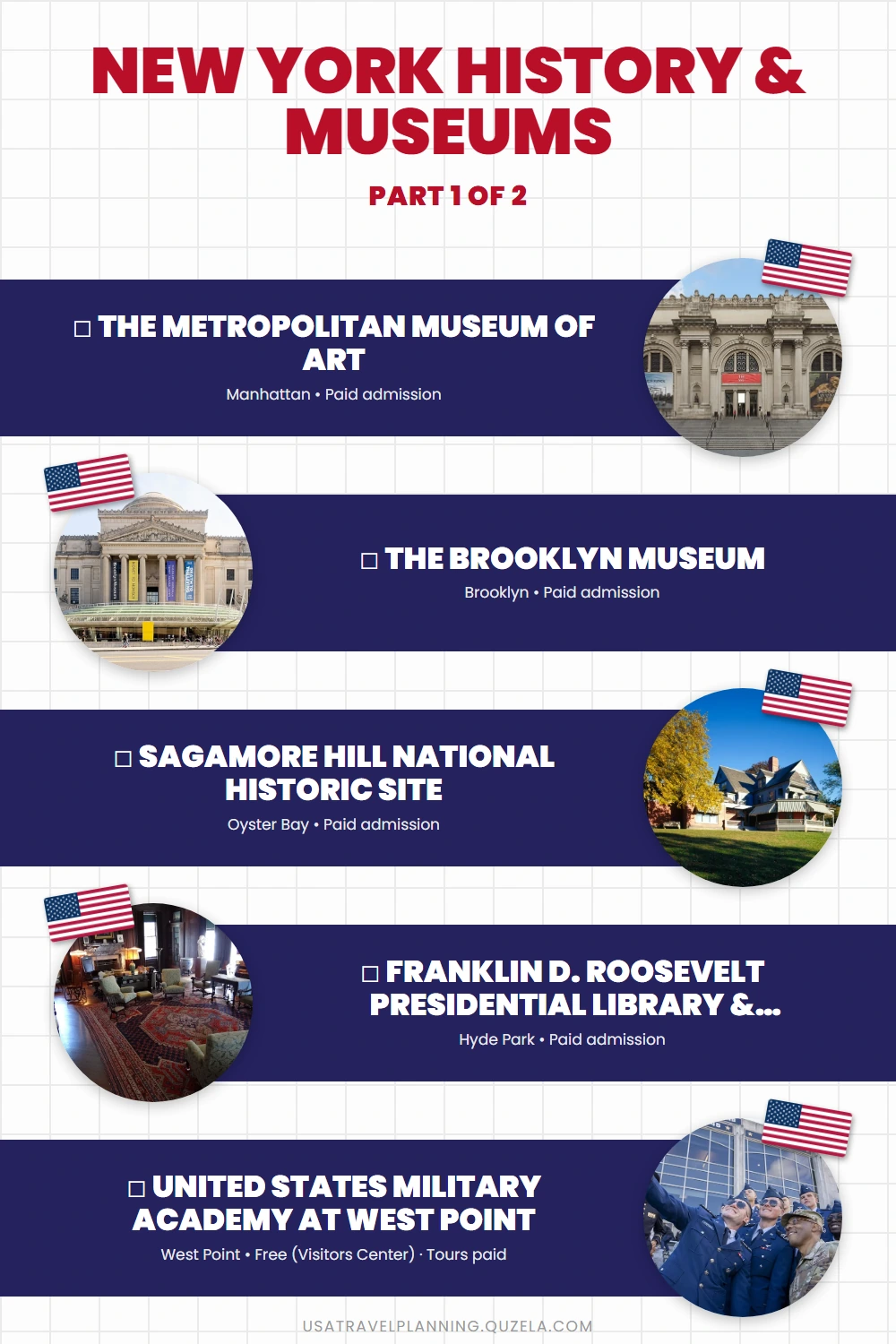
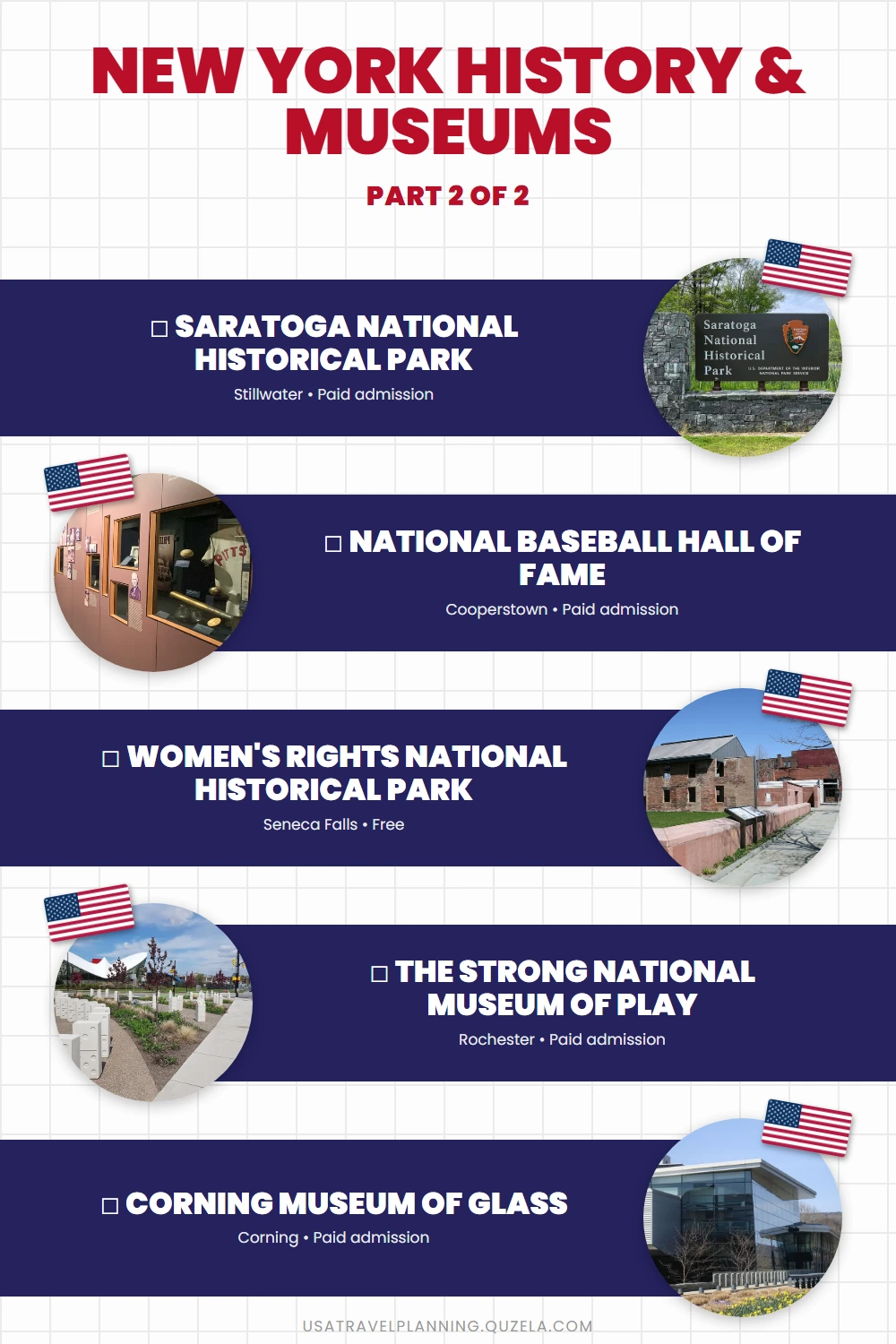
New York State has served as the stage for an outsized share of American history. A Revolutionary War turning point, the birthplace of the women's suffrage movement, the country's oldest continuously operating military academy, and the first presidential library — all within a day's drive of each other.
This guide covers the best history museums and historic sites across the state, drawn from curated travel research and organized so you can pair sites that make geographic sense.
10 destinations selected from a curated US travel dataset — prioritized by regional distribution, visitor significance, and independent research. Must-see and Worth-the-detour ratings reflect relative value within New_york.
Jump to: NYC & Long Island · Hudson Valley · Capital Region & Central New York · Finger Lakes · Planning Notes
NYC & Long Island
The Metropolitan Museum of Art Must-see
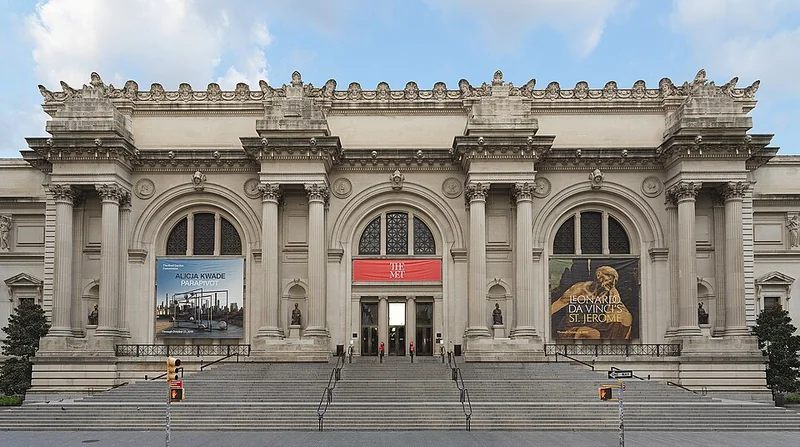
New York County · Manhattan
The largest art museum in the Western Hemisphere, with 2 million objects spanning 5,000 years across 17 curatorial departments. The Fifth Avenue building covers 2 million square feet — a full visit requires multiple days. The Egyptian Wing (complete with a 2,000-year-old temple transported from Aswan), the Arms and Armor gallery, and the European Paintings collection from the medieval period through Impressionism are the strongest standalone draws.
The suggested admission fee is pay-what-you-wish for New York State residents and students. Plan on at least 3 hours for a single wing. Reserve timed-entry tickets for special exhibitions. The roof garden (open May–October) has city views worth a separate visit.
Watch on YouTube · View on Google Maps
The Brooklyn Museum Must-see
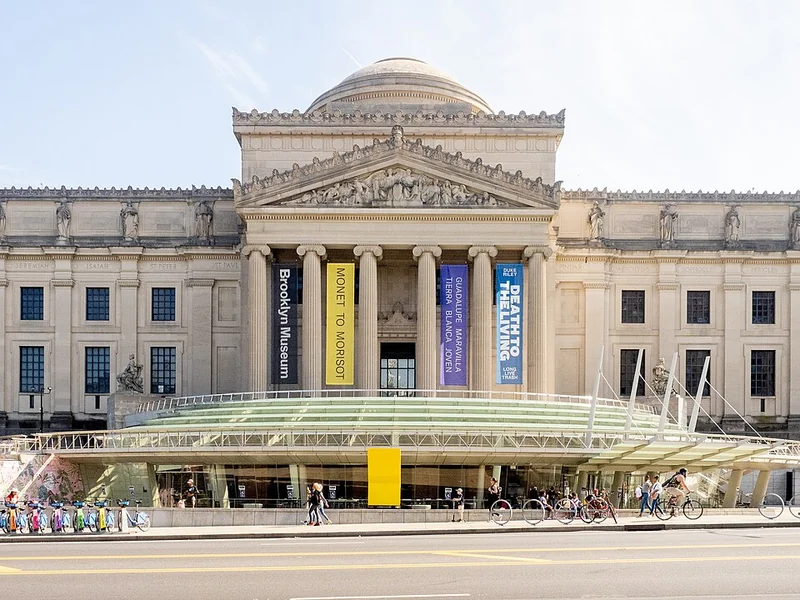
Kings County · Brooklyn
560,000 objects in a Beaux-Arts building in Crown Heights, with particularly strong collections in Egyptian art (the Wilbour Collection is one of the world's best), ancient Near Eastern artifacts, and American decorative arts. The first-Saturday evening events are free and draw large crowds; daytime weekday visits are significantly less congested.
The Brooklyn Museum is 10 minutes from the Manhattan Museum Mile but consistently overlooked in favor of it. The Egyptian collection alone justifies the trip — 1,600+ objects including complete mummy cases and a reconstructed tomb chapel from 2050 BCE.
Watch on YouTube · View on Google Maps
Sagamore Hill National Historic Site (Theodore Roosevelt Home) Must-see
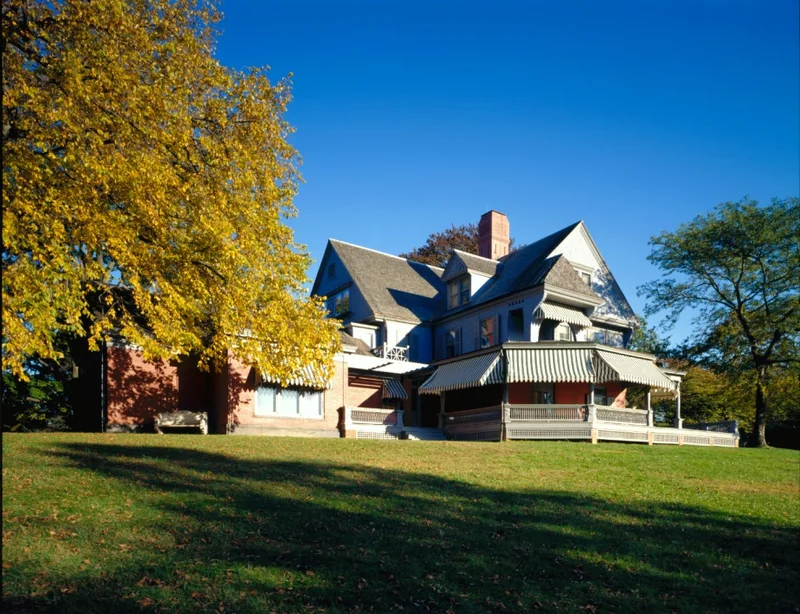
Nassau County · Oyster Bay
Theodore Roosevelt's personal home from 1885 until his death in 1919 — 23 rooms on 83 acres in Oyster Bay on Long Island's North Shore. During his presidency, TR conducted so much government business from here that journalists called it the "Summer White House." The house interior is preserved as Roosevelt left it: trophy heads, hunting trophies, and thousands of books. The adjacent Old Orchard House serves as a visitor center and museum.
House tours run daily (timed tickets required; capacity is limited). Allow at least 2 hours. Oyster Bay village, 3 miles away, has good restaurants and TR's gravesite at Youngs Memorial Cemetery.
Watch on YouTube · View on Google Maps
Hudson Valley
Franklin D. Roosevelt Presidential Library & Museum Must-see
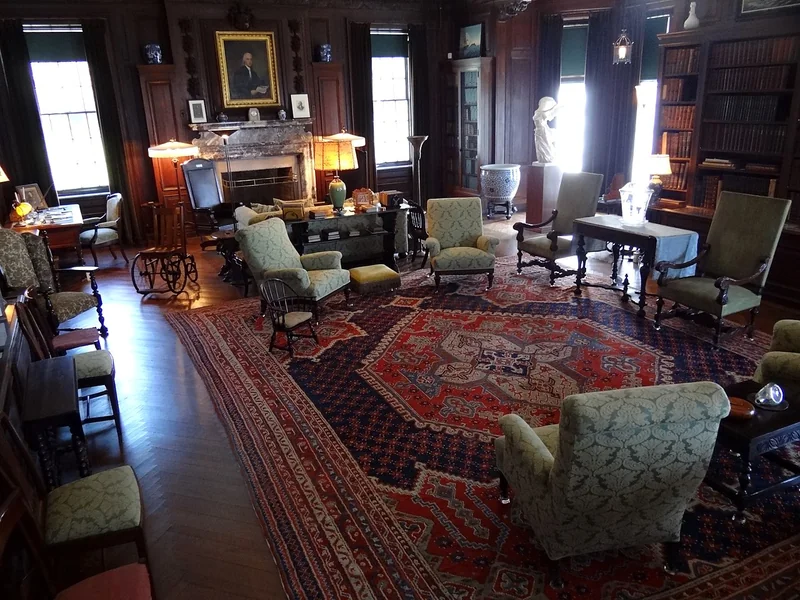
Dutchess County · Hyde Park
The first presidential library in the United States, opened by FDR himself in 1941. The 40,000-square-foot facility contains Roosevelt's papers, gifts from foreign heads of state, and exhibits on the New Deal, World War II, and Eleanor Roosevelt's parallel career. FDR and Eleanor are buried in the Rose Garden on the estate grounds.
The adjacent Springwood mansion (FDR's childhood home) is included with admission, as is Val-Kill, Eleanor Roosevelt's separate cottage 2 miles away. Budget a full day for all three sites — they're distinct experiences. The library is a National Archives facility; the research archives are open to scholars.
Watch on YouTube · View on Google Maps
United States Military Academy at West Point Must-see

Orange County · West Point
Founded in 1802 as the country's first military college, West Point sits on a rocky bluff above the Hudson River where the river makes a sharp S-curve — the most strategically important point on the river during the Revolution. The campus covers 4,400 acres with Gothic and Gothic Revival stone buildings built over 200 years. The West Point Museum (free) covers the full history of the academy and the American military, with collections including captured Nazi weapons and Revolutionary War artifacts.
Full campus tours run daily from West Point Tours Inc. (about $20 per person; register in advance). Game-day football tickets are available to civilians. The Cadet Chapel's nave, completed in 1910, is the largest collegiate chapel in the world.
Watch on YouTube · View on Google Maps
USA Travel Planner — Google Sheets
One purchase. Every US state. Forever.
A pre-filled travel dashboard for every US state — we are actively building them out.
- 75+ curated attractions — pre-researched for you
- Built-in budget tracker (countdown, expenses, remaining)
- Step-by-step planning tabs
- Buy once — get all future states free as they launch
Capital Region & Central New York
Saratoga National Historical Park (Battles of Saratoga) Must-see
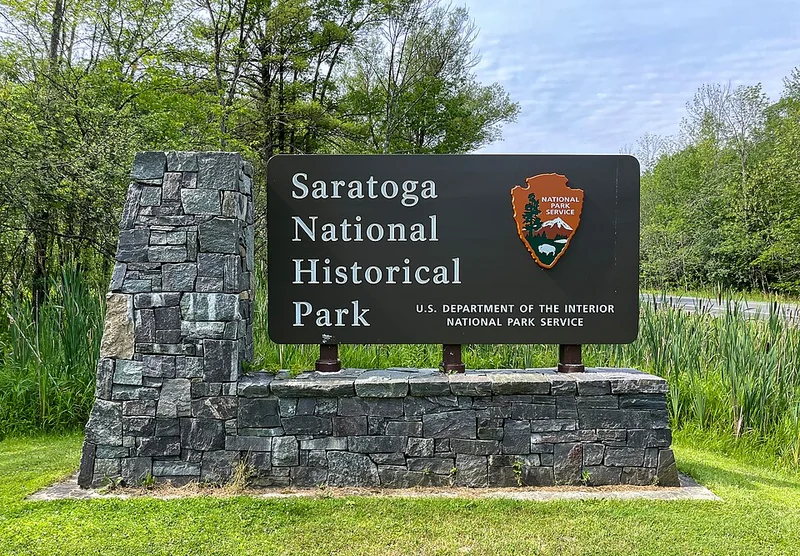
Saratoga County · Stillwater
The two Battles of Saratoga (September and October 1777) ended with the surrender of British General Burgoyne's entire army — the decisive victory that convinced France to enter the war as an American ally. The park covers 3,400 acres with a 9.5-mile one-way auto tour road and 4.5 miles of walking trails through the actual fields where the fighting took place. The Boot Monument near the Freeman Farm is a quirky piece of history: it commemorates Benedict Arnold's leg wound (before he defected) without naming him.
The Visitor Center has a detailed orientation film and artifact exhibits. The battlefield is best understood with a ranger-led walking tour — check the schedule for departure times. A second unit at Schuylerville, 8 miles north, preserves the Saratoga Monument and the site of Burgoyne's surrender.
Watch on YouTube · View on Google Maps
National Baseball Hall of Fame Must-see
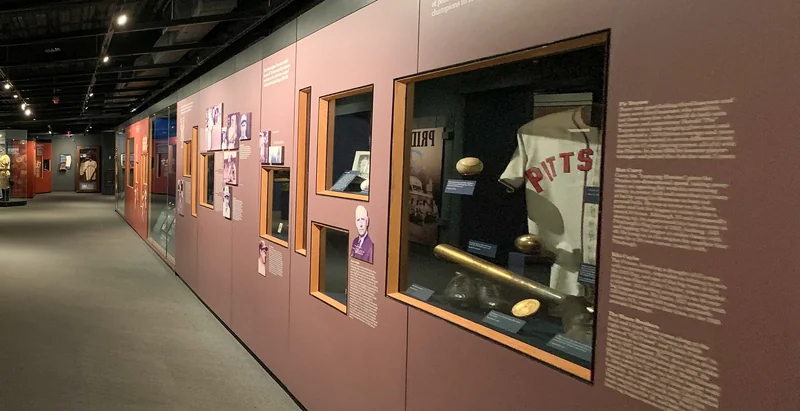
Otsego County · Cooperstown
Cooperstown's Baseball Hall of Fame opened in 1939 and has inducted over 340 players, managers, and executives. The museum covers 60,000 square feet with a Plaque Gallery, World Series trophy display, Negro Leagues exhibit, and rotating special exhibitions. The Sandlot Kids' Clubhouse makes it more accessible for younger visitors than most sports museums.
Cooperstown is a small village of 1,800 people — the Hall of Fame is its entire identity. Plan to arrive and stay overnight if possible: Induction Weekend in late July (2–3 days before the ceremony) is extremely crowded and sells out local lodging. The rest of the year is manageable. Doubleday Field across the street still hosts games.
Watch on YouTube · View on Google Maps
Finger Lakes
Women's Rights National Historical Park Must-see
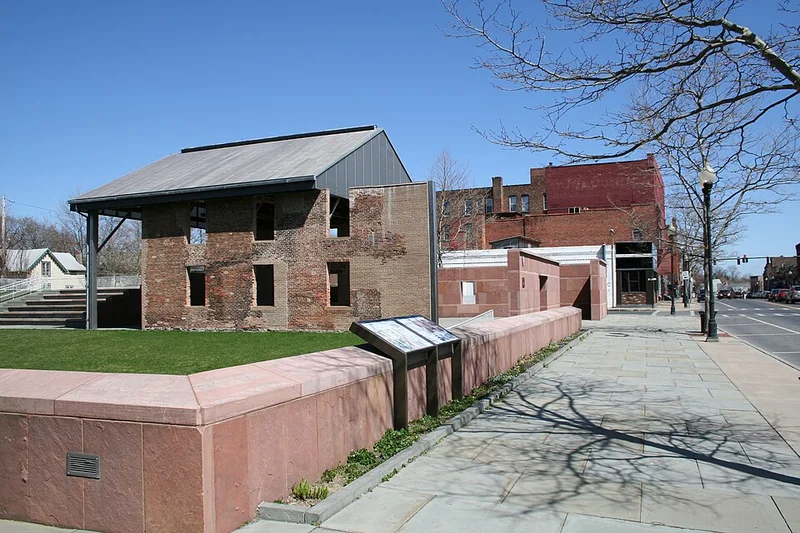
Seneca County · Seneca Falls
The first Women's Rights Convention met at the Wesleyan Chapel in Seneca Falls on July 19–20, 1848, where Elizabeth Cady Stanton drafted the Declaration of Sentiments demanding voting rights for women. The National Park Service preserves the chapel ruins, the M'Clintock House (where the Declaration was written), and the Visitor Center with exhibits on the 72-year campaign to the 19th Amendment.
Admission to the Visitor Center is free. The chapel structure is open for self-guided tours; ranger programs run daily in summer. Seneca Falls was also a significant station on the Underground Railroad — the Elizabeth Cady Stanton House (separate, operated by a preservation trust) is 0.4 miles away and tours by appointment.
Watch on YouTube · View on Google Maps
The Strong National Museum of Play Must-see
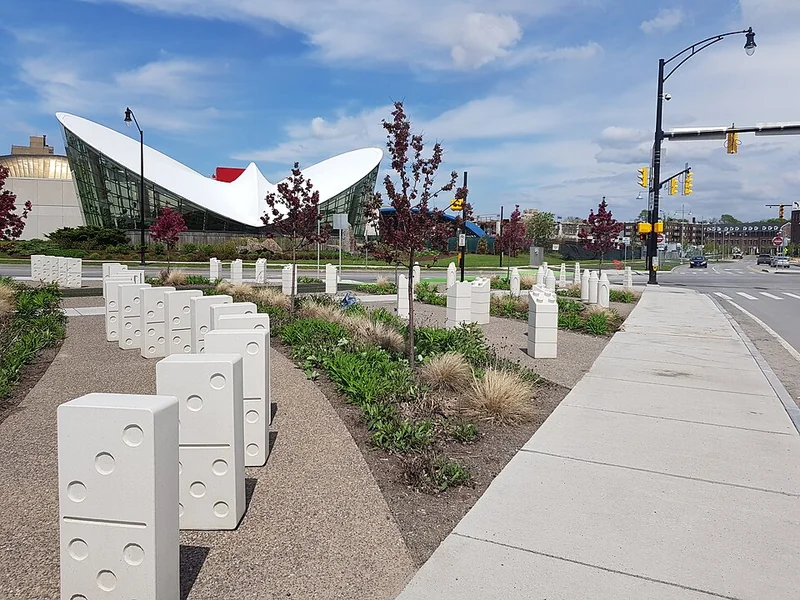
Monroe County · Rochester
The world's largest collection dedicated to play: 500,000 artifacts including board games, video games, toys, and dolls, plus the National Toy Hall of Fame (108 inductees through 2025) and the World Video Game Hall of Fame. The 282,000-square-foot facility is interactive throughout — designed for children but detailed enough to hold adult interest, especially in the vintage game collection.
Located in downtown Rochester, the Strong is the strongest single family-focused attraction in upstate New York. Plan 3–4 hours minimum. The Butterfly Garden is an add-on for an additional fee. Rochester's food scene (Wegmans is headquartered here) makes it a worthwhile overnight destination.
Watch on YouTube · View on Google Maps
Corning Museum of Glass Must-see

Steuben County · Corning
The world's largest glass collection: 50,000+ objects spanning 3,500 years of glassmaking history across 14 galleries. The Contemporary Art + Design wing displays work from the last 50 years. Daily hot glass demonstrations run in the GlassMarket Studio — 20-minute shows where staff glassblowers explain and demonstrate techniques, free with admission.
Visitors can make their own glass (flameworking or pressing) at the Innovation Center stations for an additional fee ($20–25). The museum is in Corning, a small city of 11,000 in Steuben County at the southern end of the Finger Lakes wine region — easily combined with a Watkins Glen or wine trail itinerary.
Watch on YouTube · View on Google Maps
Planning Notes
Booking ahead: Sagamore Hill house tours have limited daily capacity — book online in advance, especially for summer weekends. Saratoga Battlefield ranger tours fill on weekends; arrive before the listed departure time. The Baseball Hall of Fame is walk-in; Induction Weekend in late July is the exception and should be booked months ahead.
Combining sites: FDR Library and West Point are both on the Hudson River and make a logical two-day itinerary. Saratoga Battlefield pairs naturally with Saratoga Springs. Corning Museum and Watkins Glen State Park are 14 miles apart — budget a full day for both.
Plan your visit: City guides cover the destinations in this article in detail: Manhattan for the Met and NYC history sites, Hyde Park for the FDR Library and Hudson Valley, Saratoga Springs for the Saratoga Battlefield area, Watkins Glen for the southern Finger Lakes.