Daytona Beach built its identity on speed — the first land speed records were set on the 23-mile hard-packed beach here in 1902, decades before Daytona International Speedway opened in 1959. The speedway is the primary reason most visitors come, but the Museum of Arts and Sciences 6 miles away holds a world-class Florida art collection that surprises most first-timers. Both are within 30 minutes of the Atlantic beach.
2 destinations selected from a curated US travel dataset — prioritized by regional distribution, visitor significance, and independent research. Must-see and Worth-the-detour ratings reflect relative value within Florida.
Jump to: Motor Sports · Arts & Museums · Planning Notes · Also worth visiting
Motor Sports
Daytona International Speedway Must-see
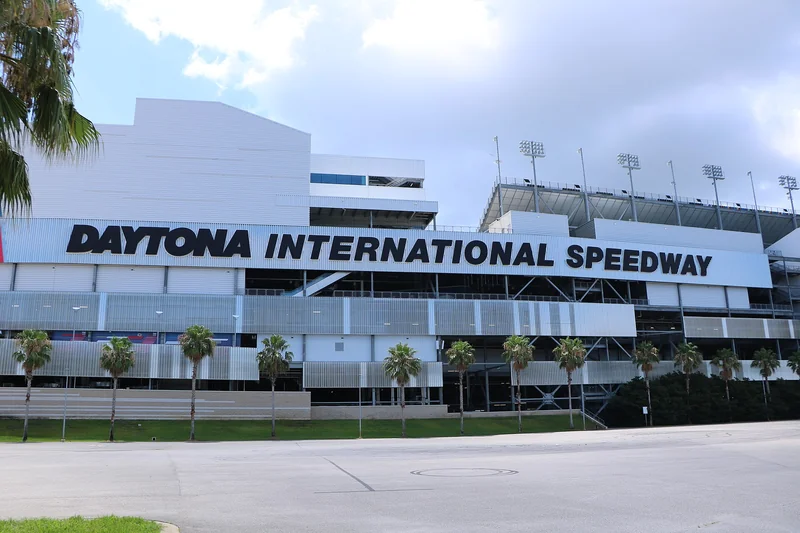
Volusia County · Daytona Beach
Daytona International Speedway is a 2.5-mile superspeedway that opened on February 22, 1959 — replacing the beach road course that had run land speed record attempts and races on the hardpacked Atlantic sand since 1902. The track seats 101,500 and hosts the Daytona 500 each February, the first and most prestigious race on the NASCAR Cup Series calendar. A complete renovation project called DAYTONA Rising, finished in 2016 at a cost of $400 million, rebuilt the entire frontstretch grandstand with wider seats, improved sight lines, and five fan experience zones.
Year-round tours run on non-event days and take visitors onto pit road, behind the scoring tower, and through Victory Lane — areas inaccessible on race weekends. The DAYTONA 500 Experience (the infield visitors center) includes a racing simulator and exhibits on NASCAR history. Tour tickets are $28 per adult and $18 for children 6–12; check the speedway website before visiting to confirm the schedule around race events. The speedway is at 1801 W International Speedway Boulevard, 1 mile west of the Atlantic beach.
Right for NASCAR fans and motorsports history enthusiasts; the year-round facility tour puts you on pit road and in Victory Lane with no race required. Essential for anyone with even casual interest in American racing culture.
Watch on YouTube · View on Google Maps
USA Travel Planner — Google Sheets
One purchase. Every US state. Forever.
A pre-filled travel dashboard for every US state — we are actively building them out.
- 75+ curated attractions — pre-researched for you
- Built-in budget tracker (countdown, expenses, remaining)
- Step-by-step planning tabs
- Buy once — get all future states free as they launch
Arts & Museums
Museum of Arts and Sciences (MOAS) Must-see
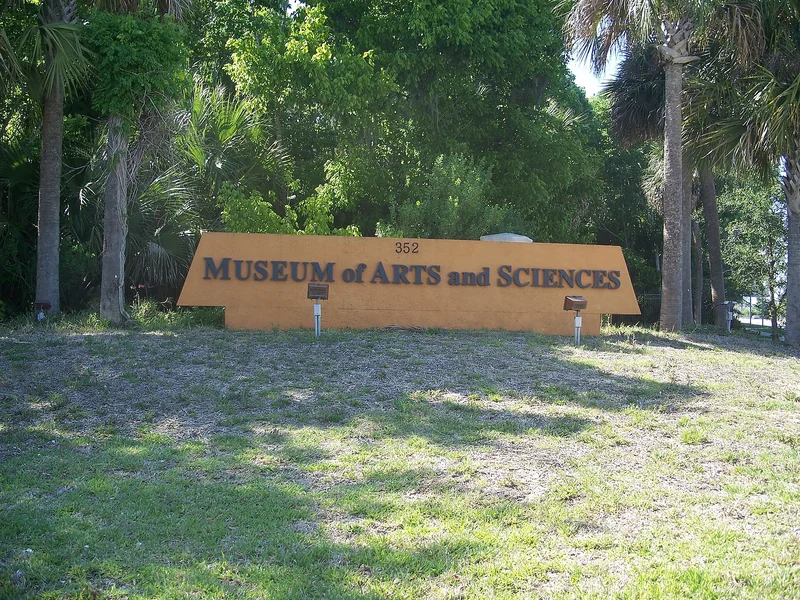
Volusia County · Daytona Beach
The Museum of Arts and Sciences (MOAS) in Daytona Beach is a 90,000-square-foot facility with 19 permanent galleries covering art, natural history, and science. The Cici and Hyatt Brown Museum of Art, opened in 2015, holds the world's largest collection of Florida landscape painting — 2,600+ works documenting the state's natural environment from the 1800s to today, with paintings by Martin Johnson Heade and other 19th-century masters. The Cuban Museum holds 170+ works from Cuba's artistic golden age before 1959, donated by exiled Cuban families who settled in Daytona Beach.
Additional permanent galleries cover American art, African art, Chinese decorative arts, and the natural sciences. A planetarium inside the building runs scheduled shows ($4 per show). Admission to the main museum is $20 for adults, $17 for seniors, $14 for students, and free for children under 6. The museum is 6 miles southwest of Daytona International Speedway, closed Mondays.
Right for art and natural history travelers who enjoy being surprised; the world's largest Florida landscape painting collection is more impressive than the name suggests. Worth the 12-minute detour from the speedway on the same day.
Watch on YouTube · View on Google Maps
Planning Notes
Where to stay: Hotels on the Atlantic beachfront (A1A corridor) are 1 mile from the speedway and within walking distance of the beach boardwalk. The speedway area on W International Speedway Boulevard has more budget options and easier parking. MOAS is 6 miles southwest — a midpoint hotel in the Daytona Beach area reaches all three within 15 minutes.
Book ahead: Speedway tour tickets can be purchased at the gate but buying online avoids queuing. For Daytona 500 weekend in February, tickets and hotels sell out months in advance — book as early as November for race week. The Museum of Arts and Sciences does not require advance tickets.
Getting around: A car is needed for Daytona Beach — the speedway, beach, and MOAS form a triangle with no walkable connections. Plan the speedway tour in the morning (tours typically run 10am–3pm on non-race days) and MOAS in the afternoon. The Atlantic beach is a 5-minute drive east of the speedway on International Speedway Boulevard.