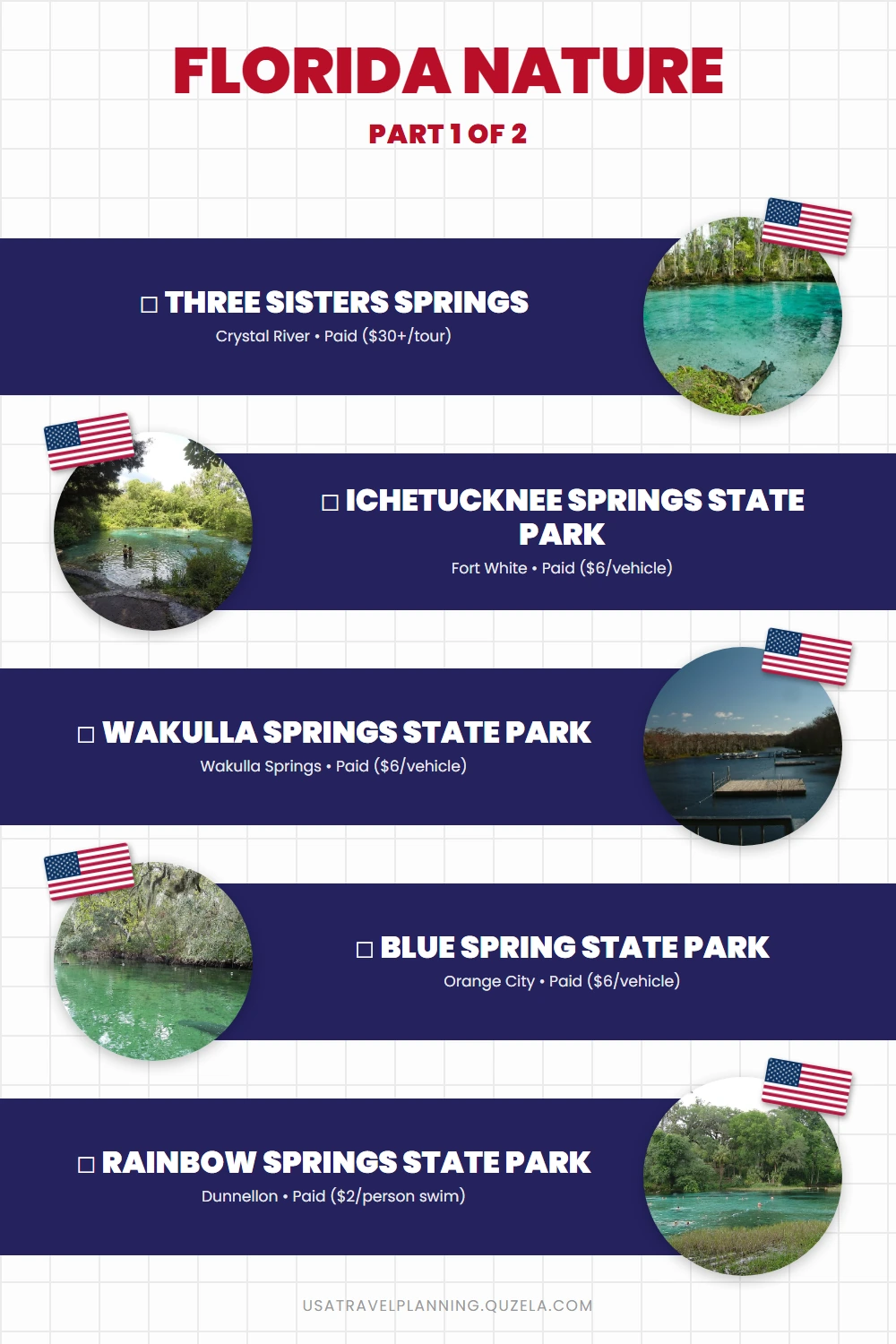
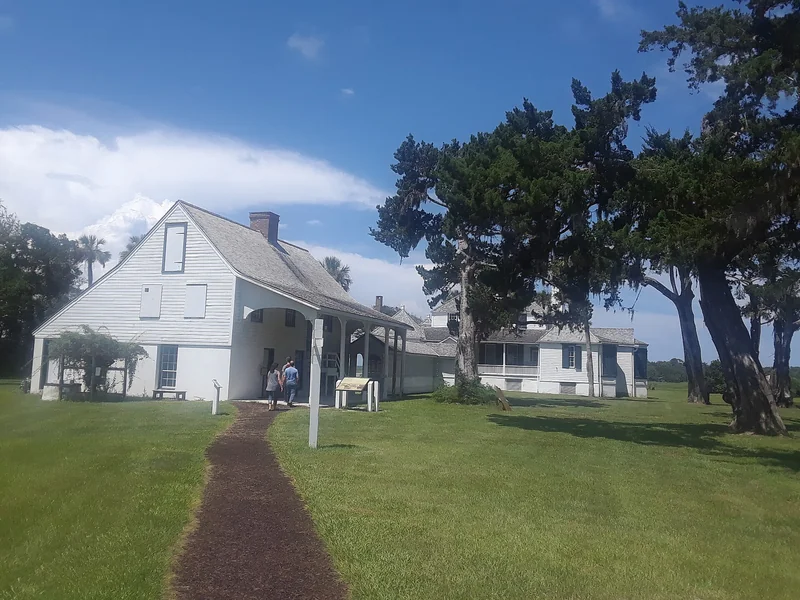
Florida's spring systems are what separate it from every other southeastern state — 700+ freshwater springs feed rivers, refuges, and swimming holes at a constant 68°F year-round. Three Sisters Springs in Crystal River is the only place in the continental US where you can legally snorkel with wild manatees under a federal permit. Ichetucknee Springs runs Florida's most popular tubing corridor at 3.5 miles; Blue Spring near Orange City draws 400+ manatees in January. For Gulf coastal wilderness, Grayton Beach and St. Joseph Peninsula are among the least developed stretches of sand on the Florida Panhandle.
10 destinations selected from a curated US travel dataset — prioritized by regional distribution, visitor significance, and independent research. Must-see and Worth-the-detour ratings reflect relative value within Florida.
Jump to: Florida Springs · Coastal & Wetland Parks · Planning Notes
Florida Springs
All five of Florida's major spring parks hold water at 68°F year-round — warm in winter, cool in summer. Each has a different character: some are best for tubing, others for manatee encounters, others for glass-bottom boat tours.
Three Sisters Springs (Crystal River NWR) Must-see
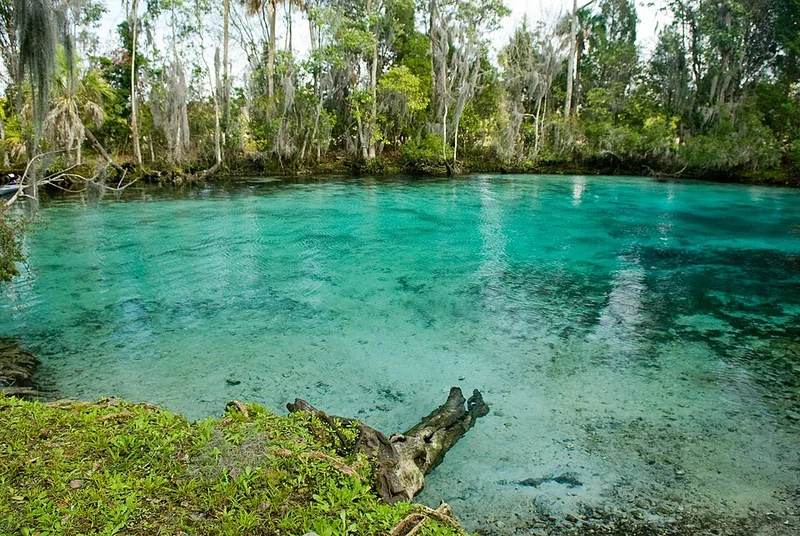
Citrus County · Crystal River
Three Sisters Springs is part of the Crystal River National Wildlife Refuge — the only place in the continental US where you can legally swim with wild manatees under a federal permit system. During winter (November–March), 200–500 manatees congregate in the springs' 72°F water, which stays warm enough that they crowd in from the colder Kings Bay. Licensed kayak and paddleboard tour operators in Crystal River provide guided access including snorkel gear; swimming is not permitted in the springs November 15–March 31 to protect resting manatees, but glass-bottom kayak viewing continues year-round. The spring entrance is 1 mile from the Crystal River waterfront by water.
Watch on YouTube · View on Google Maps
Ichetucknee Springs State Park Must-see
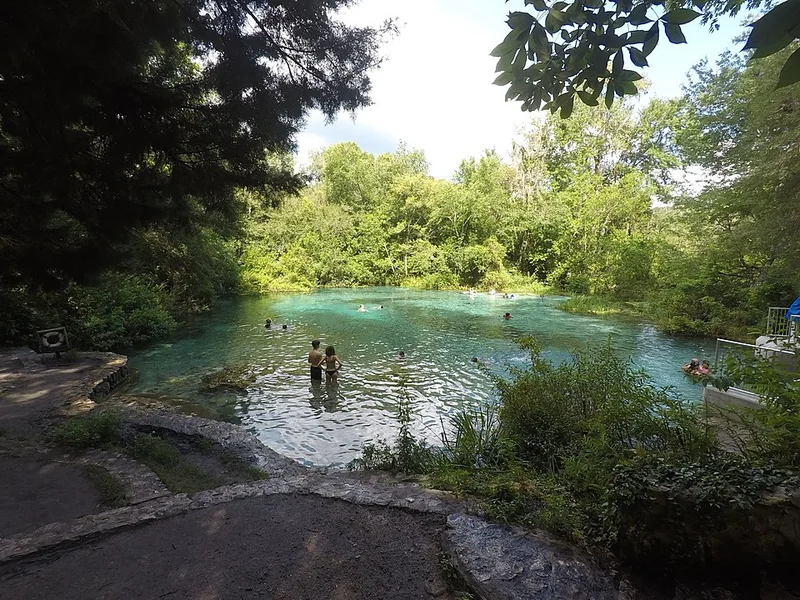
Columbia County · Fort White
The Ichetucknee River runs 3.5 miles through spring-fed limestone at 68°F before joining the Santa Fe River. Tubing is the primary activity: the full run from the north launch takes 3–3.5 hours; the south launch at Dampier's Landing covers the lower 1.8 miles in 1.5 hours. Tubing is seasonal (May 15–Labor Day); canoe and kayak access runs year-round on the full river. Daily tubing is limited to 750 visitors at the north launch and 250 at the south — arrive by 9 a.m. to guarantee entry. Tube rentals are available at vendors outside the park on US-27 south of Fort White.
Watch on YouTube · View on Google Maps
Wakulla Springs State Park Must-see
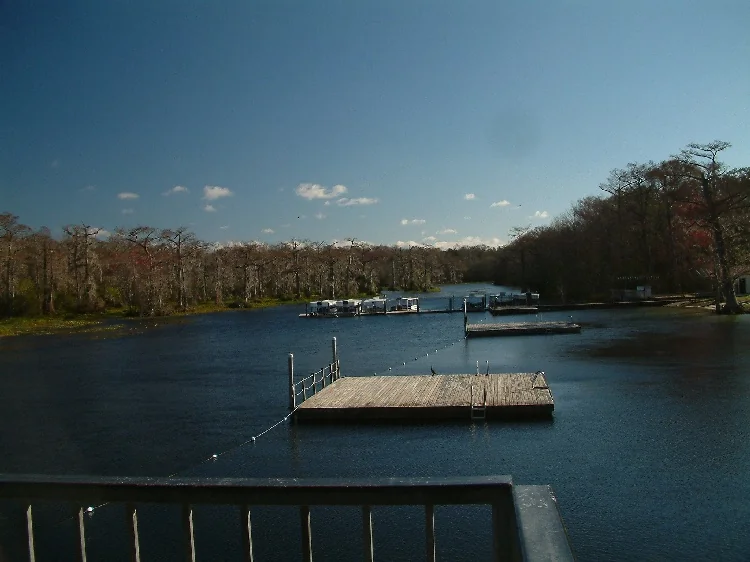
Wakulla County · Wakulla Springs
Edward Ball Wakulla Springs is one of the world's largest and deepest freshwater springs — the main vent discharges up to 400,000 gallons per minute and plunges 185 feet to the limestone vent. Glass-bottom boat tours run daily over the spring basin and up the Wakulla River; visitors regularly spot manatees, limpkins, and nesting bald eagles from the boats. Swimming is permitted in a roped area directly over the main spring vent — 68°F year-round. The 1937 Wakulla Springs Lodge on the property is a National Historic Landmark with available rooms and a full dining room. Wakulla Springs is 15 miles south of Tallahassee on SR-267.
Watch on YouTube · View on Google Maps
Blue Spring State Park (Manatee Refuge) Must-see
Volusia County · Orange City
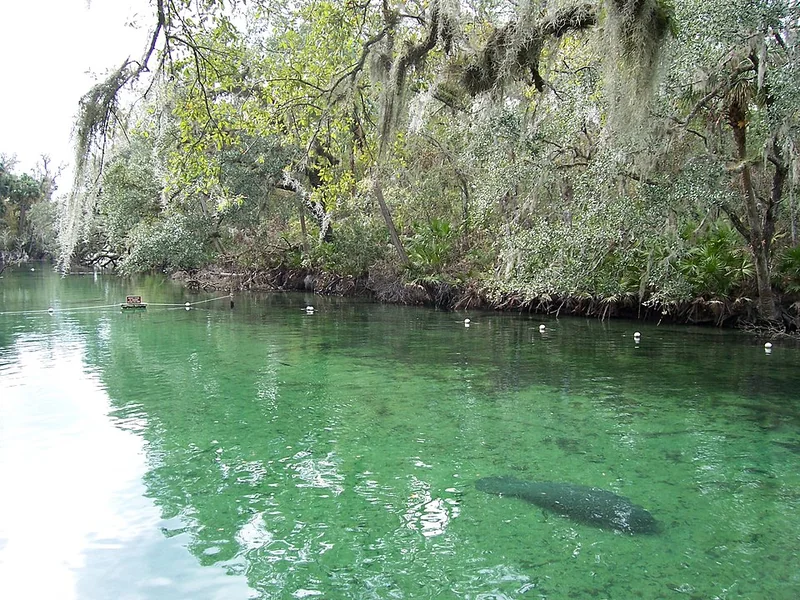
Blue Spring discharges 104 million gallons of 68°F water per day into the St. Johns River — warm enough to attract hundreds of West Indian manatees from November through March. The park posts a daily manatee count online; peak days in January see 400+ manatees resting in the spring run visible from the boardwalk. Swimming is permitted May through October only; the spring is closed to swimmers November 1–March 31 when manatees are present. Snorkeling gear is permitted during swim season. The park is 30 miles north of Orlando off I-4 at Orange City.
Watch on YouTube · View on Google Maps
Rainbow Springs State Park Must-see
Marion County · Dunnellon
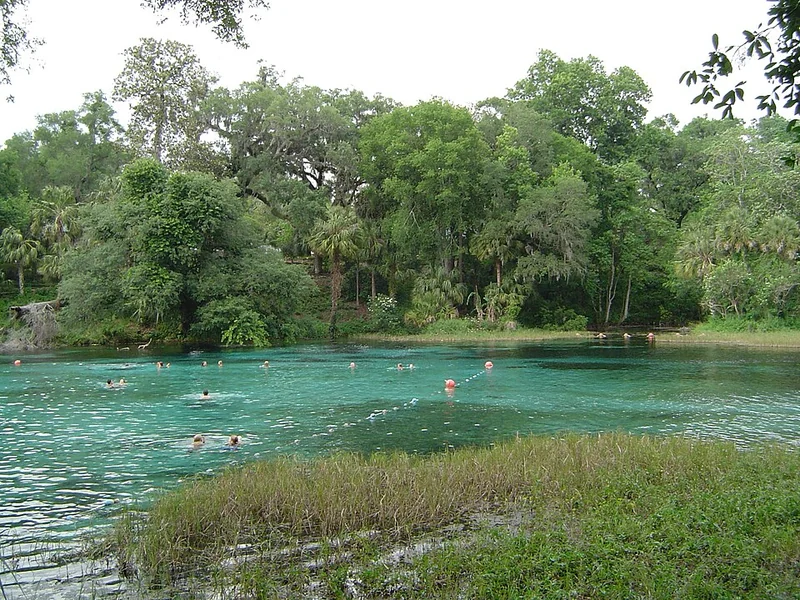
Rainbow Springs discharges 400–600 million gallons of 68°F water per day into the Rainbow River — one of the highest output springs in Florida. The tubing run covers 3.5 miles from the KP Hole County Park put-in (on SW 180th Avenue Road) to the state park's take-out; the current runs fast enough to float without paddling and takes about 2 hours. The headspring swim area inside the park costs $2/person (cash) and allows snorkeling directly in the blue spring pool. The park is 25 miles southwest of Ocala off FL-484; tube rentals available at the KP Hole concession.
Watch on YouTube · View on Google Maps
USA Travel Planner — Google Sheets
One purchase. Every US state. Forever.
A pre-filled travel dashboard for every US state — we are actively building them out.
- 75+ curated attractions — pre-researched for you
- Built-in budget tracker (countdown, expenses, remaining)
- Step-by-step planning tabs
- Buy once — get all future states free as they launch
Coastal & Wetland Parks
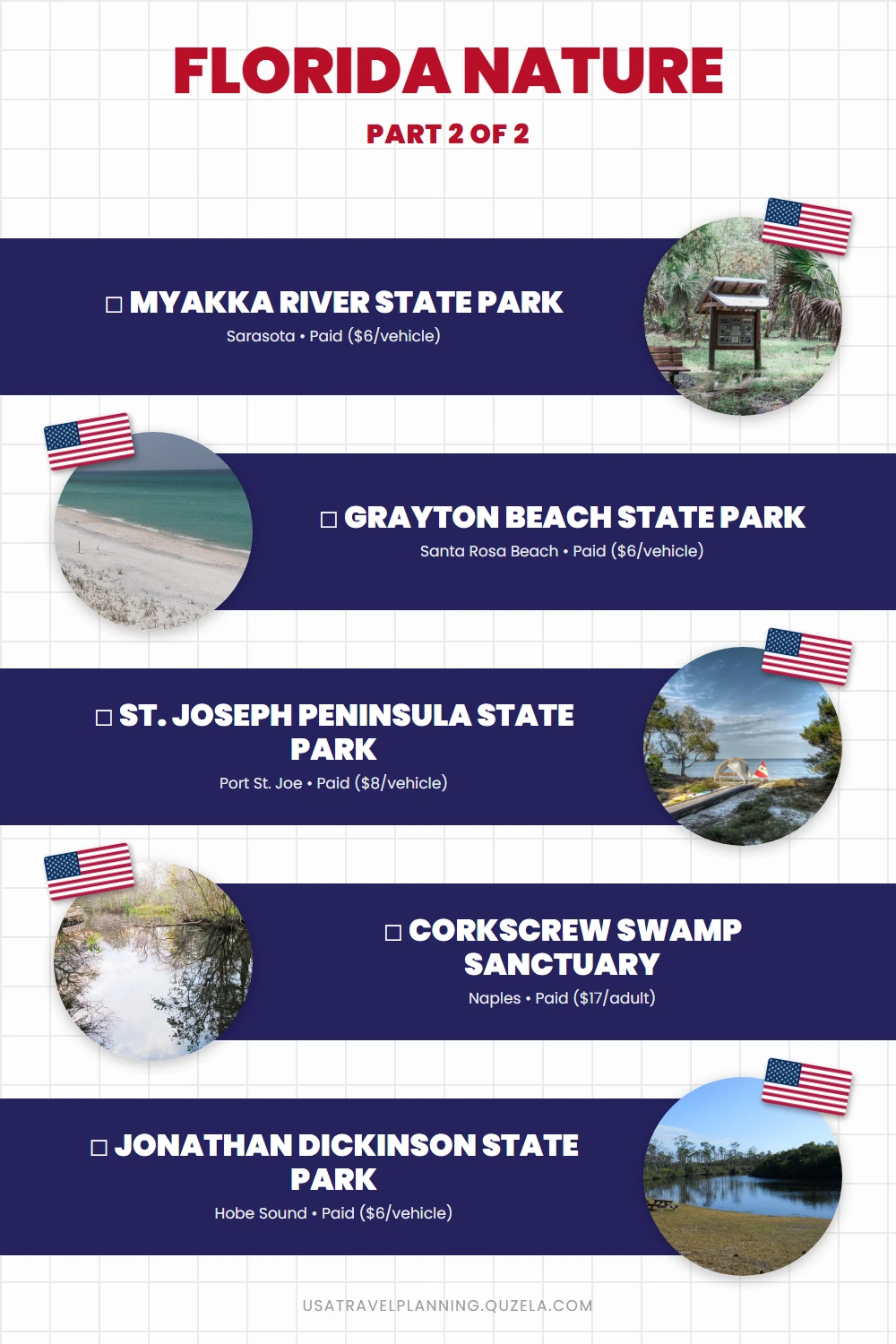
Florida's coastal and inland parks cover alligator prairie, old-growth cypress, wild Gulf dunes, and subtropical river systems. None of these has public transit access — a rental car is required.
Myakka River State Park Must-see
Sarasota County · Sarasota
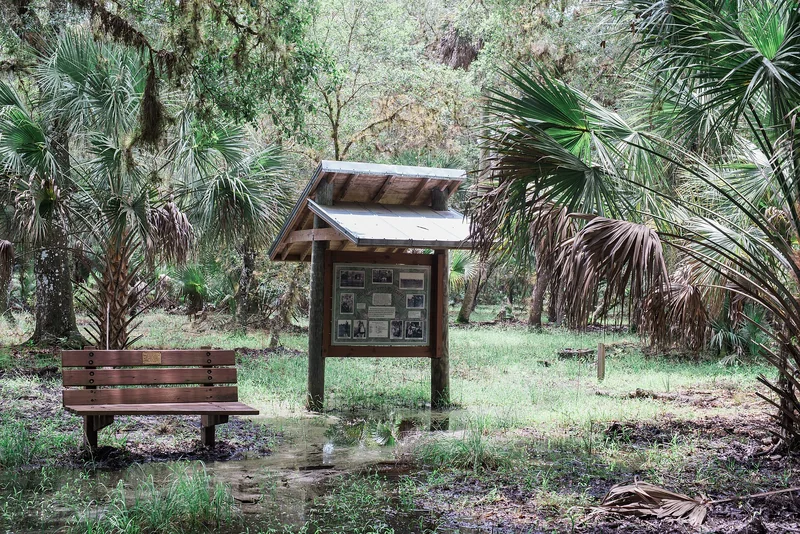
Myakka River State Park covers 37,000 acres in Sarasota County — one of Florida's largest state parks by acreage. Upper Myakka Lake draws hundreds of alligators, especially in the dry season (November–April) when they concentrate around the shrinking water. The park's two airboats are the largest in Florida and run 1-hour tours ($14/adult) when the lake level permits. 39 miles of trails cross pine flatwoods, prairies, and oak hammocks. Cabins inside the park can be reserved through Florida State Parks; primitive camping is available at 3 backcountry sites. A canopy walkway above the floodplain provides a bird's-eye view of the river corridor.
Watch on YouTube · View on Google Maps
Grayton Beach State Park Must-see
Walton County · Santa Rosa Beach
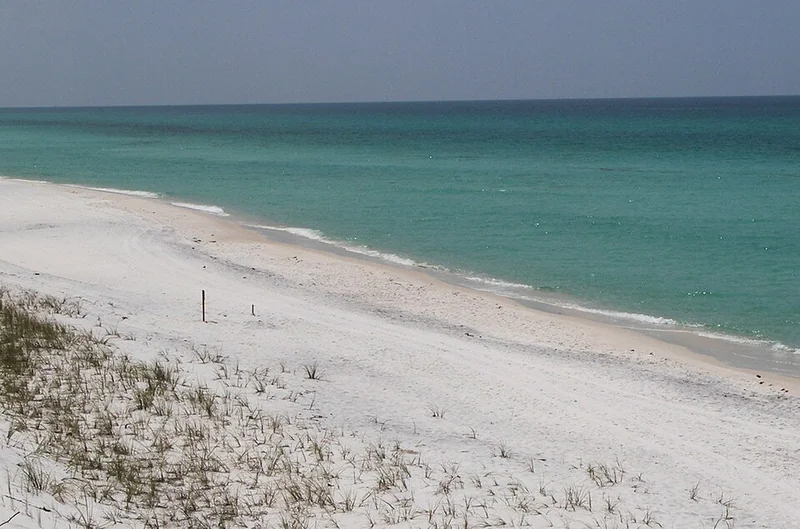
Grayton Beach sits on the 30A corridor between Destin and Panama City Beach — one of the least developed stretches of the Florida Panhandle. Natural dunes reach 25 feet behind the beach, and the water grades from emerald green to deep blue depending on depth. Western Lake, a coastal dune lake found almost nowhere else on Earth, sits directly behind the dunes; canoe rentals are available at the campground. The park's 59 campsites book 11 months in advance for spring and summer — reserve early. Admission is $6/vehicle; the park is on CR-283 off 30A near Grayton Beach village.
Watch on YouTube · View on Google Maps
St. Joseph Peninsula State Park Must-see
Gulf County · Port St. Joe
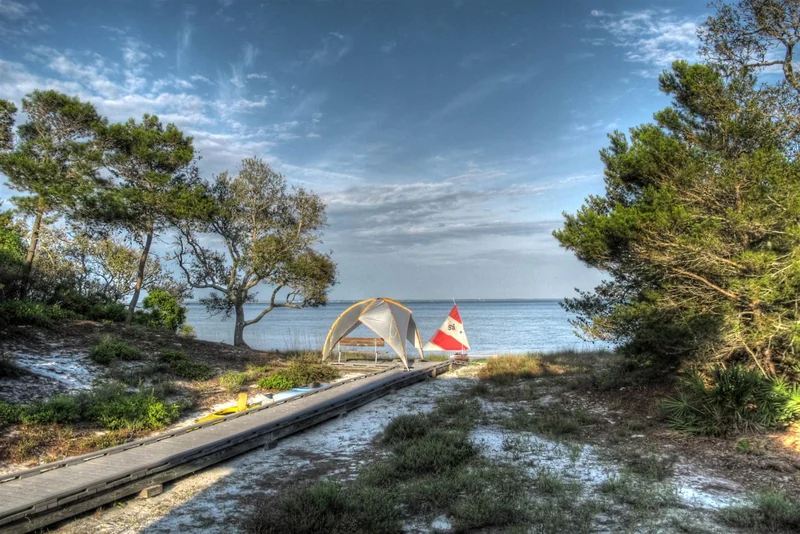
St. Joseph Peninsula is a 17-mile barrier island finger extending south into the Gulf from Port St. Joe — accessible only by driving Cape San Blas Road the full length of the peninsula. The park occupies the southern 9 miles and offers 10 miles of undeveloped Gulf-side beach. Two primitive camping sites are reachable only on foot; full-service beachfront campsites require reservations 11 months in advance. The peninsula consistently ranks among Florida's best dark-sky locations — no commercial development for miles in either direction makes it viable for stargazing year-round. Port St. Joe is 105 miles east of Pensacola on US-98.
Watch on YouTube · View on Google Maps
Corkscrew Swamp Sanctuary Must-see
Collier County · Naples
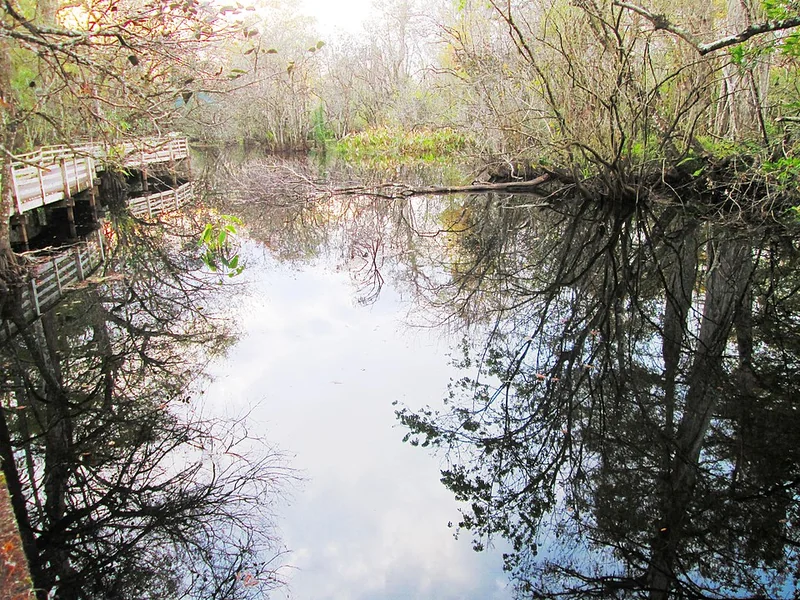
Corkscrew Swamp Sanctuary protects the largest old-growth bald cypress forest remaining in North America — trees estimated at 500+ years old rise 130 feet above a 2.25-mile boardwalk maintained by the National Audubon Society. January through March is peak season for wood stork nesting; the sanctuary holds the largest wading bird colony in the eastern US during these months. The boardwalk crosses shallow wetlands, pine flatwoods, and the cypress dome in a 2-hour self-guided loop. Admission is $17 for adults; open year-round from dawn to 5:30 p.m. The sanctuary is on Immokalee Road 15 miles northeast of Naples.
Watch on YouTube · View on Google Maps
Jonathan Dickinson State Park Must-see
Martin County · Hobe Sound
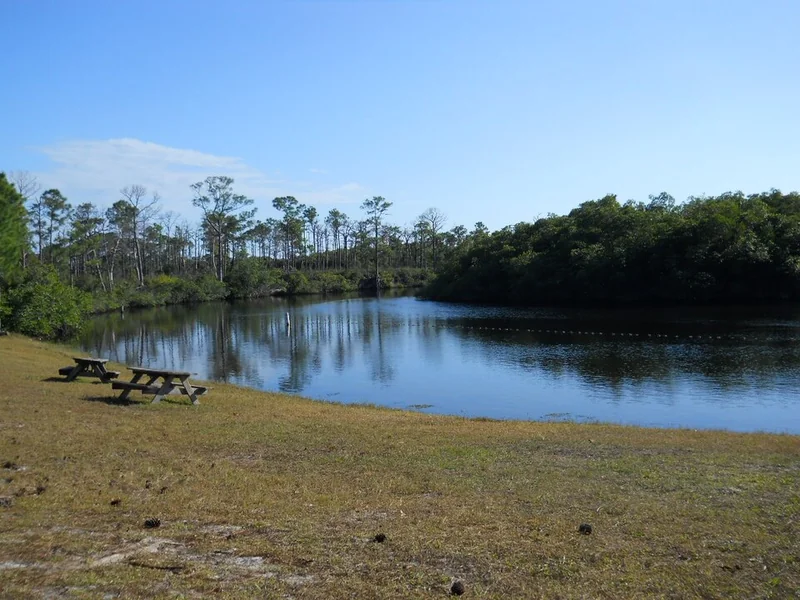
Jonathan Dickinson covers 11,500 acres on Florida's Treasure Coast between Stuart and Palm Beach Gardens, including the Loxahatchee River — one of Florida's two nationally designated Wild and Scenic Rivers. Manatee-watching boat tours run twice daily from the park's marina year-round ($32/adult). 9 miles of the Florida Trail pass through the park; kayak rentals from the marina launch into a river corridor with no visible development from the water. The park is 15 miles north of Stuart on US-1 and serves as a southern staging point for the Florida National Scenic Trail.
Watch on YouTube · View on Google Maps
Planning Notes
Plan your visit: All of Florida's springs and state parks require a car — no public transit reaches them. For the Sarasota area, Myakka River State Park is 17 miles from downtown; see our Sarasota guide for lodging. Ichetucknee Springs is 60 miles southwest of Jacksonville and 85 miles northwest of Gainesville. Three Sisters Springs in Crystal River is 80 miles north of Tampa. Wakulla Springs is 15 miles south of Tallahassee. Blue Spring is 30 miles north of Orlando off I-4. St. Joseph Peninsula, Grayton Beach, Corkscrew Swamp, and Jonathan Dickinson are best reached as overnight or two-night stays — none have a large hub city within 30 minutes.